
Fusarium rot caused by Fusarium keratoplasticum
Fusarium keratoplasticum
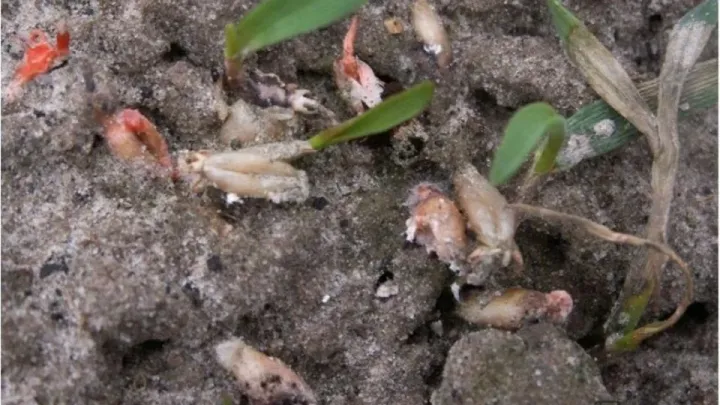
Description
Symptoms
The first signs of infection usually appear as darkening of the crown and the lower parts of the stem. The affected tissues turn brown or black, indicating systemic damage to the vascular system.
Under conditions of high humidity, a white, pink, or yellowish fungal layer may appear on the affected surface. This represents sporulation, which helps the fungus spread to neighboring plants.
Plants exhibit wilting, chlorosis, and stunted growth. As the root system begins to decay, the plant loses its ability to uptake water and nutrients, eventually leading to death.
Internal examination of the roots and stems shows vascular browning. This necrotic tissue is a clear indicator that the fungal infection has reached the systemic circulation of the plant.
- Darkening of the root crown.
- Wilting and yellowing of foliage.
- Fungal sporulation layers on stems.
- Necrosis of vascular bundles.
- Root system decay and loss of vigor.
Pathogen
The causal agent of this disease is the microscopic fungus Fusarium keratoplasticum, which belongs to the Fusarium solani species complex. This pathogen is known for its wide adaptability to various substrates.
The fungus is characterized by rapid mycelial growth and intensive conidial production. It secretes enzymes that break down plant cell walls, allowing the pathogen to penetrate deep into the plant tissues.
F. keratoplasticum survives in the soil through thick-walled chlamydospores, which can remain dormant for years. It is also transmitted via infected seeds and contaminated plant debris.
Unlike highly specialized fungi, this pathogen often acts as an opportunist. It primarily targets plants that are already stressed or suffering from minor injuries, leading to colonization.
The biological nature of this fungus allows it to thrive in diverse ecological niches. Its resilience makes it difficult to eradicate completely once it has established itself in the field.
Conditions for development
High temperatures, typically ranging from 25 to 30 degrees Celsius, significantly accelerate the growth and infection rate of Fusarium keratoplasticum.
Excessive soil moisture is the primary driver of disease development. Waterlogged conditions or poor soil drainage create an environment where the fungus thrives and easily infects roots.
Failure to practice crop rotation contributes to the accumulation of high fungal populations in the soil. Growing susceptible crops consecutively encourages the buildup of infection.
Mechanical damage caused by pests or cultivation tools provides easy entry points for the fungus. Any physical breach of the root or stem allows the pathogen to colonize the plant quickly.
Nutrient imbalances or physiological stress weaken the plant's defense mechanisms. A healthy plant with balanced nutrition is better equipped to resist initial colonization attempts by the fungus.
Why it matters
The primary harm caused by this disease is severe crop loss, as infected plants often fail to reach maturity or produce viable fruit. This impacts overall field productivity significantly.
Infected harvest products suffer from reduced quality and marketability. They tend to rot rapidly during storage and transport due to the ongoing fungal activity within the tissues.
The pathogen can produce mycotoxins that are harmful to human and animal health. Such contaminated produce is often unsafe for consumption or use in animal feed, causing economic losses.
The disease tends to spread quickly across fields, especially during favorable environmental conditions. Localized patches can soon expand to jeopardize entire crop production zones.
Farmers face increased costs for chemical treatments and the need for expensive soil management strategies. Furthermore, the loss of seed viability represents a long-term financial burden.
Protection
Implementing a robust crop rotation strategy is the most effective way to manage the disease. Rotating with non-host crops helps break the infection cycle in the field.
Using certified, disease-free seed material is essential. Treating seeds with effective fungicides before planting provides a critical defense layer against early-stage infections.
Managing irrigation effectively is vital to prevent soil waterlogging. Improved drainage and well-timed watering help keep the root zone conditions unfavorable for fungal growth.
The application of biological control agents, particularly those based on Trichoderma species, has shown promise in suppressing the pathogen's growth in the soil.
Sanitation practices such as removing and burning infected plant debris are necessary to minimize inoculum levels. Regularly cleaning tools and machinery prevents the mechanical spread of spores.
Discussion
No discussions yet — be the first.