
Fusarium rot of begonia
Fusarium foetens
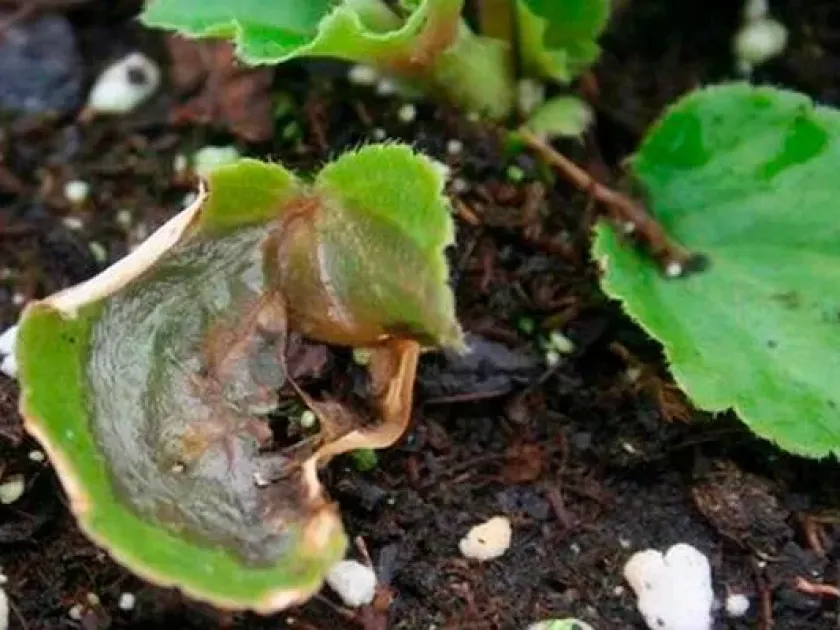
Description
Symptoms
Initial symptoms often appear as localized chlorosis on the leaves, followed by a sudden loss of turgor. The plant may appear healthy in the morning but show significant wilting by the afternoon.
As the disease progresses, the base of the stem becomes discolored, turning brown or soft due to rotting. The vascular tissues inside the stem show characteristic browning or reddening upon cross-section.
Root system development is severely hampered, with roots appearing decayed or necrotic. The plant ceases to respond to irrigation, indicating that the vascular system is no longer functional.
Under high humidity, a fungal growth may manifest on the affected stems. This growth usually appears as white or pinkish mold, representing the sporulation phase of the fungus.
- Wilting of leaves despite moist soil.
- Yellowing of lower foliage.
- Discoloration of the stem base.
- Vascular browning inside the stem.
- Root necrosis and decay.
Pathogen
The causative agent of this disease is the soil-borne fungus Fusarium foetens. This pathogen is highly specialized and poses a significant threat to greenhouse-grown begonias.
The fungus produces durable chlamydospores that allow it to persist in the growing medium for extended periods. These spores are resistant to standard cleaning agents, making management difficult.
Once introduced, the mycelium invades the plant's vascular system, causing systemic infection. This disruption of xylem and phloem transport effectively cuts off water and nutrient supply to the upper parts of the plant.
The pathogen thrives in warm, humid greenhouse conditions. Its ability to spread via contaminated water, tools, or infected plant debris makes it a major concern for commercial growers.
Biological research indicates that Fusarium foetens is specifically pathogenic to begonia varieties, leading to rapid wilting and tissue degradation once the threshold of infection is reached.
Conditions for development
High temperatures, ideally between 20°C and 25°C, are optimal for the rapid growth and dissemination of Fusarium foetens within a greenhouse environment.
Excessive moisture and poor drainage in the potting mix create an anaerobic environment, which drastically increases the susceptibility of begonia plants to fungal infection.
Poor ventilation and high plant density facilitate the spread of spores through air currents and water splashes during irrigation, leading to rapid outbreaks across entire greenhouse benches.
Plants subjected to physiological stress—such as improper light levels or inadequate fertilization—show a weakened immune response, making them easier targets for the pathogen.
Contaminated tools and equipment are primary vectors for transmission. If a single infected plant is handled without sanitizing tools, the entire batch can be exposed to the pathogen.
Why it matters
Fusarium rot is devastating because it leads to total plant loss once symptoms appear. The systemic nature of the infection makes recovery of the infected begonia virtually impossible.
The disease causes significant economic loss for commercial nurseries, as infected crops must be destroyed to prevent further spread of the pathogen within the facility.
Long-term consequences include the persistent contamination of the growing area. Without complete sterilization of benches and floor surfaces, subsequent crops remain at high risk of infection.
The loss of marketability is instantaneous; even mildly symptomatic plants cannot be sold, resulting in wasted production resources and reduced profit margins for growers.
The pathogen's resilience ensures that it remains an ongoing threat, requiring constant vigilance and strict adherence to sanitary protocols to maintain a healthy growing environment.
Protection
Prevention is the most effective approach. Use only certified, pathogen-free growing media and clean planting stock to ensure a healthy start for every begonia batch.
Maintain optimal sanitary conditions by disinfecting tools, pots, and benches between uses. This reduces the risk of mechanical transfer of spores within the greenhouse.
Optimize irrigation and drainage to keep the root zone well-oxygenated. Avoiding "wet feet" is critical to preventing the primary point of entry for the fungus.
If an infected plant is identified, remove it immediately with the surrounding soil. Ensure it is disposed of securely to prevent spore dispersal to healthy plants.
Integrated pest management, including the application of beneficial microbes like Trichoderma species, can help create a suppressive environment in the soil against pathogenic fungi.
Discussion
No discussions yet — be the first.