
Fusarium root rot
Fusarium brachygibbosum
Description
Symptoms
Symptoms often appear as early as the germination phase, where seeds fail to sprout or young seedlings die shortly after emergence, a condition known as pre-emergence or post-emergence damping-off.
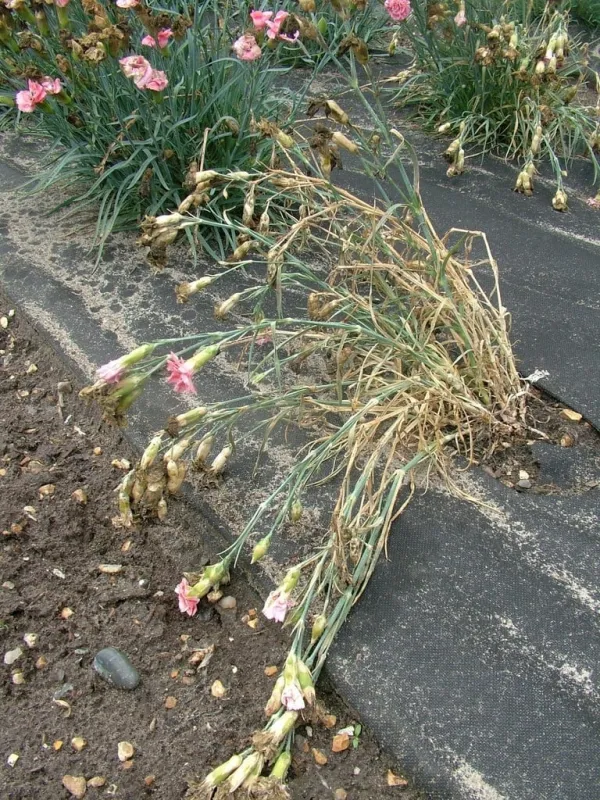
In older plants, the characteristic sign is the browning or darkening of the root crown and the lower part of the stem. The affected tissues become soft, discolored, and may show fungal growth under high humidity conditions.
Leaves on infected plants frequently show signs of yellowing (chlorosis), followed by necrosis starting from the bottom of the plant. This loss of foliage leads to stunted growth and, in severe cases, the collapse of the entire plant.
Root systems of affected crops show significant decay, with secondary roots dying off and the primary root system becoming brittle and dark. The internal vascular tissues often reveal a distinct brown discoloration when the stem is cut.
Grain filling is significantly impaired in surviving plants. Heads may appear bleached or underdeveloped, and the overall plant vigor is reduced, leading to poor grain quality and significant yield loss.
Pathogen
The disease is caused by the soil-borne phytopathogenic fungus Fusarium brachygibbosum. This pathogen belongs to the large genus of Fusarium, which is known for its high adaptability and ability to infect various host plants.
The fungus survives in the soil by forming chlamydospores, which are highly resistant to adverse environmental conditions such as drought or extreme temperatures. It can also persist as mycelium in crop residues left in the field.
Infection primarily occurs through the root system, where the fungus penetrates the plant tissues. It exploits natural openings in the root surface or injuries caused by pests, nematodes, or mechanical damage.
Once inside, Fusarium brachygibbosum colonizes the vascular system and produces toxic metabolites. These toxins disrupt the transport of water and nutrients, eventually causing the plant to weaken and wither.
The pathogen is highly aggressive during the seedling stage. It can spread through the soil or be carried by contaminated seed, making it a persistent threat in various agricultural landscapes.
Conditions for development
The development of Fusarium brachygibbosum is favored by high soil moisture levels, especially during prolonged rainy periods in the spring. Optimal temperatures for active mycelial growth typically range between +20°C and +25°C.
Temperature fluctuations and cold stress after planting can delay seed germination, creating a window of opportunity for the pathogen to attack the vulnerable seedlings more effectively.
Improper crop rotation is a major driver of the disease. Planting susceptible crops repeatedly in the same field leads to an accumulation of fungal spores in the soil, raising the infection pressure significantly.
Poor soil structure, including compaction and lack of proper drainage, creates stagnant conditions that are ideal for the fungal spread. Surface-level crop residues also act as a primary reservoir for the fungus.
The use of infected or damaged seed stocks is another key factor. If the seed coat is compromised, the risk of early colonization by the pathogen increases dramatically during the germination process.
Why it matters
The primary impact of Fusarium root rot is a severe reduction in plant density due to the loss of seedlings. This often forces farmers to re-sow the affected areas, leading to significant economic loss.
Plants that survive the initial infection exhibit reduced vigor and yield potential. The vascular damage limits the plant's ability to cope with environmental stresses, such as drought or heat, during the growing season.
Harvested grain from infected fields is at high risk of mycotoxin contamination, which significantly degrades the crop's market value. Such grain may be rejected by processors for food or feed use.
Compromised root systems leave plants more susceptible to secondary soil-borne infections, creating a cascade of health issues for the crop and reducing the overall uniformity of the field.
The persistent nature of the pathogen in the soil creates long-term challenges, making it difficult to maintain profitable yields without intensive chemical and agronomical interventions.
Protection
Strategic crop rotation is the cornerstone of managing this disease. By avoiding the cultivation of susceptible hosts in consecutive years, the pathogen's life cycle can be disrupted and its population reduced.
Seed treatment with high-quality systemic fungicides is essential to provide a protective layer during the critical early stages of germination. This significantly reduces the rate of primary infection.
Improved agronomical practices, such as deep tillage to bury crop residues, help to accelerate the decomposition process and reduce the availability of the pathogen’s substrate for wintering.
Balanced plant nutrition, focusing on adequate phosphorus and potassium, helps strengthen the plant's natural defenses. Healthy, well-nourished plants are better able to tolerate and resist infections.
Monitoring fields during the vegetative growth stage allows for the early detection of disease hotspots. Applying targeted foliar fungicides, when necessary, can help mitigate further spread and protect the yield potential.
Discussion
No discussions yet — be the first.