
Fusarium rot
Fusarium anguioides
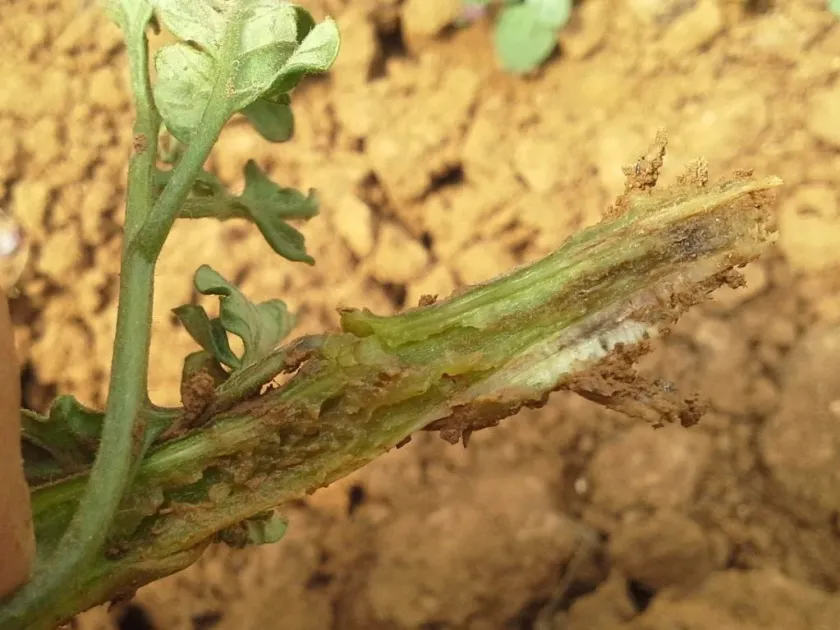
Description
Symptoms
The primary symptom of Fusarium rot is the yellowing and progressive wilting of leaves, typically starting from the bottom of the plant. Inspection of the root system often reveals dark necrotic lesions that expand, eventually covering the entire root and causing decay.
Under high humidity, a characteristic mycelial growth—white, pink, or yellowish in color—frequently appears on the infected plant tissues. In cross-sections of the stem, the vascular system shows brown or reddish-brown discoloration, indicating blockages caused by fungal mycelium and toxins.
The disease leads to stunted growth, deformation, and significant weakening of the plant. The root collar becomes soft and brown, which often leads to lodging, even under minimal physical stress or wind exposure.
In the final stages, the entire root system dies, cutting off the plant's nutrient and water uptake. In cereal crops, Fusarium rot can affect the head (spike), leading to empty kernels or shriveled, discolored grain.
Vegetable crops affected by the fungus often show watery spots on the fruit, which rapidly expand, turning the interior into a mushy, rotting mass with a distinct moldy odor.
Pathogen
The disease is caused by the fungus Fusarium anguioides, a member of the imperfect fungi group (hyphomycetes). The pathogen can persist in the soil for long periods in the form of chlamydospores, which are highly resistant to adverse environmental conditions.
Fungal mycelium enters the plant through root hairs, mechanical wounds, or natural openings. Once inside, it spreads through the xylem, secreting toxic metabolites (fusariotoxins) that poison the host plant's tissues.
The life cycle involves the production of conidia, which are disseminated by raindrops, wind, contaminated soil, or agricultural equipment. This ensures rapid spread across the field during the growing season.
The fungus exhibits high plasticity, allowing it to survive as both a parasite on living tissues and a saprotroph on dead plant debris. This adaptability makes it a persistent threat in agricultural ecosystems.
Due to its high virulence across a broad range of plant species, Fusarium anguioides requires strict adherence to phytosanitary protocols to prevent the build-up of the soil inoculum.
Conditions for development
Fusarium rot development is most intense when soil moisture levels exceed 70-80% of field capacity. Prolonged rainfall and waterlogging are the primary triggers for mass infection in the field.
The optimal temperature range for mycelial growth is between +20 and +25 degrees Celsius. Sharp temperature fluctuations can stress plants and weaken their immune response, making them more susceptible to fungal invasion.
Soil structure and pH levels are critical factors; heavy, compacted soils with poor aeration significantly increase the risk of infection. Furthermore, acidic soil conditions favor the activity of the fungus while inhibiting beneficial soil microbes.
Nutrient deficiencies, particularly in potassium and phosphorus, make plants more vulnerable. Conversely, excessive nitrogen application can lead to lush but weak growth, which provides an ideal environment for the pathogen to thrive.
Poor agricultural practices, such as overcrowding of crops and failure to manage weed reservoirs, create a microclimate that promotes the spread and survival of fungal spores.
Why it matters
Fusarium rot causes significant economic losses by reducing plant density and yields. The death of root systems directly impacts the final volume of harvest per hectare.
Beyond quantity, the disease severely degrades the quality of produce. Grain infected with Fusarium often contains mycotoxins, rendering it toxic and unsuitable for human consumption or livestock feed.
Infected fruits and vegetables lose their shelf life, rotting quickly during storage and transport. This leads to large losses of marketable inventory, even under controlled conditions.
The long-term persistence of the pathogen in the soil restricts crop rotation choices. Farmers may be forced to abandon the cultivation of susceptible species in infected fields for several years.
The hidden nature of the infection in early stages makes early detection difficult, often resulting in delayed intervention and ineffective fungicide treatment once the damage is already widespread.
Protection
The foundation of effective control is the use of healthy, treated seeds. Seed dressing with systemic fungicides kills the pathogen on the surface and provides protection for germinating seedlings.
Crop rotation is essential, with a minimum 4-5 year gap before returning a susceptible crop to the same field. Using green manure crops can also help improve soil health and suppress fungal inoculum.
Deep autumn plowing ensures the thorough burial of infected plant debris, which acts as the main reservoir for the fungus. Liming acidic soils can also help create conditions that are less favorable for Fusarium growth.
During the growing season, if symptoms are detected, fungicides from the benzimidazole, triazole, or strobilurin groups can be applied. The choice of chemical depends on the specific crop and the severity of the infection.
Implementing proper drainage systems to prevent waterlogging and the diligent removal of diseased plants significantly reduce the risk of epidemic outbreaks.
Discussion
No discussions yet — be the first.