
Fistulina hepatica
Fistulina
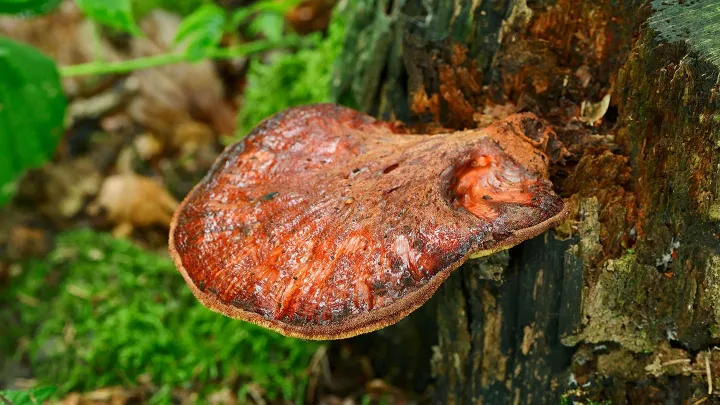
Description
Symptoms
The most distinctive visual indicator of infection is the presence of the beefsteak fungus fruiting bodies, which look like pieces of raw meat emerging from the bark surface.
Wood tissue affected by the fungus displays typical brown rot symptoms, where the internal timber loses its structural strength and takes on a dark brown, crumbly appearance.
Early stages of infection are often invisible from the exterior, but as the decay progresses, symptoms such as thinning foliage and dieback of canopy branches may occur.
Cracks, lesions, and bark discoloration are frequently found in areas near the fungal colonization zone, indicating structural compromise of the tree stem.
- Appearance of reddish-brown, gelatinous fruiting bodies.
- Dark, brownish coloration of the internal wood.
- Increased fragility of the trunk and branches.
- Dieback of twigs and canopy thinning.
- Presence of decayed areas at the site of mechanical wounds.
Pathogen
Fistulina hepatica, commonly known as the beefsteak fungus, is a basidiomycete that acts as a facultative parasite on deciduous trees. It is primarily known as a causal agent of brown rot, which significantly impacts the durability of timber.
The fungus infiltrates trees through wounds, including pruning cuts, frost cracks, or mechanical damage to the bark. Once inside, it colonizes the heartwood, secreting enzymes that gradually degrade lignin and cellulose.
Unlike aggressive pathogens, Fistulina hepatica develops slowly. It can coexist with the host for years, silently weakening the internal wood structure without causing immediate tree death.
The reproductive phase is marked by the production of fleshy, liver-colored fruit bodies that emerge from the base of the trunk or from large wounds, typically during late summer and autumn.
Its biological survival is highly dependent on humidity, as the spores require wet surfaces and optimal temperatures to germinate successfully and establish a new colony within the wood.
Conditions for development
The fungus thrives in moist environments. High humidity levels and frequent rainfall are key factors that facilitate the dispersal and germination of fungal spores on tree surfaces.
Trees with pre-existing injuries are significantly more susceptible to colonization. Wounds act as an open door for spores to reach the vulnerable heartwood tissues.
Environmental stress, including drought, poor soil nutrition, or inadequate drainage, reduces the tree's natural defense mechanisms, making it an easy target for Fistulina hepatica.
The presence of decomposing logs, dead stumps, and heavy leaf litter in the immediate vicinity provides a constant source of inoculum for potential infection of healthy trees.
Mild to warm temperatures, typically ranging from 15°C to 25°C, are ideal for the rapid development of the mycelium throughout the host wood during the active growing season.
Why it matters
The main threat posed by this fungus is the destruction of the tree's structural integrity. Severe brown rot makes trees prone to windthrow, posing safety risks in gardens and parks.
Timber affected by the fungus loses its economic value and structural suitability, making it useless for carpentry or construction purposes due to the loss of tensile strength.
The disease causes chronic physiological stress, which manifests as reduced growth rates and lower yield in the case of fruit-bearing trees.
Over time, the infection usually leads to the death of the host, as the fungal mycelium exhausts the wood tissues and compromises the tree's ability to conduct water and nutrients.
Financial losses arise from the costs of removing hazardous trees, loss of shade, and the potential spread of the pathogen to other valuable specimens in the vicinity.
Protection
Good horticultural practice is the best defense. This includes regular tree inspections, careful pruning to avoid bark damage, and immediate treatment of all wounds with appropriate sealants.
Removing decaying stumps, fallen logs, and severely infected trees is essential to decrease the concentration of spores in the immediate environment of the garden.
Maintaining tree vigor through proper fertilization and irrigation helps the tree's natural immune system resist fungal colonization and promote healthy wound healing.
Early identification of the fruit bodies allows for prompt management actions, such as isolating the infected areas or removing the source of the fungal spread before it reproduces.
While no chemical cure exists for deep heartwood rot, protective fungicides can be applied to fresh cuts after pruning to prevent initial spore penetration and establishment.
Discussion
No discussions yet — be the first.