
Fibularhizoctonia
Fibularhizoctonia
Description
Symptoms
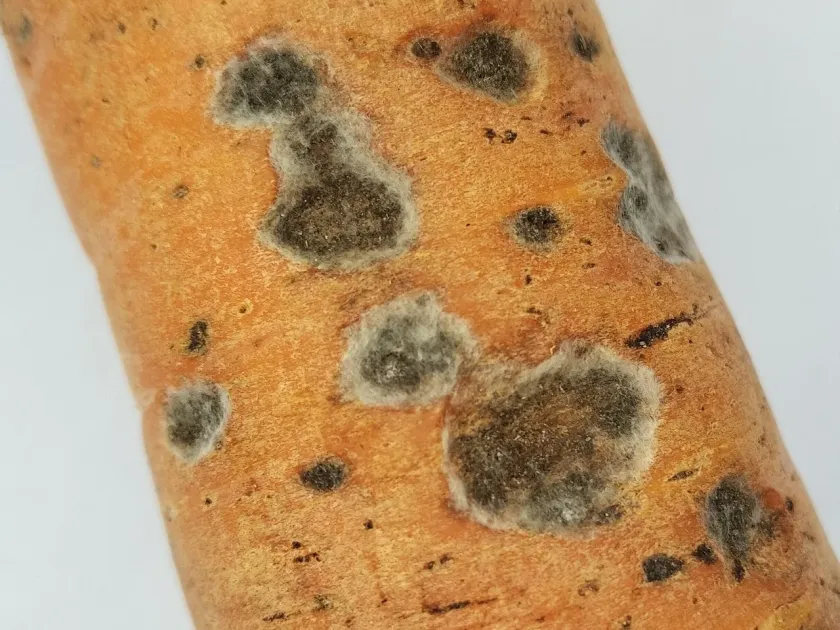
The characteristic signs include necrotic, brown, or black lesions located on the lower stem and roots of infected plants. As the pathogen advances, these lesions can expand and encircle the stem, leading to the collapse of the plant's vascular system.
Symptoms in the upper canopy include stunted growth, leaf chlorosis, and wilting during periods of heat stress. In highly infested areas, patches of stunted or dead plants are frequently observed, indicating the progression of the disease through the soil.
Pathogen
Fibularhizoctonia is a genus of basidiomycetous fungi known for causing root rot and stem decay in a wide range of host plants. The presence of clamp connections on the hyphae distinguishes this genus from other related soil-borne pathogens, making it a distinct entity in plant pathology.
The fungus survives in the soil through vegetative mycelium and sclerotia. It can persist for several seasons in crop debris or as a saprophyte, waiting for a susceptible host and favorable environmental conditions to resume its parasitic activity.
Conditions for development
Favorable conditions for the development of Fibularhizoctonia involve high soil moisture levels and temperatures that facilitate rapid mycelial growth. Compacted or poorly drained soils significantly exacerbate the spread of the disease.
Plant stress, often caused by nutrient deficiency, improper water management, or pesticide damage, makes the plants more vulnerable to infection. Continuous cropping of the same host plants encourages the buildup of pathogen populations in the soil profile.
Why it matters
The primary damage caused by this pathogen is the reduction of seedling emergence and plant stand density. This loss of plant population is critical, as it directly impacts the potential yield and the ability of the crop to reach maturity.
Furthermore, plants that survive the initial infection often show reduced vigor and lower yields. The quality of the harvested produce is also negatively affected, leading to reduced market value and potential storage issues due to poor plant health.
Protection
Effective management requires an integrated approach to break the disease cycle. Cultural practices play a significant role in reducing the pathogen's impact in the field.
- Implementing diverse crop rotation cycles to starve the pathogen.
- Using certified, fungicide-treated seeds to ensure healthy germination.
- Improving soil aeration through proper tillage and drainage systems.
- Applying systemic fungicides as a preventative measure during high-risk growth stages.
- Sanitation efforts to minimize crop residues that harbor the pathogen.
Discussion
No discussions yet — be the first.