
Fayodia bisphaeriga
Fayodia bisphaeriga
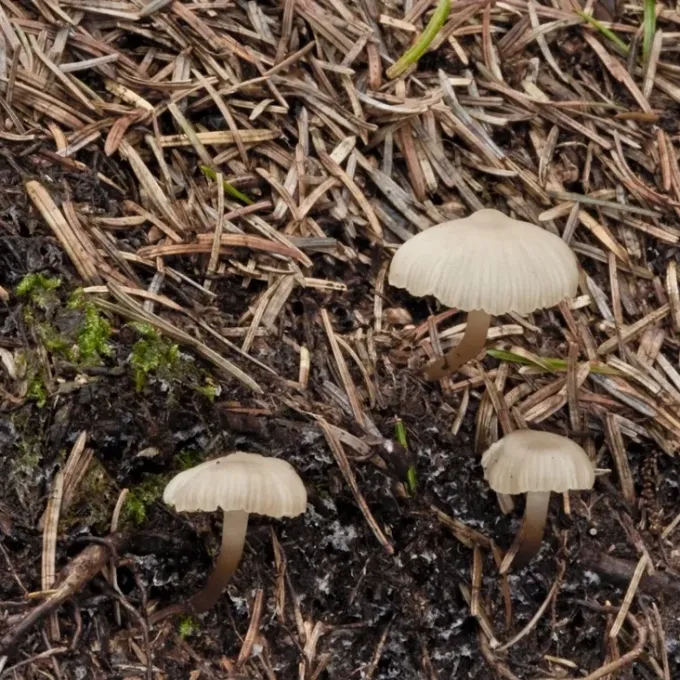
Description
Pathogen
Fayodia bisphaeriga is a species of agaric fungus belonging to the Tricholomataceae family. It is crucial to distinguish this organism from plant pathogens, as it does not infect living plant tissues or cause agricultural diseases.
This fungus functions as a saprotroph, playing a vital role in forest and soil ecosystems by decomposing dead organic matter. It helps break down complex compounds like lignin and cellulose, effectively recycling nutrients back into the soil.
Mycologically, the species is identified by its unique basidia which characteristically bear two spores, a feature that provides the name bisphaeriga. This morphological trait is the primary focus of scientific observation when studying this fungus.
Unlike parasitic fungi that target crops, Fayodia bisphaeriga resides in the soil or leaf litter. It thrives on decomposing organic debris, which is why it is often found in woodland areas or moist environments rich in humus rather than in commercial crop fields.
For agronomists and researchers, recognizing this species as a decomposer rather than a threat is essential. Misidentifying such fungi can lead to unnecessary concerns about soil health or crop security in environments where this species naturally occurs.
Conditions for development
The development of Fayodia bisphaeriga is strictly dependent on moisture levels and the availability of organic material. High humidity and high soil organic content are the most favorable conditions for the formation of its small fruit bodies.
This species prefers temperate climate zones where stable humidity and moderate temperatures support fungal activity. It typically remains dormant or reduces its mycelial growth during periods of drought or intense heat.
Soil chemistry, particularly acidity, plays a role in its distribution. It is often observed in slightly acidic soils that are typical for forest understory environments, where decomposition processes are active throughout the growing season.
Light levels are generally not a limiting factor for this species because it lives predominantly beneath the soil surface or within deep leaf litter. Its survival is more influenced by the competition with other soil microbes for nutrient sources.
Human intervention, such as tillage and intensive land management, typically limits the spread of this species. By disrupting the stable layers of organic matter, agricultural practices reduce the niche availability for this specific soil-dwelling fungus.
Why it matters
There is no evidence to suggest that Fayodia bisphaeriga causes any harm to agricultural or horticultural crops. It is not a phytopathogen, meaning it cannot penetrate, colonize, or damage the roots, stems, or leaves of living plants.
In an agricultural setting, the presence of this fungus is neutral or even potentially beneficial. By contributing to the decomposition of organic waste, it aids in the enrichment of the soil structure and the natural turnover of soil nutrients.
The primary concern regarding this fungus is economic or operational: the risk of farmers misidentifying it as a threat and applying unnecessary chemical treatments. This not only causes financial loss but also negatively impacts the soil microbiome.
It does not produce toxins that would inhibit plant growth, nor does it compete with crops for resources that are not already in the form of dead organic debris. It is a completely non-threatening member of the local biodiversity.
In summary, the species possesses zero harm potential for commercial agriculture. It serves as a natural indicator of stable organic decomposition processes within the soil environment rather than an indicator of disease.
Protection
No control measures are required for Fayodia bisphaeriga. Since it is not a parasite or a pathogen, the application of fungicides is entirely unnecessary and scientifically discouraged, as it may harm beneficial microbial populations.
If the accumulation of fungal growth in soil is deemed undesirable for specific ornamental or sensitive environments, simple cultural practices such as improving drainage and regular soil aeration are sufficient to mitigate its presence.
Effective crop rotation and balanced organic fertilization help maintain a healthy soil environment. A balanced soil ecosystem naturally regulates the population of saprotrophic fungi, keeping them within a stable ecological balance.
If you encounter fungal growth on your field and are unsure of its identity, it is recommended to collect a sample and send it to an agricultural diagnostic lab. Professional identification is the best way to avoid unnecessary interventions.
Ultimately, a sustainable agricultural approach prioritizes protecting the beneficial decomposer community. Treating fungi like Fayodia bisphaeriga with respect ensures that the soil remains productive and ecologically functional for future seasons.
Discussion
No discussions yet — be the first.