
Farysiaceae
Farysiaceae
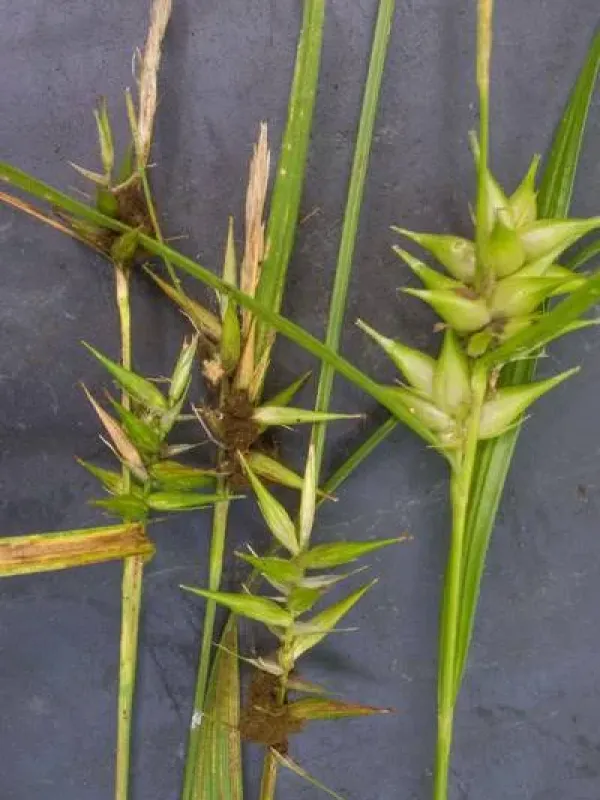
Description
Symptoms
Symptoms of Farysiaceae infection include visible deformities in reproductive organs and leaves. Often, infected structures swell and undergo hypertrophy before eventually rupturing.
Once the fungal maturation is complete, the epidermis of the plant tissue breaks, releasing a characteristic mass of dark, soot-like spores. This is the primary indicator of the presence of the pathogen.
Infected plants usually exhibit stunted growth, chlorosis, and general weakness. The diversion of nutrients to the fungal structures prevents the plant from reaching its full physiological potential.
In severe cases, the entire inflorescence may be replaced by the fungus, rendering the plant completely sterile. Early detection is challenging, as initial symptoms may be limited to slight discolorations.
Visible clusters of spores on leaves or stems are the definitive diagnostic feature. Field monitoring should focus on these visual anomalies during the plant's flowering stages.
Pathogen
Farysiaceae is a family of basidiomycete fungi belonging to the order Ustilaginales (smut fungi). These fungi are obligate parasites that typically target specific plant hosts, particularly within the Cyperaceae family.
The biology of Farysiaceae involves the formation of teliospores, which develop within the host's tissues. The fungus disrupts the plant's metabolism, often leading to the structural transformation of affected plant organs into spore-bearing masses.
Taxonomically, this family is distinguished by the morphology of its basidia and the specific way their spores germinate. Their evolutionary path has led to a high degree of host specialization.
The life cycle of these pathogens is synchronized with the host's growth season. During dormancy, spores persist in the soil or on crop debris, waiting for environmental triggers to initiate infection.
Dissemination occurs passively through wind, water droplets, or mechanical contact. Their ability to survive in various environments makes them persistent threats in both natural and agricultural systems.
Conditions for development
Development of these fungal diseases is strongly correlated with high humidity levels. Excessive moisture during the active growth phase provides the necessary conditions for spore germination and mycelial penetration.
Temperature plays a significant role in the infection rate. While specific species prefer moderate climates, many are resilient and can adapt to varying temperature ranges found in their local habitats.
Liquid water on plant surfaces is a critical factor for the initiation of infection. Consequently, areas with poor drainage and high morning dew are more susceptible to outbreaks.
Dense planting patterns promote the rapid spread of spores between plants. Reduced airflow and higher relative humidity within the canopy facilitate the infection process.
Soil quality and nutrient balance can affect a plant's innate resistance. Stress induced by nutritional deficiencies often exacerbates the symptoms and impact of the fungal invasion.
Why it matters
The primary harm caused by Farysiaceae is the direct destruction of seeds and reproductive tissue, leading to significant yield losses. In commercial farming, this represents a direct economic blow.
Infection weakens the overall health of the plant, predisposing it to secondary stressors such as pests or opportunistic bacterial infections. This leads to the long-term degradation of plant populations.
The accumulation of spores in the field creates a persistent inoculum reservoir. This makes future cultivation of susceptible species highly risky without intensive sanitation measures.
In forage crops, Farysiaceae presence can impact feed quality. Some infected materials may be unpalatable or contain compounds that are problematic for livestock, requiring careful quality control.
Managing the disease requires ongoing labor and financial investment in monitoring, quarantine, and chemical treatments, which impacts the overall profitability of the agricultural enterprise.
Protection
Effective crop rotation is the cornerstone of disease management. By avoiding the cultivation of susceptible hosts on the same plot for several years, the life cycle of the pathogen is broken.
Using certified, disease-free seed is essential for preventing the introduction of Farysiaceae into new areas. Chemical seed treatments are standard practice for providing early-stage protection.
Good agricultural practices, including the eradication of wild host species (like certain sedges), are vital for reducing the environmental pressure of the pathogen. Maintaining healthy fields through proper irrigation management is also recommended.
In cases of confirmed infection, physical removal and destruction of affected plants via burning is necessary to reduce the spore load for the following season.
Systemic fungicides are used as a control measure in agricultural settings. Preventive applications, based on phytosanitary alerts and growth stages, remain the most effective strategy for preserving harvest quality.
Discussion
No discussions yet — be the first.