
Farnoldia
Farnoldia
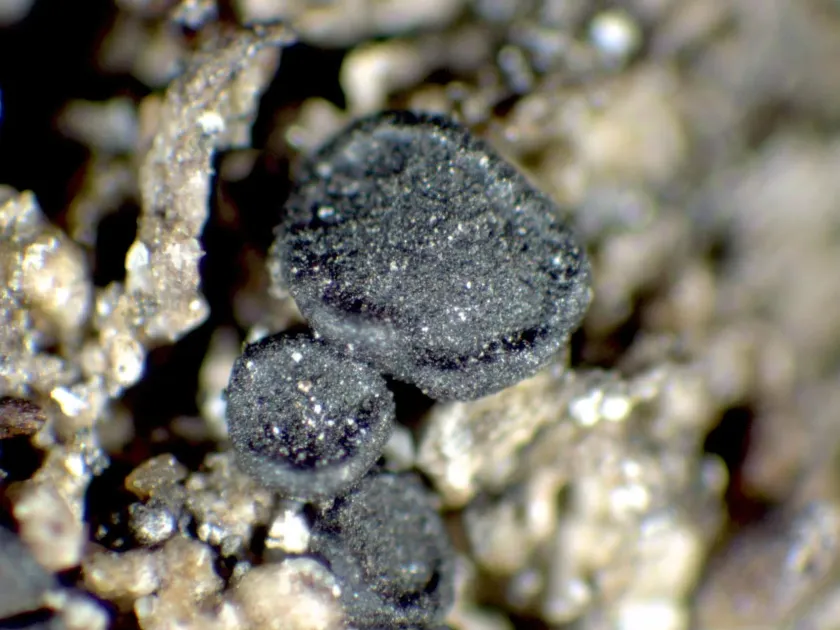
Description
Symptoms
The initial signs of Farnoldia include general wilting of the plant, which often begins with the lower foliage turning chlorotic and progressively losing turgor.
Stem tissues frequently exhibit dark-colored lesions or longitudinal streaks. In severe cases, the epidermis may crack, indicating internal structural damage caused by the fungal mycelium.
Cross-sections of the main stem reveal characteristic browning of the vascular ring, which is a definitive indicator of the systemic nature of the infection.
Plants affected by this pathogen show stunted growth and a general decline in vigor, eventually failing to reach physiological maturity or produce quality yields.
- wilting and drooping of foliage
- chlorotic and necrotic leaf spots
- stem lesions and cracking
- vascular browning in cross-sections
- stunted plant development
Pathogen
Farnoldia is a specific fungal plant disease caused by pathogenic micromycetes. The pathogen primarily targets the vascular system of the host plant, leading to significant physiological disruptions.
The life cycle of the fungus involves spore production and dispersal, which facilitate the rapid spread of the disease throughout the field during favorable weather conditions.
As a systemic mycosis, the pathogen colonizes the xylem and phloem, effectively obstructing the transport of water and nutrients throughout the plant tissues.
The infection typically persists in the soil and on crop debris, making it a persistent threat in agricultural environments where crop rotation is neglected.
Laboratory diagnosis is essential to differentiate Farnoldia from other vascular wilts, often involving the culture of the fungus from symptomatic plant tissue samples.
Conditions for development
Farnoldia development is highly dependent on soil moisture levels. High humidity and waterlogged soil conditions are primary catalysts for the germination and spread of spores.
Temperature plays a crucial role, with the pathogen thriving in moderate to warm environments, typically between 18 and 25 degrees Celsius, which are common during the growing season.
Poor ventilation within dense plant canopies creates a microclimate that prevents foliage from drying, thereby facilitating secondary infections and rapid fungal proliferation.
Nutrient deficiencies, particularly low potassium levels, reduce the plant's inherent resistance, making it easier for the pathogen to establish a successful infection.
The pathogen is easily disseminated by contaminated water, wind-borne spores, and mechanical operations using unsterilized tools across different areas of the field.
Why it matters
The economic harm caused by Farnoldia is significant due to potential crop failure and the loss of marketable yield in infected fields.
Plants affected by the disease show reduced photosynthetic capacity, which directly results in poor development of fruits, seeds, or storage organs, impacting overall crop quality.
Because the fungus can remain viable in the soil for several years, it significantly limits the agricultural utility of the land for susceptible crop rotations.
Control costs rise sharply as farmers must invest in fungicides, specialized field maintenance, and soil sanitation protocols to mitigate further losses.
Storage potential of the harvested produce is severely compromised, as plants infected with Farnoldia are more prone to secondary bacterial and fungal rot.
Protection
A rigorous crop rotation strategy is the most effective cultural practice, ensuring that susceptible host plants are not returned to the same soil for at least three to four years.
Sanitation is paramount; all crop residues must be collected and removed from the field after harvest to reduce the primary inoculum load for the following season.
Selecting and planting resistant cultivars remains the cornerstone of integrated pest management, significantly reducing the reliance on chemical treatments.
Systemic fungicides may be employed for early-season disease management, provided they are applied according to the labeled rates and safety guidelines to ensure efficacy.
Improved field management, including optimized irrigation scheduling, weed control, and adequate plant spacing, fosters better airflow and reduces the risk of disease outbreaks.
Discussion
No discussions yet — be the first.