
Falciformispora lignatilis
Falciformispora lignatilis
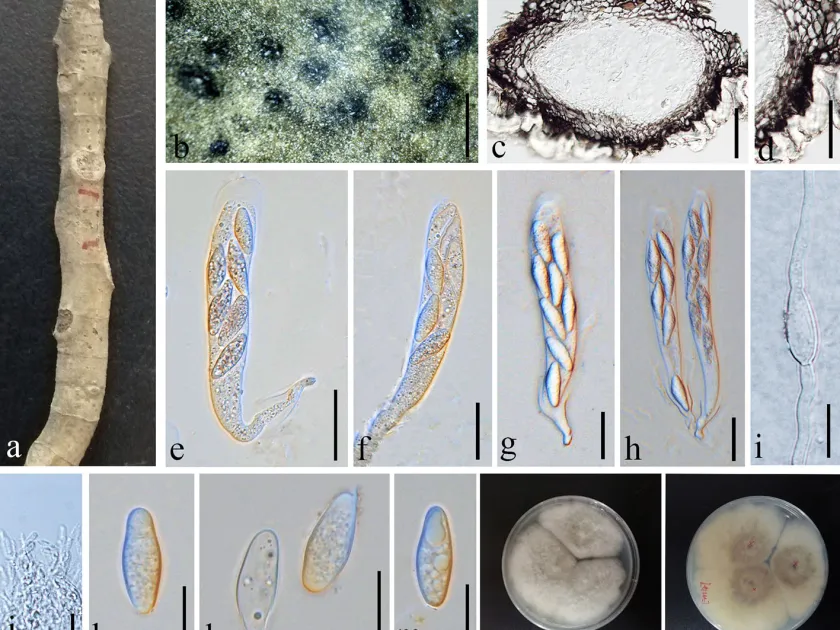
Description
Symptoms
The hallmark of infection is the development of localized discoloration on the bark and underlying wood layers, often appearing as irregular brown or dark spots.
As the infection progresses, the wood texture begins to soften, losing its structural integrity. Deep within the infected area, a visible presence of fungal hyphae may appear.
Small, dark fruiting bodies (ascomata) may emerge through the bark's fissures. These are the reproductive structures responsible for the next cycle of spore dispersal.
Crown symptoms include chlorosis, premature wilting of leaves, and the progressive dieback of branches that are physically connected to the site of infection.
When the bark is removed, the affected sapwood often shows significant decay, characterized by a spongy texture and a potential change in odor compared to healthy wood.
Pathogen
The causal agent is Falciformispora lignatilis, a fungal species belonging to the order Pleosporales. It is specialized in colonizing woody substrates and decaying plant matter.
The fungus is named for its distinctive falciform (sickle-shaped) ascospores. This morphological feature is a primary key for laboratory diagnosis when examining host tissues.
Biologically, it operates as a wood-inhabiting fungus, capable of breaking down complex organic structures such as lignin and cellulose through enzymatic activity.
Its life cycle involves the colonization of dormant or weakened wood tissues. The pathogen survives adverse environmental conditions in the form of robust mycelial structures within the host.
Spore dissemination is primarily mediated by wind and water splash, allowing the fungus to colonize new susceptible hosts during periods of high humidity.
Conditions for development
Falciformispora lignatilis thrives in high-moisture environments. Persistent rainfall, fog, or overhead irrigation creates ideal conditions for spore germination.
Temperature plays a crucial role in development; moderate temperatures typically facilitate the fastest colonization rate of the host's woody tissues.
Mechanical injuries, such as pruning wounds, storm damage, or frost cracks, serve as the primary entry points for the pathogen to bypass the tree's natural defenses.
Poor ventilation, caused by overplanting or lack of thinning, creates a stagnant, humid microclimate that significantly promotes the spread of fungal spores.
Trees undergoing physiological stress due to drought, nutritional deficiencies, or infestation by insects are significantly more susceptible to infection.
Why it matters
The most severe damage caused by this fungus is the loss of mechanical strength in branches, which poses a serious risk of limb failure and property damage.
In silviculture, the infestation results in lower wood quality, making the lumber unsuitable for commercial use due to the internal rot and tissue degradation.
Chronic infections lead to the gradual decline of the host tree. This depletion of resources negatively impacts growth rates and overall longevity of the plant.
The fungus can act as an entry point for other opportunistic pathogens, creating a complex disease scenario that is difficult to manage once established.
In orchards, the presence of the pathogen represents an ongoing risk, necessitating continuous monitoring to prevent cross-contamination between trees.
Protection
Management begins with strict sanitation practices. It is crucial to remove and properly dispose of all dead, diseased, or damaged woody material from the site.
To prevent entry, all necessary cuts during pruning should be clean and treated with appropriate protective wound dressings to seal the exposed wood.
Integrated pest management should include regular health checks, especially after severe weather events that may have caused mechanical stress to the trees.
- Pruning to increase airflow and sunlight penetration within the tree canopy.
- Applying copper-based or systemic fungicides during vulnerable growth phases.
- Maintaining soil health to ensure the tree has sufficient resources to mount a defense.
In cases of severe infestation, complete removal of the affected tree is recommended to eliminate the primary source of infection and protect surrounding vegetation.
Discussion
No discussions yet — be the first.