
Faerberia
Faerberia
Description
Pathogen
Faerberia is a genus of fungi belonging to the Cantharellaceae family, with Faerberia carbonaria being the most prominent species.
This fungus is biologically classified as a carbophilous saprotroph, meaning it specifically thrives on substrates affected by fire, such as charcoal and ash.
Unlike parasitic fungi that attack living tissue, Faerberia functions as a decomposer, playing a crucial role in breaking down organic matter in post-fire environments.
Its mycelium has evolved specific enzymatic mechanisms to utilize components of burnt wood, allowing it to dominate ecological niches following wildfires or controlled burns.
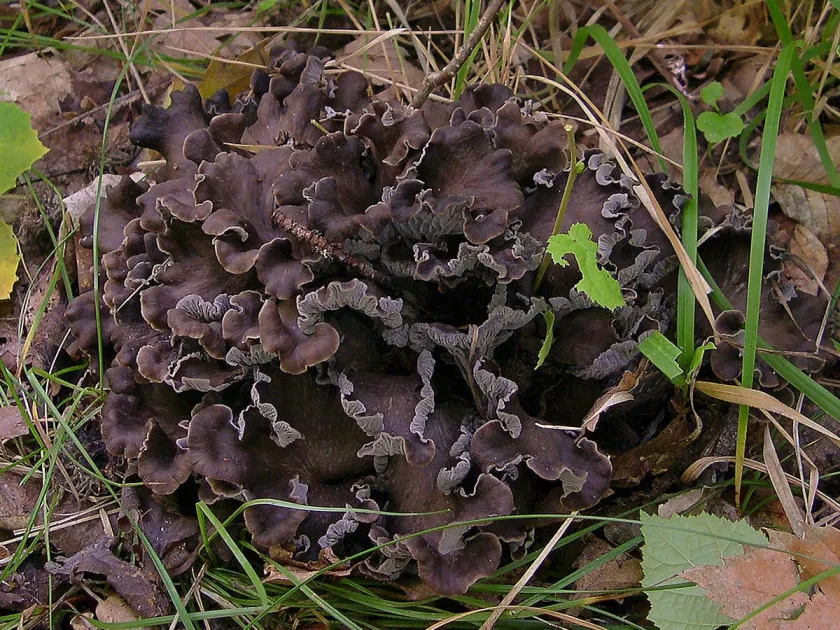
The fruiting bodies are typically funnel-shaped with decurrent, gill-like folds, which are characteristic of this species' morphology.
Conditions for development
The primary prerequisite for the development of Faerberia is the presence of charcoal or burnt soil surfaces in forests or managed garden areas.
Optimal growth conditions include high soil moisture and cool temperatures, making autumn the peak season for the appearance of its fruiting bodies.
The chemical composition of burnt wood provides the essential nutrients required for spore germination and the successful establishment of the fungus in the soil.
Dissemination is achieved through wind-dispersed spores, which can remain dormant in the soil for extended periods until the necessary substrates are available.
The relative lack of microbial competition in recently burnt areas allows the fungus to colonize the available burnt wood substrate rapidly.
Why it matters
From an agronomic perspective, Faerberia is not considered a harmful pathogen to commercial crops or healthy tree plantations.
As it lacks parasitic capabilities, it does not infect living plants, meaning it poses no threat to agricultural productivity or forest health.
The fungus serves primarily as an indicator species that marks the presence of previous burning activities rather than as a biological hazard.
While it is not destructive, its presence may indicate areas where fire has damaged soil structure, which might be detrimental to sensitive plant species.
It has no economic impact on crop yields, as it restricts its activity to dead, carbonized organic matter.
Protection
No chemical control measures or fungicides are required, as the fungus does not threaten the well-being of cultivated vegetation.
The most effective method to prevent its proliferation is to avoid the burning of wood debris and garden waste on planting sites.
Implementing proper waste management techniques, such as composting or mulching, effectively removes the substrate required for the fungus to grow.
If physical removal is desired, clearing the charred wood debris and deep tilling the soil surface will effectively limit the fungal growth.
Encouraging healthy soil microbial activity through the addition of organic fertilizers can help displace the carbon-dependent fungi and improve soil health.
Discussion
No discussions yet — be the first.