
Exophialomycosis
Exophiala pisciphila
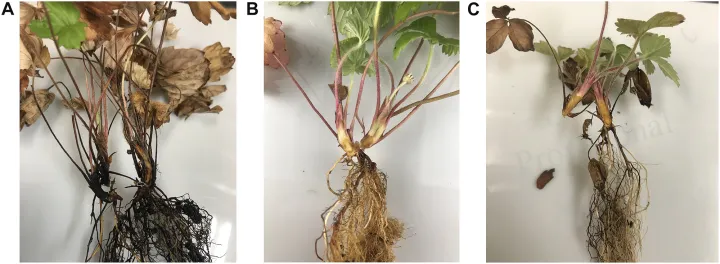
Description
Pathogen
The disease is caused by Exophiala pisciphila, a black yeast-like fungus belonging to the dematiaceous hyphomycetes. This pathogen is characterized by its significant environmental plasticity and the presence of melanin in its cell walls, which provides substantial protection against oxidative stress and UV radiation.
Exophiala pisciphila primarily exists as a soilborne organism, utilizing organic debris as a saprophytic substrate. However, under specific conditions of host stress or high inoculum pressure, it transitions to a parasitic mode, attacking the vascular tissues of various plants.
The fungus produces hyphae that can effectively colonize the xylem and phloem, disrupting the translocation of water and nutrients. This physiological impairment is the primary mechanism through which the pathogen exerts its negative effects on the host plant.
Due to its metabolic versatility, the fungus can survive across a wide range of temperatures. Its ability to form robust structures in the soil allows it to persist even in the absence of a suitable host plant for extended periods of time.
Genetic studies indicate that this fungus is a complex pathogen capable of affecting not just botanical hosts, but also aquatic fauna, highlighting its diverse ecological niche and the challenges associated with its eradication in agricultural environments.
Conditions for development
Moisture is the primary driver of development for Exophiala pisciphila. The disease is most prevalent in poorly drained soils or hydroponic systems where excessive humidity creates a stagnant environment that favors fungal sporulation and colonization.
The fungus thrives within a temperature range of 20 to 28 degrees Celsius, although its thermo-tolerant nature allows it to withstand significant temperature fluctuations. This adaptability facilitates its spread across various climatic zones and greenhouse configurations.
Plant injury serves as a primary portal of entry for the pathogen. Damage caused by nematodes, insects, or improper cultivation practices creates pathways for the fungus to penetrate the root cortex and reach the vascular cylinder.
Dissemination often occurs via contaminated irrigation water or the movement of infected soil particles by farm machinery. In commercial greenhouses, the circulation of water in closed-loop systems represents a high-risk factor for the rapid spread of the disease.
High plant density and limited air circulation contribute to the development of the pathogen. These conditions minimize evaporation from the root zone, ensuring that the microenvironment remains ideal for the sustained survival of the fungal inoculum.
Why it matters
Exophialomycosis causes significant stunting and chlorosis in affected crops, which directly leads to reduced yields. Infected plants often exhibit a lack of vigor and an inability to recover from standard environmental stresses.
The degradation of the root system is a hallmark of this disease, where roots turn dark and necrotic. This destruction of the absorbing surface prevents the plant from maintaining its water balance, ultimately leading to permanent wilting.
Economic losses are often compounded by the need for intensive sanitation and substrate replacement in greenhouse settings. Once established, the pathogen is difficult to eliminate, often requiring multiple cycles of sterilization.
In addition to direct crop loss, the infection by Exophiala pisciphila often predisposes plants to secondary infections. The weakened physiological state of the host makes it susceptible to a wide range of other soilborne pathogens and opportunistic pests.
Marketability of the harvested produce is severely impacted if the disease persists into the reproductive stages of the crop. Overall, the presence of this fungus necessitates a strictly managed integrated pest management (IPM) program.
Protection
- Implement strict sanitation protocols to sanitize tools and irrigation systems regularly.
- Ensure proper soil drainage to avoid waterlogging and minimize fungal proliferation.
- Use certified, disease-free planting material to prevent the introduction of the pathogen.
- Utilize biological control agents that compete with soilborne fungi for space and nutrients.
- Monitor for root pests or mechanical damage that may facilitate the entry of the fungus.
Discussion
No discussions yet — be the first.