
Rhododendron gall
Exobasidium rhododendri
Description
Symptoms
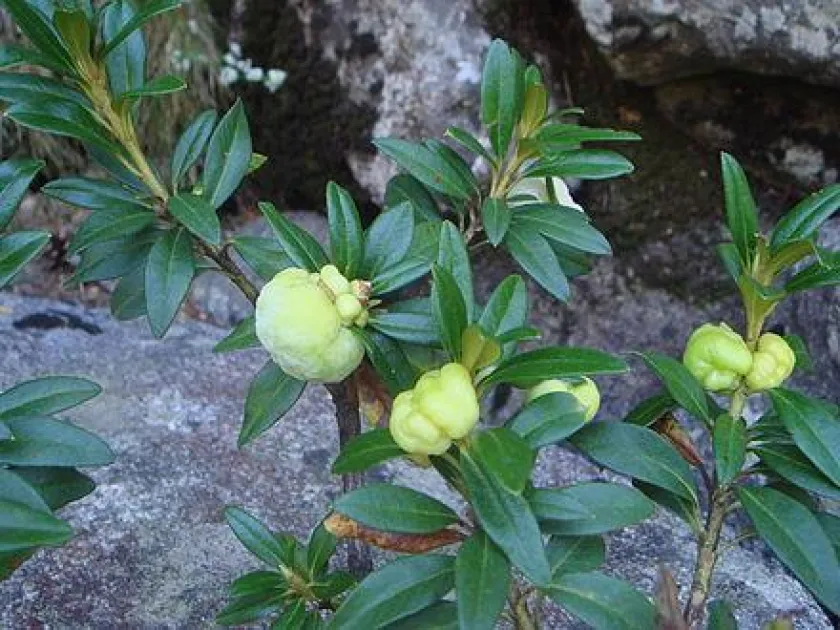
The primary symptom is the appearance of specific swellings, or galls, on the leaves and young shoots. These structures are often pale green, pink, or yellowish, depending on their developmental stage.
A distinctive feature is the emergence of a white, powdery bloom on the surface of the galls. This is the sporulation stage of the fungus, indicating that it is releasing spores into the environment.
Over time, these galls dry out, becoming hardened and turning brown or black. The affected foliage becomes distorted, curled, and loses its aesthetic appeal, significantly impacting the plant's beauty.
Severe infestations can affect floral buds as well. This leads to the development of abnormal, deformed flowers or causes the buds to wither and fall off before they can even open.
- Development of pale green or pinkish leaf swellings.
- White powdery spores visible on the underside of galls.
- Deformation and curling of new foliage.
- Blackening and drying out of tissue by the end of the season.
Pathogen
The disease is caused by the specialized fungus Exobasidium rhododendri, which belongs to the class of basidiomycetes. This pathogen is a parasite that specifically targets rhododendron tissues, inducing abnormal hypertrophy.
The fungus overwinters as mycelium within the infected tissues of the shrub. With the onset of spring, the pathogen reactivates, utilizing the plant's nutrients to form its reproductive structures.
The life cycle of the pathogen is closely tied to the plant's growth season. Infections typically occur in early spring when the buds are beginning to unfurl, as these young, tender tissues are most susceptible to fungal invasion.
It is important to note that this fungus is an obligate parasite, meaning it cannot survive without its host. Spores are disseminated by wind, rain splashes, or contaminated gardening tools.
The common name of the disease refers to the formation of "galls," which are pathological growths on leaves that start as small swellings and evolve into fleshy, deformed, and often discolored tissues.
Conditions for development
The development of the fungus is favored by high humidity and moderate temperatures. A cool, rainy spring creates ideal environmental conditions for spore germination and tissue colonization.
Dense plantings with poor air circulation are particularly prone to infection. Standing moisture on leaves following rain or improper overhead watering significantly boosts the risk of fungal proliferation.
Excessive humidity in the crown area helps maintain a microclimate where fungal spores can survive and germinate successfully, even if dry weather prevails elsewhere in the garden.
Poor horticultural practices, such as the over-application of nitrogen fertilizers, encourage the growth of soft, watery tissues that the fungus can penetrate and infect with greater ease.
Temperatures ranging between 15 and 20 degrees Celsius are considered optimal for the pathogen's metabolic processes and the subsequent production of fruiting bodies on the surface of the host leaves.
Why it matters
Rhododendron gall severely diminishes the ornamental value of the shrubs, turning healthy specimens into sources of infection. Widespread leaf loss weakens the plant's overall vitality.
Chronic infestation drains the shrub's resources, making it less resilient to winter frost. As a result, the plant may die during cold weather because its metabolic processes were compromised throughout the season.
The reduction in photosynthetic leaf area slows down the growth of new shoots. In extreme cases, the plant may completely fail to set floral buds for the following year's flowering season.
The infection spreads rapidly within a collection of ornamental shrubs. Without proper management, the pathogen can lead to the decline of an entire landscape collection of Ericaceous plants.
The physical damage caused by galls creates entry points for secondary bacterial and fungal pathogens, further complicating the recovery process and deteriorating the rhododendron's health.
Protection
The most effective strategy is the immediate removal and destruction of infected leaves and shoots. It is crucial to perform this before the white spore-producing layer develops.
Preventative applications of copper-based fungicides should be conducted in early spring, before the buds burst, to eliminate any over-wintering fungal spores residing on the plant surface.
Managing planting density is essential. Proper pruning and thinning of the rhododendron canopy improve airflow, which keeps the foliage dry and makes the environment unsuitable for the fungus.
Irrigation should be directed at the base of the plant to avoid wetting the foliage. Keeping the leaves dry is one of the most effective non-chemical methods to discourage the spread of Exobasidium.
If the infestation is widespread, systemic fungicides may be used according to the manufacturer's label. Consistent monitoring during the spring allows for early detection and rapid management of the disease.
Discussion
No discussions yet — be the first.