
Begonia powdery mildew
Erysiphe begoniicola
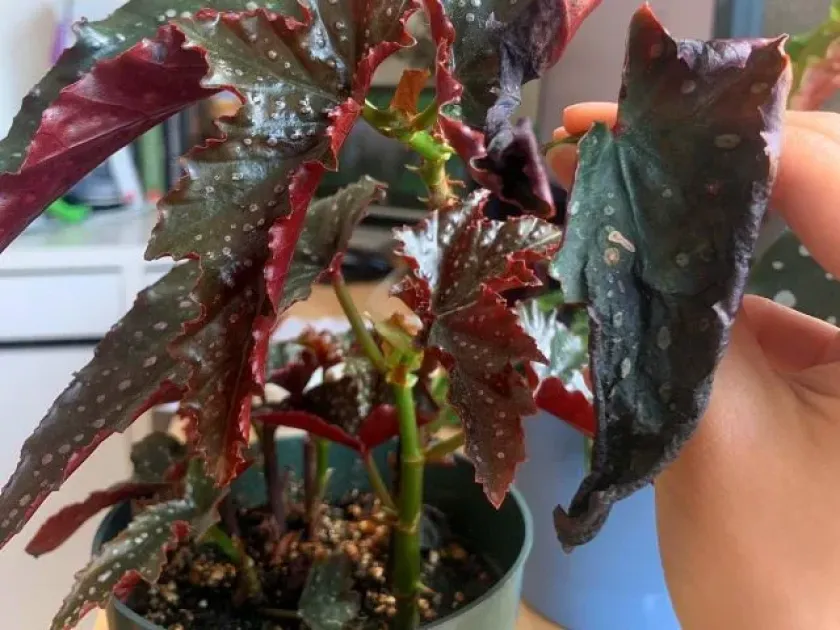
Description
Symptoms
The primary symptom is the appearance of small, whitish patches on the upper surface of the leaves. These spots resemble a dusting of flour or ash, which is characteristic of this infection.
As the disease progresses, the white mycelial growth spreads to cover stems, petioles, and even flower buds. Infected plant parts often begin to show signs of distortion and curling.
Beneath the fungal layer, the plant tissue loses its vibrant color, eventually yellowing or turning brown as the cells die due to the constant nutrient drain by the fungus.
Severe infections lead to stunted shoot growth, premature leaf drop, and poor flowering. The decorative value of the begonia is significantly compromised or lost entirely.
- The white coating can be wiped off but rapidly reappears.
- Leaves become brittle and lose their turgor and health.
- Young shoots show signs of twisting and developmental failure.
Pathogen
The causative agent of this disease is an obligate parasite, the fungus Erysiphe begoniicola. It is a highly specialized pathogen that survives only by feeding on living plant tissues.
This fungus belongs to the powdery mildew group, which propagates via microscopic spores known as conidia. These spores are easily dispersed by air currents, splashing water, or contaminated gardening equipment.
The fungus maintains its life cycle by developing a superficial mycelium on the surface of the begonia, using specialized structures called haustoria to extract nutrients directly from the host cells.
As the mycelium colonizes the plant, it produces a dense, white, flour-like coating. This appearance is due to the massive production of spores, which are continuously released to infect adjacent plant surfaces.
In greenhouses and indoor environments, the pathogen can persist throughout the year on vegetative parts of the plant, posing a permanent threat to begonia collections.
Conditions for development
Development of the fungus is favored by moderate temperatures (18°C to 25°C) and high relative humidity. These conditions are commonly found in indoor gardening and greenhouse setups.
Poor ventilation and air stagnation are the leading factors that promote rapid spore germination. Crowding plants together prevents proper airflow, creating a stagnant microclimate favored by the pathogen.
Temperature fluctuations that lead to condensation on foliage are major triggers for the rapid spread of the disease across the plant population.
Excessive nitrogen fertilization promotes the growth of soft, succulent tissue, which is far more susceptible to penetration by Erysiphe begoniicola hyphae.
Low light levels reduce the plant's photosynthetic efficiency and weaken its natural immune system, making it much easier for the powdery mildew to take hold.
Why it matters
Begonia powdery mildew causes significant economic losses for commercial nurseries, as infected plants become unsellable due to their unsightly appearance.
The fungus drains energy from the plant, depleting the carbohydrates necessary for healthy growth and blossom formation, resulting in a severely stressed specimen.
If left untreated, the disease is invariably fatal to the plant, as the dense mycelium eventually interferes with essential processes like respiration and gas exchange.
The high contagiousness of the fungus makes it a major concern, as spores travel easily, potentially wiping out entire collections if not managed promptly.
Plants weakened by powdery mildew are significantly more prone to opportunistic secondary bacterial infections, which quickly destroy the remaining healthy tissue.
Protection
Integrated management begins with good cultural practices: ensuring excellent airflow, avoiding overhead watering, and keeping foliage dry whenever possible.
At the first sign of infection, isolate affected plants and remove heavily infected leaves. Apply systemic fungicides, such as those containing triazoles or strobilurins, to eradicate the fungus.
Biological control options, including products based on Bacillus subtilis, can be used to outcompete the fungus and inhibit mycelial growth during the early stages.
Preventative fungicide sprays during humid weather conditions are highly effective in curbing the spread of the pathogen in a greenhouse setting.
Regular monitoring and a strict quarantine policy for new plant acquisitions are essential strategies for keeping a begonia collection healthy and free of disease.
Discussion
No discussions yet — be the first.