
Erynia
Erynia
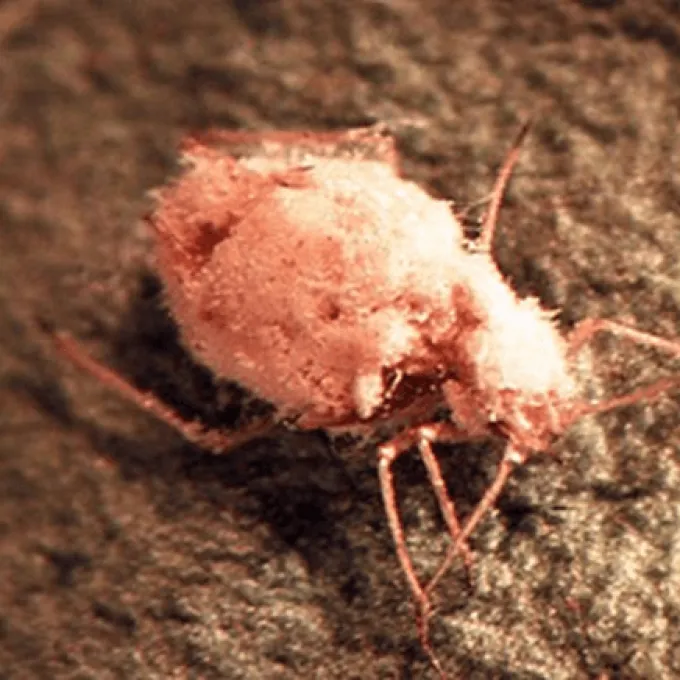
Description
Pathogen
Erynia is a genus of entomopathogenic fungi belonging to the order Entomophthorales. These fungi are specialized pathogens that infect and kill insects rather than damaging plants.
They play a significant role in nature by regulating the populations of various pests, particularly aphids, leafhoppers, and other sap-sucking insects in agricultural ecosystems.
The infection process begins when fungal conidia land on the host's cuticle, germinate, and penetrate the insect body. The fungus then proliferates internally, consuming the host's tissues and leading to its death.
Following the host's death, the fungus produces new conidia that are released into the environment to infect other insects, effectively spreading the mycosis through the pest population.
In sustainable agriculture, the presence of Erynia is considered a beneficial factor, as it acts as a natural biological control agent against significant agricultural pests.
Conditions for development
The development and dissemination of Erynia are highly dependent on environmental factors, particularly humidity. High relative humidity (usually above 80%) is essential for conidial germination.
Temperature plays a crucial role in the infection rate. Most species thrive at moderate temperatures ranging from +18°C to +25°C, which are common during the active growing season.
High host density is a major factor driving the spread of fungal outbreaks. Dense insect colonies allow for more frequent contact between conidia and healthy insects.
Dew or light rainfall on foliage provides the necessary film of moisture for the fungi to successfully germinate on the host's exoskeleton, facilitating the infection process.
Extended periods of drought or high heat significantly reduce the efficacy of the fungus, as the conidia are sensitive to desiccation when outside the host organism.
Why it matters
Erynia species are not plant pathogens; they do not cause diseases in crops. Their impact on the ecosystem is entirely focused on suppressing pest insect populations that threaten yield.
Infected insects stop feeding shortly after the initial infection, which helps prevent further mechanical damage to plant leaves and stems even before the pest dies.
Furthermore, because these fungi efficiently kill vectors such as aphids, they indirectly protect plants from the transmission of various viral diseases that often plague agricultural crops.
The loss of natural entomopathogenic control in a field, often caused by heavy fungicide application, can lead to unexpected and severe surges in pest populations.
Therefore, managing these beneficial fungi is a part of advanced integrated pest management, ensuring that natural biological regulation remains active throughout the season.
Protection
There is no need to control Erynia as a disease; the primary goal is to preserve its population. Farmers should aim to avoid unnecessary applications of broad-spectrum fungicides that might inhibit the fungi.
Agricultural practices that promote a stable microclimate, such as proper row spacing and weed control, can help maintain the humidity levels required for the fungi to remain active.
Regular field scouting for insect mortality due to fungal infection can help agronomists make better decisions regarding the timing of necessary insecticide applications.
Current research efforts are focused on mass-producing specific strains of Erynia to be applied as biological pesticides in areas where natural populations are insufficient to curb a pest outbreak.
By integrating biocontrol agents into standard farming practices, agronomists can effectively reduce chemical dependency and create a more balanced and resilient agricultural environment.
Discussion
No discussions yet — be the first.