
Epicoccum brasiliense
Epicoccum brasiliense
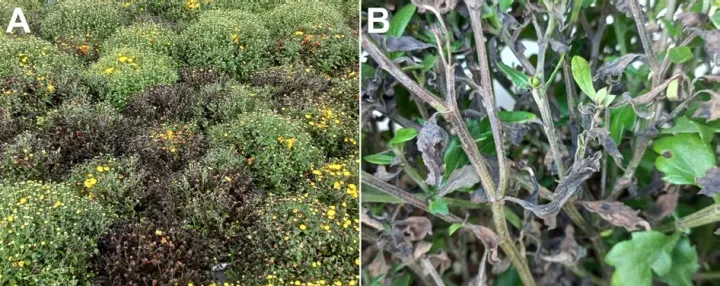
Description
Symptoms
The primary symptom is the appearance of irregular necrotic spots on leaves and stems. These spots are often yellow or brownish, and they may be surrounded by a chlorotic halo as the plant responds to the fungal infection.
Under high humidity, a distinctive fluffy orange or reddish-brown fungal mat appears on the infected areas. This mat is a mass of spores and serves as a key diagnostic feature for visual identification in the field.
Stem infection leads to weakening and tissue necrosis, which can cause the stems to become brittle. This loss of structural integrity often results in lodging, particularly in cereal crops affected during the later stages of growth.
In cases where reproductive organs are colonized, such as seed heads or fruit, the quality of the produce is severely compromised. Symptoms include discoloration, shriveling, and a significant reduction in grain weight.
Symptoms are often more pronounced on plants that have already suffered from stress, such as drought, nutrient deficiency, or prior damage from pests, as the fungus exploits these vulnerabilities.
Pathogen
The causal agent is the microscopic fungus Epicoccum brasiliense, classified among the imperfect fungi. In agricultural pathology, it often acts as a saprotroph, though it can become an opportunistic parasite under favorable conditions.
The fungus produces colonies that start as yellow or orange and darken to brown over time. It thrives by colonizing plant tissues and deriving nutrients from them, often disrupting the host's normal physiological functions.
Reproduction occurs through conidia formed within specialized structures called sporodochia. These spores are lightweight and easily dispersed by wind and rain splashing, enabling rapid spread across large agricultural areas.
Epicoccum brasiliense exhibits high survival rates in soil and on crop debris, making it a persistent threat in fields where host plants are grown continuously or where sanitation is lacking.
It is frequently observed in association with other fungi, such as Alternaria or Fusarium. This co-infection makes diagnosis challenging, as symptoms may overlap and vary significantly based on the plant species.
Conditions for development
High relative humidity, typically above 75%, is the primary factor driving the development and spread of Epicoccum brasiliense. Periods of prolonged rainfall are particularly conducive to heavy outbreaks.
The fungus thrives in moderate to warm temperatures, with an optimal range between +20°C and +28°C. These temperatures accelerate the incubation period, allowing for rapid generation cycles and massive spore production.
Densely planted crops with poor air circulation are highly susceptible. The microclimate inside thick canopies retains moisture, creating the perfect environment for the fungal spores to germinate and colonize.
Plants suffering from nutritional imbalances, especially those lacking sufficient potassium, exhibit reduced resistance to infection. A weak cuticle layer makes it easier for the fungus to penetrate the host tissues.
Crop debris left on the soil surface acts as a primary source of inoculum. When conditions become warm and damp in the spring, the fungus activates and begins the infection cycle on new growth.
Why it matters
The main impact of Epicoccum brasiliense is the reduction of leaf surface area, which leads to lower photosynthetic rates and decreased biomass accumulation. This directly correlates with significant yield losses.
Infection results in poor seed quality, reduced germination rates, and potential market rejection of the harvest. Farmers may face economic losses due to both lower yield quantity and decreased produce quality.
The fungus can produce secondary metabolites, including mycotoxins, which can affect the safety of the harvested grain. This limits the commercial potential of the crops and creates risks for animal and human consumption.
Severe infestations can reduce total yields by up to 20% or more, depending on environmental conditions and the susceptibility of the cultivar. It often creates a compounding effect when other diseases are present.
The damage caused by the fungus makes the crop more attractive and vulnerable to secondary pests, further complicating management efforts and increasing the cost of crop protection throughout the season.
Protection
Cultural management is essential, starting with proper crop rotation to break the disease cycle. Removing or burying crop residues after harvest significantly reduces the overwintering inoculum in the soil.
Practicing good field hygiene, including weed control, is crucial. Weeds can harbor the fungus during off-seasons and serve as bridges for infection to move onto the main crop when it is planted.
Chemical control using fungicides, specifically triazoles and strobilurins, can be effective when applied at the first sign of symptoms. Monitoring the field regularly allows for timely intervention before the disease spreads.
Optimizing plant nutrition, particularly ensuring balanced fertilization, strengthens the plant's structural barriers. Healthy plants are better equipped to limit the spread of fungal pathogens within their tissues.
Using certified, fungicide-treated seeds is a standard preventative measure that protects the crop during the vulnerable seedling stage, ensuring a robust start to the growing season.
Discussion
No discussions yet — be the first.