
Entorrhiza cypericola
Entorrhiza cypericola
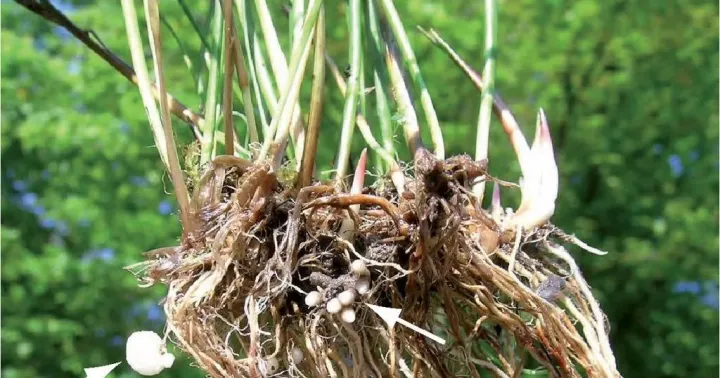
Description
Symptoms
The primary symptom of Entorrhiza cypericola infection is the formation of distinct galls or tumor-like swellings on the root system of host plants.
These galls are hypertrophied root tissues that develop as the fungus completes its life cycle within the root cortex of the infected sedge.
While the aerial parts of the plant might appear stunted or chlorotic, the diagnostic confirmation requires examining the roots to identify the characteristic deformation.
The size of the galls can vary depending on the host species and the environmental conditions during the initial stage of the fungal colonization.
In advanced cases, the roots may show signs of decay or browning, which indicates the end of the gall development and the release of fungal spores into the soil.
Pathogen
The disease is caused by Entorrhiza cypericola, a specialized microscopic fungus that belongs to the order Entorrhizales.
It acts as an obligate parasite, living entirely within the tissues of its host's roots throughout its vegetative and reproductive stages.
The fungus induces the host plant to produce abnormal cell growth, which effectively turns the root system into a habitat and nutrient source for the fungal spores.
Teliospores are the primary survival units of the pathogen, allowing it to persist in the soil for extended periods even in the absence of a host plant.
The pathogen is highly host-specific, primarily targeting plants within the Cyperaceae family, particularly members of the Cyperus genus.
Conditions for development
High soil moisture is a critical environmental factor for the germination of fungal spores and the successful infection of young root systems.
Moderate temperatures during the active growing season promote the development of the fungal mycelium within the roots of host plants.
Waterlogged soils are particularly conducive to the spread of the pathogen, as spores can be moved through water films in the soil profile.
Continuous cropping of susceptible sedge species on the same field leads to a buildup of inoculum density, increasing the likelihood of widespread infection.
Poor soil aeration and lack of drainage create a microenvironment that favors the pathogen's establishment and long-term survival in the field.
Why it matters
The primary harm caused by this disease is the disruption of the plant's root function, which severely limits the uptake of water and essential nutrients.
Energy diverted into the production of galls weakens the plant, leading to reduced growth rates, lower biomass production, and overall loss of vigor.
Plants heavily infested with Entorrhiza cypericola are less resilient to environmental stresses such as drought, frost, or other soil-borne diseases.
In nursery or ornamental contexts, the presence of root galls renders the stock unmarketable and poses a threat to other healthy plant materials nearby.
Secondary infections by soil bacteria and opportunistic fungi often follow the root damage, further compromising the survival of the host plant.
Protection
The first line of defense is the use of certified, disease-free planting material to prevent the introduction of the pathogen into new areas.
Implementing a crop rotation strategy is essential; avoiding the cultivation of susceptible sedges for several years helps break the pathogen's life cycle.
Improving field drainage and ensuring proper soil aeration are effective cultural practices that can reduce the incidence and spread of the fungus.
Rigorous monitoring and the immediate removal of infected plants, including the entire root mass and surrounding soil, are necessary to limit the inoculum.
Sanitation of tools and equipment used in infested areas is critical to prevent the mechanical transfer of contaminated soil containing fungal spores.
Discussion
No discussions yet — be the first.