
Entomophaga
Entomophaga
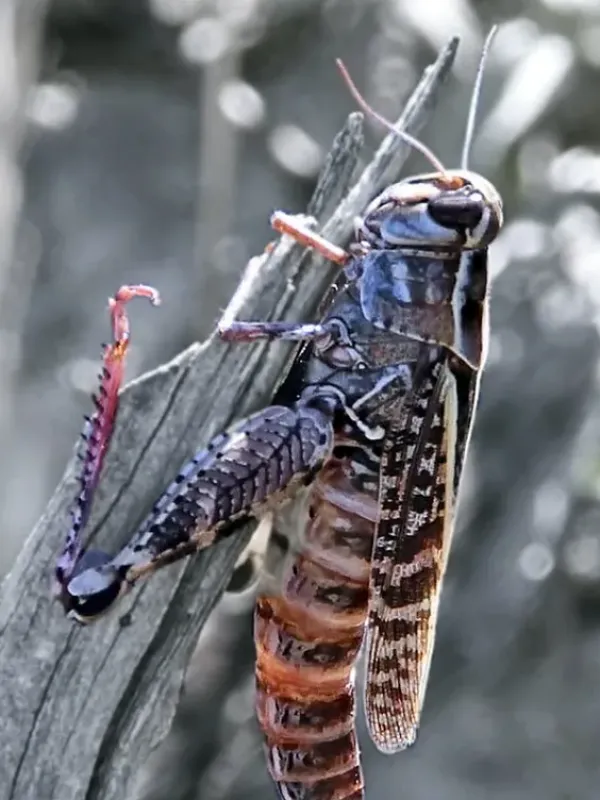
Description
Symptoms
One of the first signs of infection is a behavioral change, where infested insects move to higher parts of the plant and remain immobile.
Visible mycelial growth eventually covers the host's body, often appearing as a whitish or gray mat of spores on the insect's surface.
Infected insects are frequently found "anchored" to the plant tissues by fungal rhizoids, which helps stabilize them for efficient spore dispersal.
The internal tissues of the insect are gradually replaced by the fungal mass until only the outer cuticle remains intact as a shell.
Under magnification, the insect's body cavity is typically found to be entirely filled with fungal hyphae, completing the mummification of the host.
Pathogen
Entomophaga is a genus of fungi within the Entomophthorales order, known for being specialized entomopathogens that infect various insects and mites.
These fungi play a vital role in natural ecosystems by acting as biological control agents, significantly suppressing populations of agricultural and forest pests.
The infection process starts when a spore lands on the insect's cuticle, secretes enzymes to penetrate the outer layer, and begins colonization of the host's body.
Unlike plant-pathogenic fungi, Entomophaga exclusively targets the invertebrate host, making it a powerful ally in sustainable agricultural practices.
The life cycle involves internal growth that depletes the host's energy, followed by the external production of conidia to ensure further transmission.
Conditions for development
The development and spread of Entomophaga are highly dependent on environmental conditions, particularly high relative humidity often exceeding 90 percent.
Optimal temperatures for most species usually range between 18 and 25 degrees Celsius, allowing for rapid germination of spores.
Host density is a critical factor; high populations of insect pests facilitate faster transmission of the fungal pathogen throughout the crop.
The presence of free water on plant surfaces, such as dew or rain droplets, is essential for spores to germinate and successfully infect the target insect.
Environmental stress, such as direct exposure to intense sunlight and low humidity, can significantly reduce the viability of spores on the plant surface.
Why it matters
Entomophaga is not considered a disease of plants; instead, it is a highly beneficial fungal agent that combats harmful pest insects.
The impact of this fungus is strictly limited to invertebrate hosts, posing no threat to the crops themselves or human health.
In agricultural settings, Entomophaga serves as a natural regulator that can lead to large-scale epizootics among pests like aphids and plant bugs.
By effectively managing insect populations, this fungus reduces the need for heavy chemical intervention, preserving the overall health of the agroecosystem.
Failing to account for the presence of this fungus can lead to unnecessary pesticide applications that might harm beneficial natural enemies as well.
Protection
Management strategies focus on preserving the existing fungal population by creating conditions that favor its natural development and spread.
Farmers should avoid broad-spectrum fungicides that could inhibit the development of Entomophaga during critical periods of pest colonization.
Integrated Pest Management (IPM) practices, such as maintaining shelterbelts, help preserve the natural balance and the presence of these fungi.
- Avoiding excessive chemical sprays that are toxic to entomopathogens.
- Monitoring field plots for the presence of fungal mummies.
- Managing irrigation to maintain favorable humidity levels in the canopy.
- Adopting selective insecticides that are compatible with biological agents.
The implementation of bio-rational tactics ensures that natural regulatory mechanisms remain active throughout the entire growing season of the crop.
Discussion
No discussions yet — be the first.