
Entoloma saepium
Entoloma saepium
Description
Symptoms
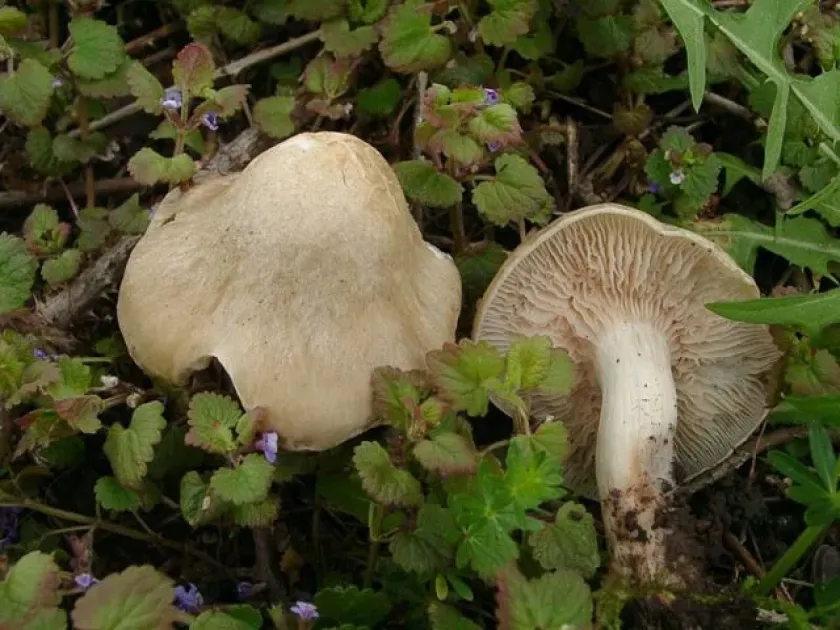
Entoloma saepium is primarily identified by the appearance of its fruit bodies, which emerge in the soil around the base of affected trees. The mushrooms typically feature beige to light-brown caps that may lighten as they mature.
The overall vitality of the tree declines noticeably as the infection progresses. Infected trees often exhibit stunted growth, yellowing leaves, and a significant decrease in the quantity and quality of fruit production.
A key internal sign of the disease is the degradation of the wood, which loses its structural integrity. When a branch or trunk is cut, one may observe a change in tissue color and texture, indicating rot.
In the rhizosphere, one might find white or creamy mycelial mats infiltrating the bark and roots. This underground network is responsible for blocking the tree's vascular system, preventing proper water uptake.
Affected trees often show symptoms of premature dormancy or sudden dieback of outer branches. During periods of high humidity, a faint, earthy, or flour-like smell may be detectable near the base of the trunk.
Pathogen
The causative agent is the basidiomycetous fungus Entoloma saepium. While it acts as a saprotroph, it frequently behaves as an opportunistic pathogen in orchards, targeting trees weakened by other environmental stressors.
The fungus spreads via wind-dispersed spores that enter the plant through wounds in the bark or damaged root systems. Once inside, the mycelium colonizes the wood, utilizing enzymes to break down essential structural components.
The life cycle of the pathogen is deeply rooted in the soil, where it can persist for years, drawing nutrients from decaying organic matter and living roots alike. This soil-borne nature makes the fungus particularly difficult to eliminate.
Entoloma saepium thrives in environments with poor soil drainage and stagnant water. Its ability to create symbiotic-like associations with tree roots allows it to establish itself firmly before visible damage occurs.
The biological success of this fungus lies in its rapid colonization of wood tissues. Once the mycelium gains access to the cambium or vascular bundles, it rapidly disrupts the flow of water and nutrients, leading to systemic stress.
Conditions for development
The disease flourishes in damp, poorly aerated soils where moisture remains trapped. Such conditions are optimal for both the germination of fungal spores and the vegetative growth of the mycelium.
Temperatures ranging from 15°C to 22°C (approximately 60–72°F) provide the ideal thermal environment for the fungus to expand its underground colony. Early spring and late autumn are peak monitoring periods.
Physical injuries to the trunk or roots are crucial gateways for infection. Wounds caused by mechanical harvesting, improper pruning, frost cracks, or sunburn serve as primary infection points for the spores.
Orchards with high planting density often suffer from poor air circulation, which prevents the ground and lower trunk surfaces from drying out properly. High humidity levels at the surface directly encourage fungal development.
The accumulation of woody debris, old tree stumps, and decaying root remnants in the soil provides a perfect food base for the fungus. Failing to clear these materials creates a persistent reservoir for the pathogen.
Why it matters
The primary damage caused by Entoloma saepium is the internal decay of the tree's vascular system. This leads to reduced nutrient transport, resulting in a general decline in tree health and productivity.
Infected trees become significantly more susceptible to secondary stressors, such as harsh winters or drought. The loss of root integrity renders the tree unable to recover from even minor environmental shifts.
Economic loss in orchards is severe, as infected trees often show reduced fruit yields and lower fruit quality. Over time, the trees become structurally unstable, posing a risk of falling during high winds.
The infection can spread to neighboring trees through root grafting, turning a single-tree problem into an orchard-wide epidemic. This necessitates strict quarantine measures for any symptomatic area.
Reclaiming an infected plot is challenging due to the longevity of the fungus in the soil. Growers may face years of soil treatment or the need to replace entire sections of the orchard to regain productivity.
Protection
Effective management begins with strict sanitation: disinfecting pruning tools and treating all wounds with protective orchard paint. Keeping the trees healthy and free of physical damage is the best defense.
Improving soil drainage is essential for high-risk areas. Installing subsurface drainage systems or creating mounds for trees can help ensure that the root zone remains well-aerated and dry.
If fruit bodies are found, they must be carefully removed and destroyed—not composted—along with the surrounding soil. Applying copper-based fungicides to the soil can help suppress surface spore populations.
Systemic fungicides, applied as a preventative measure, can protect the plant by reinforcing its resistance. Consult with a local agronomist to select the appropriate chemicals registered for your specific crop.
In cases of severe infestation, the only viable option is to remove the tree and the entire root system. The area should then be left fallow or planted with non-host species for several years to break the infection cycle.
Discussion
No discussions yet — be the first.