
Entoloma pleopodium
Entoloma pleopodium
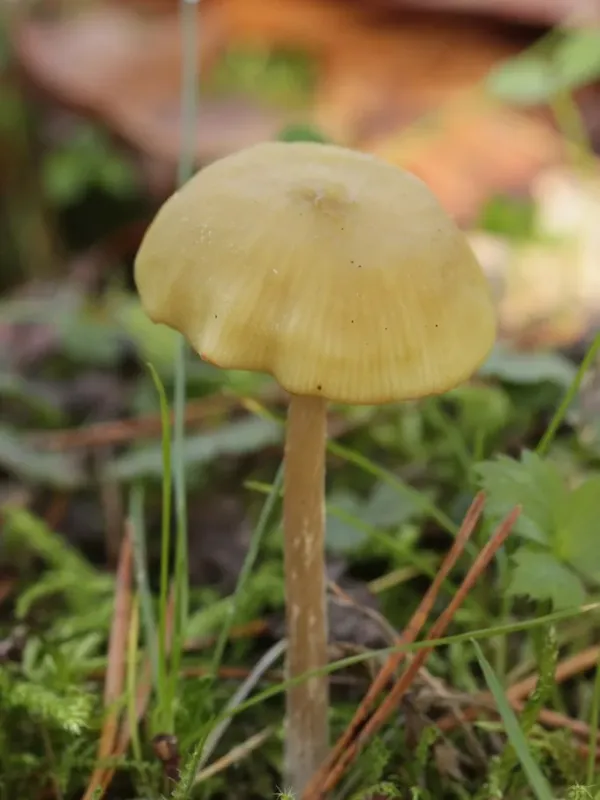
Description
Pathogen
Entoloma pleopodium is a species of mushroom belonging to the Entolomataceae family. It is strictly a saprotrophic organism and is not classified as a plant pathogen.
This fungus does not cause diseases in agricultural crops. Its biological role is focused on the decomposition of organic matter, such as decaying plant debris and leaf litter.
The mycelium of this fungus functions within the soil ecosystem, contributing to the process of humification. It does not infect living roots, stems, or leaves of plants.
From an agronomic perspective, this species is considered a beneficial decomposer rather than a pest or disease agent.
No agricultural control measures, such as fungicides, are required or recommended for this species, as it represents natural soil biodiversity.
Conditions for development
The fruiting bodies of Entoloma pleopodium typically appear in habitats with high moisture levels and adequate soil fertility. It is commonly observed in the late summer and autumn seasons.
The fungus thrives in environments rich in organic material. Moist soil conditions are essential for the mycelium to remain active and to produce fruiting bodies.
Stable moderate temperatures are preferred for the growth of this species. It is generally found in temperate climates in shaded or semi-shaded areas.
Soil aeration and the presence of complex organic matter are key factors that support the survival of the fungus in its natural habitat.
Management practices that incorporate organic amendments like leaf mold or compost may naturally favor the presence of these saprotrophic fungi in agricultural environments.
Discussion
No discussions yet — be the first.