
Entoloma ortonii
Entoloma ortonii
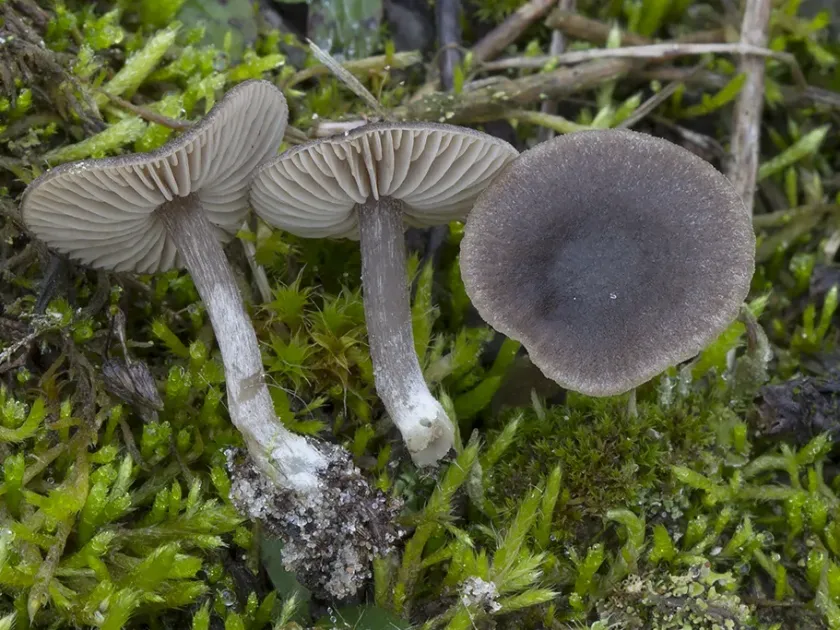
Description
Symptoms
Visual symptoms often start with localized wilting of the foliage, which is characteristic of reduced water uptake due to primary root damage.
The appearance of small, distinct mushrooms near the base of the plant is a definitive indicator of the pathogen's presence and activity within the soil.
Foliage may exhibit yellowing (chlorosis) and eventually necrotic spots as the plant's ability to transport essential minerals is severely impaired.
A closer inspection of the root system reveals browning, tissue softening, and a characteristic fungal smell, indicating the destruction of root hairs.
Plants affected by this pathogen show stunted development and a significant decrease in biomass, failing to reach their expected physiological potential.
Pathogen
Entoloma ortonii is a species of fungus that can act as a stress-inducing agent for agricultural crops, particularly when root integrity is compromised.
Taxonomically, it belongs to the Entolomataceae family and thrives in organic-rich soils, occasionally transitioning from a saprophytic to a weak parasitic lifestyle.
The pathogen utilizes a complex network of hyphae to colonize the rhizosphere, effectively outcompeting beneficial soil microorganisms under favorable conditions.
Dissemination is facilitated by the release of basidiospores, which are easily transported by water droplets during heavy irrigation or rainfall events.
Understanding the life cycle of this fungus is crucial for integrated pest management, as it can persist in soil debris for multiple seasons.
Conditions for development
High soil moisture is the primary driver for the development of Entoloma ortonii, as it favors the rapid expansion of the fungal colony.
Temperature fluctuations between 15°C and 25°C in well-moistened soil create an environment where the fungus can rapidly infect neighboring roots.
Poor soil aeration, common in compacted fields, prevents the roots from accessing oxygen, further weakening the plant and encouraging fungal penetration.
Soils with high levels of decomposing organic matter provide a constant food source for the pathogen, sustaining it during periods without susceptible crops.
Excessive use of nitrogen fertilizers that lower the soil pH can indirectly create a niche where this species gains a competitive advantage.
Why it matters
The primary harm caused by this fungus is the disruption of the plant's nutrient uptake system, leading to decreased yields and poor crop quality.
Plants become prone to secondary bacterial infections that enter through the lesions created by the fungal hyphae in the root tissue.
The overall impact includes economic loss due to reduced marketable yield and the potential need for total field sanitization or crop destruction.
By compromising the plant's structural integrity, the fungus makes crops more susceptible to environmental stresses such as heat and drought.
Chronic infestation of a field requires long-term management strategies, significantly increasing the cost of production per unit of harvest.
Protection
Preventative measures include crop rotation with non-host species to disrupt the life cycle of the fungus and reduce spore density in the soil.
Chemical control involving soil-applied fungicides can be effective if applied early enough to prevent the fungus from establishing a dominant population.
Improving soil structure through mechanical aeration and proper drainage reduces the likelihood of waterlogging, thus suppressing fungal outbreaks.
Biological soil amendments, including beneficial bacteria and fungi, can help restore the natural balance and inhibit the growth of pathogenic organisms.
- Maintain optimal soil drainage and aeration.
- Practice thorough field sanitation after harvest.
- Use certified and disease-free seeds or seedlings.
Discussion
No discussions yet — be the first.