
Entoloma jubatum
Entoloma jubatum
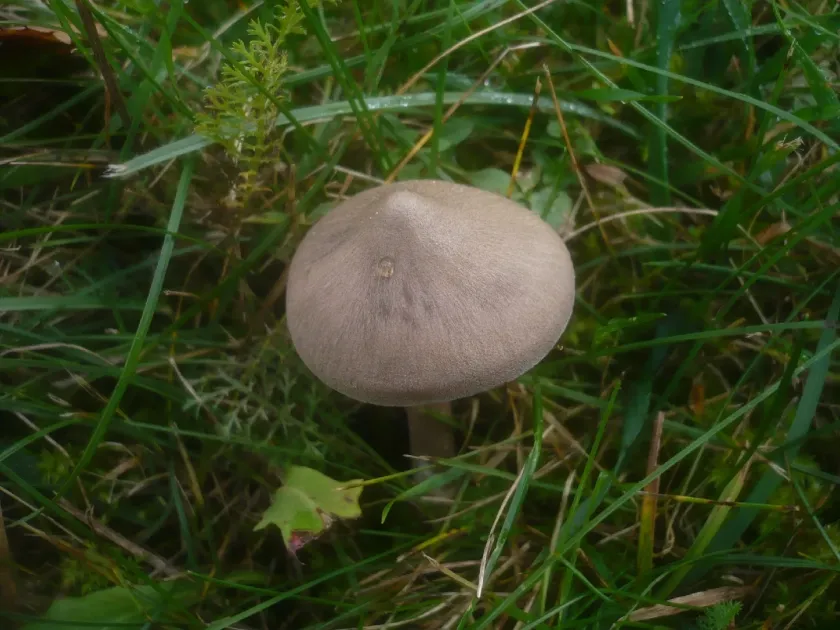
Description
Pathogen
Entoloma jubatum, known as the shaggy entoloma, belongs to the family Entolomataceae. It is important to note that this fungus is primarily a soil-dwelling saprotroph rather than a primary plant pathogen that attacks crop tissues.
The fungus plays a significant role in the decomposition of organic matter in the soil. It interacts with the soil ecosystem by breaking down complex plant remains, contributing to the humification process in the field.
Structurally, it is characterized by its distinct cap and gill formation. While its mycelium spreads extensively through the soil, it does not typically invade the vascular system of cultivated crops.
In modern agricultural science, this species is often considered an indicator organism. Its presence usually signals specific soil conditions, such as high moisture levels or an abundance of decaying organic matter, rather than an infection cycle.
Because it is not a classic phytopathogen, it does not cause necrotic lesions on stems or leaves. However, its biological activity is part of the broader soil microbiome that can influence plant growth dynamics.
Conditions for development
The development of Entoloma jubatum is highly dependent on environmental humidity. It thrives in soils that remain consistently damp for extended periods, especially following rainy seasons.
Rich organic substrates are essential for its growth. Fields with high content of un-decomposed plant debris provide the optimal environment for the mycelium to establish and spread.
Moderate temperatures are favorable for the emergence of its fruiting bodies, typically in late summer and throughout the autumn months when soil moisture is at its peak.
Soil compaction is a critical factor. In compacted, poorly aerated soils, the water-holding capacity increases, creating a niche that this species occupies efficiently due to limited competition from aerobic organisms.
Spore dispersal is facilitated by wind and water splashing. These spores can persist in the soil environment, ready to germinate when the moisture content and temperature align with the species' specific requirements.
Why it matters
The primary concern regarding this fungus in agriculture is not direct infection, but its presence as a marker for improper soil management, specifically regarding drainage and waterlogging.
Excessive moisture associated with the growth of Entoloma jubatum can limit oxygen availability to crop roots, which is a major factor in reducing overall crop vitality and yield potential.
The fungus competes for nutrients in the rhizosphere. While it does not kill crops, its intensive mycelial network can temporarily alter the soil chemistry, making it harder for plants to access essential nutrients.
Its growth may also indicate a build-up of organic residues, which, if not managed, can become a harbor for other, more aggressive soil-borne pathogens like Pythium or Rhizoctonia.
The aesthetic and physical presence of large patches of mycelium can interfere with standard field operations, especially in reduced-tillage farming systems.
Protection
Effective management begins with improving soil drainage. Installing tile drains or surface ditches can significantly reduce the moisture levels that favor this fungal species.
Deep cultivation or subsoiling is recommended to improve soil aeration, which disrupts the fungal mycelium and promotes a more balanced soil microbial environment.
Crop rotation should be utilized to manage organic matter levels in the soil, preventing the accumulation of the specific debris that supports the growth of this fungus.
Incorporation of organic amendments should be balanced with nitrogen levels to ensure proper decomposition and prevent the accumulation of undecomposed material.
- Regular soil testing to optimize pH and nutrient levels for healthy crop growth.
- Removal of excessive crop residue after harvest to reduce potential fungal substrates.
- Using bio-stimulants that encourage beneficial soil microorganisms to compete with saprotrophic fungi.
Discussion
No discussions yet — be the first.