
Encoelia
Encoelia
Description
Symptoms
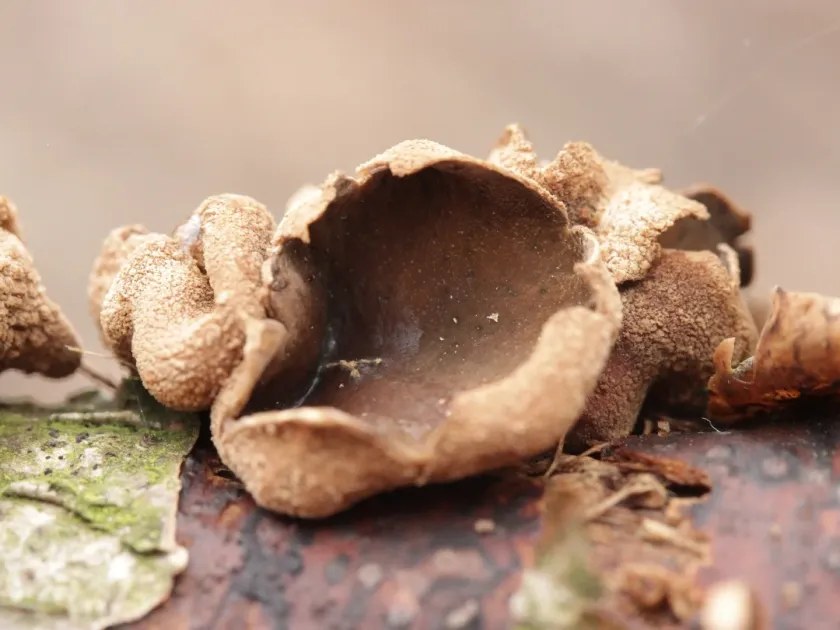
The most visible symptom is the appearance of small, brownish, cup-shaped fungal fruiting bodies clustered on the surface of tree bark or dying branches.
Infected areas of the bark often exhibit localized necrosis, characterized by discoloration, drying, and eventual cracking or flaking of the bark surface.
As the infection progresses, affected branches show signs of dieback, where leaves turn yellow or brown and drop off prematurely, eventually leading to branch death.
Open sores or lesions may develop at the site of infection, which often remain susceptible to further colonization by opportunistic pathogens or insects.
During wet weather, the fruiting bodies may swell and become more prominent, making it easier for observant arborists to detect the presence of the pathogen.
Pathogen
The disease is caused by fungi belonging to the genus Encoelia, with Encoelia furfuracea being a primary representative known to affect various broad-leaved trees.
This fungus behaves as a necrotrophic parasite, initially infecting weakened living tissues before switching to a saprotrophic lifestyle on dead bark or wood.
The lifecycle involves the production of small, cup-shaped apothecia (fruiting bodies) that emerge from the bark during favorable weather conditions, particularly in spring and autumn.
These fruiting bodies release numerous spores which are dispersed by wind and splashing rain, allowing the fungus to spread to nearby healthy trees or branches.
The mycelium colonizes the bark and cambium layers, slowly decaying the tissue and compromising the tree’s internal transportation systems.
Conditions for development
High humidity and prolonged periods of wet weather are the primary environmental drivers that favor the development and dissemination of Encoelia spores.
Stress factors such as drought, frost damage, or physical injuries to the bark create entry points that make trees significantly more susceptible to infection.
Poor site conditions, including inadequate soil drainage or nutrient deficiencies, weaken the host tree and reduce its natural defense mechanisms against fungal pathogens.
Dense, overcrowded planting patterns limit airflow and sunlight penetration, creating a persistent, moist microclimate that encourages fungal growth.
The presence of abundant dead or dying plant material within a plantation acts as a constant reservoir for the inoculum, facilitating further disease spread.
Why it matters
Encoelia can significantly impair the physiological health of trees, leading to reduced annual growth rates and potential dieback of major crown sections.
The accumulation of necrotic lesions weakens the structural integrity of branches, making them more susceptible to breakage during storms or heavy snowfall.
In forest management, the infection of valuable timber species can result in timber degradation, rendering the wood unsuitable for construction or quality manufacturing.
In horticultural settings, the aesthetic value of ornamental trees is severely compromised, often necessitating costly removal and replacement of affected specimens.
Widespread infection disrupts the health of ecosystems by suppressing sensitive species and altering the long-term composition of forest stands.
Protection
Sanitation practices are essential, including the prompt removal and disposal of infected branches or dead trees to eliminate the source of fungal spores.
Pruning cuts should be treated with appropriate sealants or fungicides to protect the exposed wood and prevent new infections from taking hold.
Maintaining optimal tree health through balanced fertilization and proper irrigation helps to strengthen the tree's natural resilience against various pathogens.
Preventive fungicide treatments, particularly those containing copper, can be applied to susceptible trees in early spring to mitigate the risk of spore germination.
Ensuring adequate tree spacing and implementing regular crown thinning improves ventilation, creating a drier environment that inhibits the lifecycle of Encoelia.
Discussion
No discussions yet — be the first.