
Elaphomyces
Elaphomycetaceae
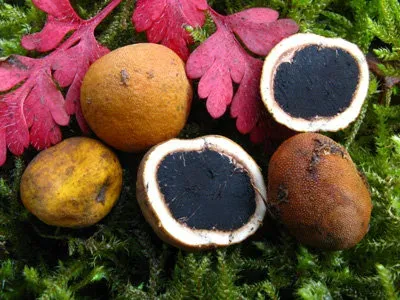
Description
Pathogen
Fungi of the family Elaphomycetaceae are hypogeous ascomycetes that are commonly referred to as truffle-like fungi.
They are not plant pathogens in the traditional sense; rather, they form extensive mycorrhizal associations with the roots of trees.
Their mycelium colonizes the root surface and tissues, acting as a bridge for nutrient and water absorption for the host tree.
These organisms are strictly dependent on the presence of woody host species and play a vital role in forest health.
Consequently, they should be classified as beneficial symbionts rather than pests or disease-causing agents in forestry.
Conditions for development
Elaphomycetaceae thrive in acidic soils rich in organic matter, typically found in stable forest environments.
Consistent moisture levels in the forest floor are essential for the development and maturation of their subterranean fruiting bodies.
The microclimate under the leaf litter or pine needles provides the necessary conditions for fungal growth throughout the year.
Disruption of the soil structure or drastic changes in soil acidity can inhibit the development of these mycorrhizal networks.
The spread of spores is facilitated by small mammals and soil invertebrates, which creates a complex biological cycle in the habitat.
Why it matters
These fungi do not pose a direct threat to crop health as they are not parasites of agricultural plants.
In forest nurseries, high density of these fungi is usually beneficial for the development and stress tolerance of tree seedlings.
The primary concern is incidental: the mechanical damage caused by wild animals foraging for these truffles in the soil.
There is no evidence that Elaphomyces species interfere with the physiological functions of healthy, growing trees.
Therefore, they are generally not considered a subject of economic damage control in professional plant cultivation.
Protection
No chemical control measures are required as these fungi are integral parts of the forest soil microbiome.
If management of site composition is necessary, manual soil amendment or habitat modification can alter the fungal community.
Protecting vulnerable young saplings from foraging wildlife is the most effective way to prevent secondary root damage.
General soil health management practices effectively maintain a balanced and beneficial fungal community in the rhizosphere.
Intervention is only warranted in specific silvicultural experiments where certain mycorrhizal species may need to be suppressed or promoted.
Discussion
No discussions yet — be the first.