
Drepanopeziza leaf spot
Drepanopezizaceae
Description
Symptoms
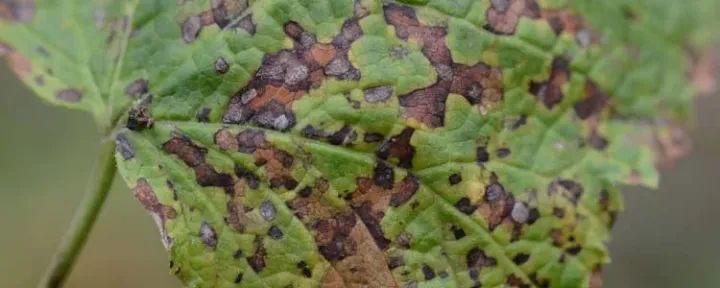
The first and most characteristic symptom is the appearance of numerous small spots on the leaves. Initially, these spots have a round or angular shape, often surrounded by a light or dark border.
The color of the spots varies from dark brown to almost black, distinguishing Drepanopeziza from many other types of leaf spots. As the disease progresses, the affected areas merge, covering a significant portion of the leaf blade.
On the underside of the leaf, small raised structures can often be seen, which are the fruiting bodies of the fungus. Under high humidity, a faint coating of conidial spore mass may appear on the surface of the spots.
In cases of severe infestation, premature yellowing and mass leaf fall occur, starting from the lower crown. The plant loses its aesthetic value and becomes significantly weakened before the onset of winter.
On young shoots, symptoms appear as sunken ulcers or necrotic zones, leading to tissue deformation. Such stem damage significantly impairs the transport of nutrients throughout the plant.
Pathogen
The disease is caused by fungi of the Drepanopezizaceae family, which belong to the class Ascomycetes. Most commonly in agronomic practice, species of the Drepanopeziza genus are responsible for these infections, leading a parasitic lifestyle.
This pathogen primarily affects woody and shrub crops, including poplar, willow, and currant species. The fungus's life cycle includes the formation of apothecia, which develop on fallen leaves after wintering.
The primary source of infection is diseased plant debris, where the fungus survives as mycelium or fruiting bodies. During the growing season, the pathogen spreads through conidia, which are dispersed by wind and rain splashes.
The fungus invades plant tissues through stomata or directly through the epidermis, causing localized lesions. Inside the tissues, a complex mycelium develops, absorbing nutrients from the host plant's cells.
At the final stage of development, new fruiting bodies form within the affected spots, ensuring repeated infection throughout the season. The biology of the fungus allows it to adapt rapidly to varying environmental conditions.
Conditions for development
Drepanopeziza development is favored by high air humidity and frequent rainfall during the spring and summer. Liquid moisture is essential for spore germination and active penetration into the leaf epidermis.
Optimal temperature ranges for active pathogen development are between +15°C and +22°C. Under conditions of moderate warmth and regular rain, epiphytotics can develop at a rapid pace.
Dense plantings, poorly ventilated areas, and a lack of proper agronomic practices create a favorable microclimate for fungal reproduction. Moisture stagnation in the root zone and on the leaf surface significantly increases infection risk.
Strong winds contribute to spore dispersal, carrying conidia over long distances. Primary infections are often recorded in low-lying areas where high humidity persists for longer periods.
Adverse conditions (drought, nutrient deficiencies) weaken plant immunity, making them more vulnerable to Drepanopeziza. The agronomic background plays a critical role in the intensity of disease development.
Why it matters
The main danger of this disease lies in the disruption of photosynthesis due to premature leaf loss. Without sufficient nutrition, the plant cannot accumulate the resources necessary for winter survival.
A significant reduction in the leaf assimilating surface leads to yield losses in berry crops or stunted annual growth in trees. In severe cases, the complete drying out of individual branches is possible.
Constant infection over several seasons leads to the degradation and gradual death of the plantation. This causes direct economic damage to farms and nurseries.
Damaged shoot integrity opens the way for secondary infections, such as bacterial rots or other fungal pathogens. This makes the plant a "target" for complex, multiple infections.
Ornamental crops suffering from severe infection lose their aesthetic appeal, making them unsuitable for use in landscape design and urban gardening.
Protection
The most important preventive measure is the thorough removal and destruction of all fallen leaves in autumn. This is where the bulk of the fungal inoculum winters.
To prevent the spread of the disease, it is necessary to maintain an optimal planting density, ensuring good crown ventilation. Agricultural techniques should be aimed at increasing the overall resistance of the plants.
During the growing season, if the first signs of the disease appear, systemic or contact fungicides should be applied. Copper-based preparations and specialized triazole-class fungicides are the most effective.
- Thinning the crown to improve air circulation.
- Timely sanitary pruning of diseased and dead shoots.
- Using cultivars with genetic resistance.
- Applying balanced fertilizers to strengthen immunity.
Applications should be timed based on weather forecasts, avoiding spraying immediately before rain. Regular monitoring of the plantation allows for the containment of disease outbreaks at an early stage.
Discussion
No discussions yet — be the first.