
Diplodia shoot blight
Diplodia scrobiculata
Description
Symptoms
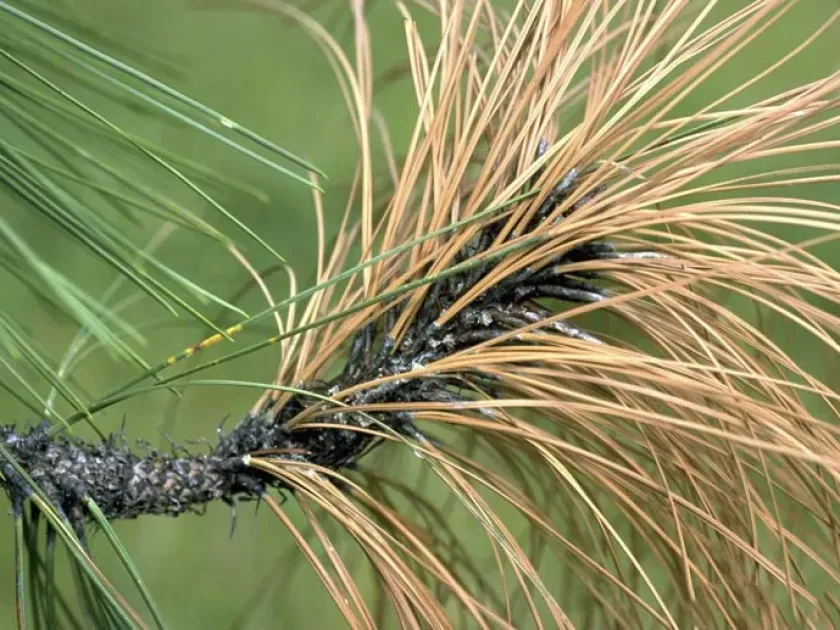
Initial symptoms are often visible in early spring as stunted, discolored new shoots. The needles on these affected shoots turn yellow, then reddish-brown, and eventually wither and die.
A classic diagnostic feature is the presence of stunted and curled needles on the tips of the shoots, which fail to reach their full potential length. The shoots themselves may appear shriveled.
Resin exudation is commonly observed at the base of the infected shoots or on the bark of main branches. This indicates the plant's attempt to isolate the pathogen through natural defenses.
Microscopic examination or close inspection with a hand lens will reveal the presence of small, black, pimple-like pycnidia on the surface of the bark, scales of the cones, or old needles.
Advanced stages of the disease manifest as the death of entire branches or the top of the tree (crown dieback), which significantly alters the shape and overall health of the pine tree.
Pathogen
The causative agent of this disease is the fungus Diplodia scrobiculata, which was formerly classified under the name Sphaeropsis sapinea. It is a pathogenic fungus that primarily targets pine species and other coniferous trees.
The fungus functions as a latent pathogen that can survive for extended periods on dead plant material, including fallen pine cones, needles, and bark debris. These reservoirs serve as the primary source of infection in landscapes.
Reproduction occurs through pycnidia — small, black, dot-like fruiting bodies that appear on infected needles and shoots. These structures release spores that are easily spread by rain splash and wind currents.
The life cycle of Diplodia scrobiculata is characterized by its ability to colonize tissues rapidly once the host tree's defense systems are weakened, either due to environmental stress or physical injury.
Biologically, the fungus produces secondary metabolites and toxins that degrade the host's vascular tissues, ultimately leading to the wilting and death of the colonized pine shoots.
Conditions for development
Moist and warm conditions are ideal for the development and dissemination of the pathogen. Extended periods of rainfall during the growing season significantly increase the risk of infection.
Physical stress is a primary factor in disease outbreaks. Trees suffering from drought, mechanical injury, or environmental pollution have reduced physiological defenses, making them susceptible to infection.
Insects, particularly those that feed on bark or needles, act as vectors or create entry points. These wounds provide direct access for fungal spores to penetrate deep into the cambial layer.
High planting density reduces air circulation within the tree canopy, leading to prolonged moisture retention on the foliage, which is essential for the germination of fungal spores.
Nutrient imbalances, particularly those resulting from improper fertilization practices, can lead to soft, succulent growth that is more easily invaded by the fungus during humid weather.
Why it matters
Diplodia shoot blight causes severe aesthetic damage to pine trees, making them unsuitable for landscaping or ornamental purposes due to the loss of symmetrical crown development.
In forestry, the disease causes significant growth reduction and can contribute to mortality in pine plantations, leading to economic losses in timber production and reforestation projects.
The infection can weaken trees to such an extent that they become secondary hosts for bark beetles and other pests, which may eventually kill the tree entirely through their combined impact.
Because the disease spreads from one branch to another, an untreated infection will progress inward toward the main trunk, posing a lethal threat to the entire specimen over several years.
The continuous production of spores in infected tissues means that a single tree can serve as a reservoir for the infection, jeopardizing the health of all surrounding susceptible pines.
Protection
Sanitation is the most effective management strategy. Pruning out and destroying all dead or visibly infected branches and removing fallen cones from the ground can drastically reduce the spore count.
Promoting general tree vigor through proper watering, mulching, and avoiding root zone compaction helps the tree build natural resistance against the fungus.
Preventative fungicide applications, particularly those containing copper-based compounds, can be used during the spring when buds are expanding to protect them from primary infection.
Pest management is crucial to minimize the number of entry points for the pathogen. Controlling insects that damage bark and needles indirectly aids in preventing the spread of the disease.
For high-value trees, systemic fungicides applied by professionals may be necessary to inhibit fungal growth from within the plant tissues and stop the progression of the dieback.
Discussion
No discussions yet — be the first.