
Black Spot
Diplocarpon rosae
Description
Symptoms
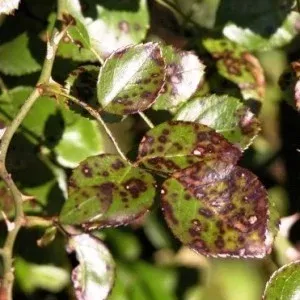
Symptoms initially appear as small, dark brown to black circular spots on the upper surface of the leaves. These spots often develop fringed or feathery margins, which is a diagnostic feature of this disease.
As the infection progresses, the spots enlarge and coalesce, covering significant portions of the leaf area. A distinct yellow halo (chlorosis) usually develops around the black spots, indicating the plant's stress response.
Affected leaves eventually turn yellow and fall prematurely. This often starts at the bottom of the plant and progresses upward, leading to complete defoliation of the lower canopy by mid-summer.
On young shoots, the fungus may cause purple or reddish-brown lesions. These lesions are slightly raised or depressed and signify that the fungus has successfully penetrated the epidermal layers of the stems.
The presence of tiny black pimple-like structures, known as acervuli, can be observed within the centers of the spots when examined closely. These are the fruiting bodies where the fungus produces its spores.
Pathogen
The causal agent of black spot is the ascomycete fungus Diplocarpon rosae. This obligate parasite overwinters as mycelium in infected stems or in leaf debris remaining on the ground from the previous season.
The fungus life cycle involves the production of conidia within acervuli, which rupture the leaf epidermis under high humidity. These spores are then dispersed by splashing water, rain, and overhead irrigation.
Diplocarpon rosae is highly virulent and can infect a wide range of rose varieties. It thrives on both wild and modern garden roses, often becoming a chronic problem if environmental conditions remain favorable.
The pathogen is known for its ability to produce multiple cycles of infection within a single growing season. Each generation of spores can lead to a new wave of infections, potentially defoliating an entire rose plant within weeks.
The fungus primarily attacks the foliage, but severe infections can extend to the green stems and petioles, where the pathogen continues to survive during dormant periods until it can reinfect new spring growth.
Conditions for development
Black spot development is strongly dependent on moisture. Prolonged periods of leaf wetness are essential for the germination of spores and the subsequent infection of leaf tissues.
The disease spreads most rapidly during periods of frequent rainfall, high relative humidity, and temperatures between 18°C and 25°C. Warm, rainy weather is the classic catalyst for severe outbreaks.
Poor air circulation, often resulting from dense planting or growing roses in shaded areas, keeps the foliage wet for longer periods, significantly increasing the probability of infection.
Overhead watering or splashing rain provides the necessary mechanism for spore movement. Once the leaves remain wet for more than 7 hours, the risk of successful colonization by the fungus increases exponentially.
Lack of proper sanitation in the garden allows the disease to persist year after year. Environmental conditions that keep the base of the plant moist and dark are especially conducive to the spread of the pathogen.
Why it matters
The primary damage caused by black spot is the loss of photosynthetic surface area due to premature defoliation. This weakens the plant's ability to produce sugars, leading to stunted growth and reduced vigor.
Severe and chronic defoliation drains the plant's carbohydrate reserves. As a result, the rose produces fewer and smaller blooms, and the overall aesthetic appeal of the plant is destroyed.
Plants affected by black spot exhibit significantly reduced winter hardiness. Because they cannot properly store energy, they are much more susceptible to frost damage and may fail to survive the winter months.
Continuous infection cycles over several years can result in the slow decline and eventual death of the rose bush. The plant becomes more prone to secondary stressors, including other fungal diseases and pests.
Economic damage to gardeners is substantial, as it necessitates repeated applications of fungicides, extra labor for sanitation, and potential removal and replacement of susceptible rose cultivars.
Protection
Integrated pest management (IPM) is crucial for controlling black spot. Selection of resistant rose varieties is the most effective long-term strategy for minimizing disease pressure in the garden.
Strict garden sanitation is mandatory. Fallen leaves must be raked and removed from the site at the end of the season to eliminate the primary source of overwintering inoculum.
Chemical control involves the timely application of protectant and systemic fungicides. Products containing copper, mancozeb, or newer triazole and strobilurin compounds are frequently used to suppress the disease.
Promoting plant health through balanced nutrition, especially adequate potassium levels, helps the plant build stronger cell walls and improves its natural resistance to fungal pathogens.
- Avoid overhead irrigation; water only the soil at the base of the plant.
- Prune rose bushes to increase air circulation and reduce canopy density.
- Mulch beneath the roses to prevent spores from splashing back onto the leaves.
- Regularly inspect the foliage and prune out any symptomatic stems immediately.
- Apply preventive biological treatments (e.g., Bacillus subtilis) throughout the growing season.
Discussion
No discussions yet — be the first.