
Dietelia
Dietelia
Description
Symptoms
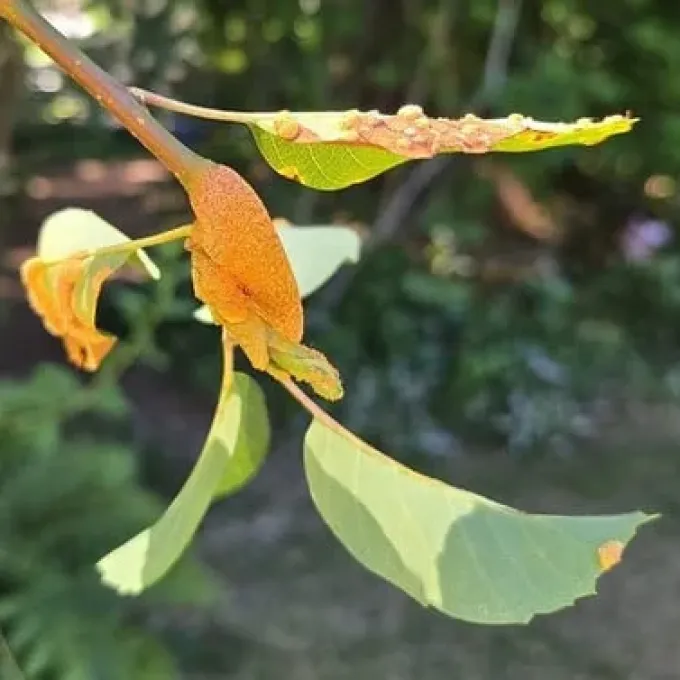
The first clinical signs of Dietelia infection include the appearance of small, localized spots on leaves and stems, which eventually develop into distinct pustules.
As the pustules mature, they rupture the plant epidermis, releasing masses of spores. These spores often form a powdery deposit that can be yellow, brown, or black, depending on the stage of the fungus.
Chlorosis, or yellowing of the leaf tissue, is a common symptom resulting from the pathogen's interference with the plant's photosynthetic process and overall nutrient translocation.
In advanced cases, severe necrosis occurs, leading to drying of leaves, premature senescence, and significant foliage drop. Structural deformation of shoots and buds may also be observed.
Visual identification requires differentiating Dietelia from other rust diseases based on the specific morphology of the fruiting bodies and the distribution patterns of the lesions on the host.
Pathogen
Dietelia is a genus of fungi belonging to the Pucciniomycetes class, commonly known as rust fungi. These organisms are highly specialized obligate parasites that depend entirely on the host plant for survival.
The pathogen infects host tissues by penetrating the epidermis and establishing specialized feeding structures called haustoria. This allows the fungus to absorb essential nutrients directly from the living plant cells.
The life cycle of Dietelia is complex, involving multiple spore-producing stages. These stages allow the fungus to adapt to varying environmental conditions and facilitate efficient dispersal to new host plants.
This fungus is characterized by narrow host specificity, typically affecting species within tropical and subtropical plant families. Its systemic nature often makes early detection difficult for agronomists.
The mycelium persists within the plant tissues or as dormant spores in the soil and crop debris, providing a reliable strategy for the fungus to survive between growing seasons.
Conditions for development
Dietelia thrives under specific environmental conditions, with high humidity being the most critical factor for spore germination and successful penetration of the plant host.
Free moisture in the form of dew, fog, or frequent rainfall provides the necessary medium for spores to become active and initiate the infectious process on the leaf surface.
The optimal temperature range for the development of Dietelia usually falls between 18°C and 25°C, where the fungus exhibits its highest reproductive and growth rates.
Poor agricultural practices, such as high planting density or inadequate airflow, create stagnant microclimates that trap humidity and promote the rapid spread of the disease within the crop.
The presence of weeds or alternative host plants acts as an inoculum reservoir, significantly increasing the risk of an outbreak if the area is not properly managed.
Why it matters
The primary damage caused by Dietelia is the drastic reduction of the plant's photosynthetic area, which limits the production of carbohydrates and essential energy reserves.
Infected plants exhibit stunted growth, reduced vigor, and poor development of reproductive structures, ultimately leading to significant yield losses in commercial agriculture.
Weakened plants are highly susceptible to secondary pathogens, including opportunistic bacteria and other fungi, which may cause complete tissue collapse in severe infestation cases.
Marketability of the agricultural product is severely compromised, as damaged leaves and deformed fruit fail to meet quality standards, resulting in major economic losses.
The cost of implementing emergency control measures, including multiple fungicide applications and extra labor for sanitation, adds to the negative financial impact on growers.
Protection
Integrated pest management strategies for Dietelia focus on strict sanitation, including the complete removal and destruction of crop residues where the pathogen can overwinter.
The selection and cultivation of resistant cultivars remain the most effective and sustainable method for preventing the establishment of the disease in high-risk areas.
Systemic fungicides are recommended for chemical control when the disease threshold is reached; applications must be timely and follow strict label guidelines to ensure effectiveness.
Optimizing plant nutrition by avoiding nitrogen excess and ensuring balanced levels of potassium and phosphorus helps bolster the plant's natural immune response against fungal pathogens.
Regular field scouting and the immediate removal of symptomatic plants can help break the infection cycle and prevent the disease from spreading to healthy parts of the field.
Discussion
No discussions yet — be the first.