
Truffle disease
Diehliomyces
Description
Symptoms
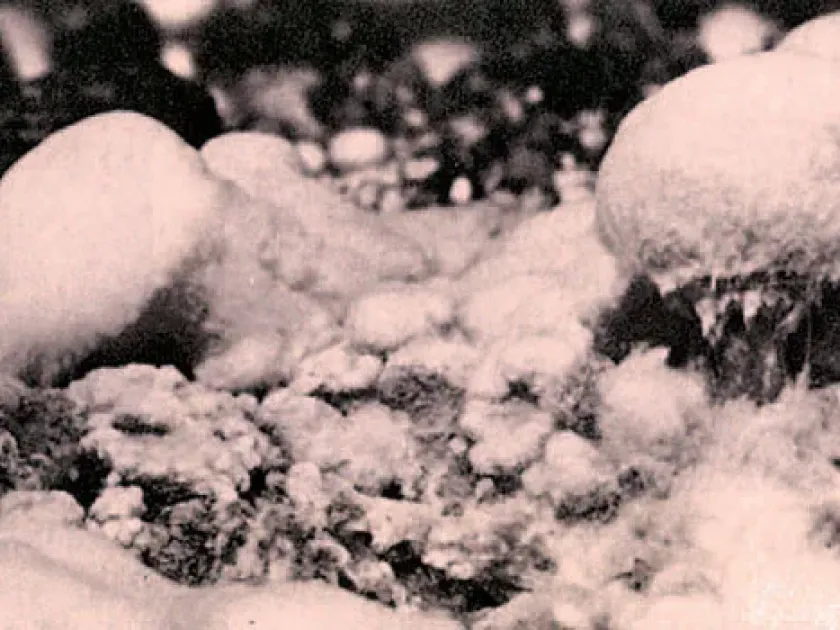
The primary symptom of the disease is the appearance of dense, white to cream-colored patches within the casing layer, which eventually harden over time.
These fungal structures bear a resemblance to the fruiting bodies of truffles, which is the origin of the common name given to this pathology.
As the mycelium of the pathogen colonizes the soil, the cultivated mushroom mycelium is suppressed, leading to a visible decline in mushroom production.
In advanced stages of the infection, a distinct, unpleasant, musty odor is often detected emanating from the affected areas of the mushroom beds.
- Development of dense, white fungal clusters in the casing.
- Significant reduction in mushroom yield.
- Suppression of mushroom mycelium growth.
- Presence of a characteristic musty, unpleasant smell.
Pathogen
The truffle disease is caused by the ascomycete fungus Diehliomyces microsporus, formerly known as Pseudobalsamia microspora. This organism acts as a competitive mold within mushroom beds.
The pathogen is an obligate parasite that specifically targets the mycelium of the cultivated mushroom, competing for space and nutrients in the growing medium.
Its lifecycle involves the production of microscopic spores that are extremely persistent and difficult to eradicate from the environment once established.
The fungus thrives by utilizing the organic nutrients in the compost, effectively starving the mushroom mycelium and inhibiting the formation of fruiting bodies.
Research indicates that the prevalence of this disease has been a long-standing challenge in global mushroom production due to its aggressive nature.
Conditions for development
The development of truffle disease is significantly favored by temperatures higher than those recommended for optimal mushroom growth.
Excessive humidity in the casing layer, coupled with inadequate ventilation in the cropping rooms, provides a perfect environment for spore germination.
Contaminated casing soil is widely recognized as the primary vector for introducing the fungus into the mushroom growing environment.
Poor hygiene practices, such as failing to clean tools or using non-pasteurized materials, facilitate the rapid spread of spores between growing units.
High spore density in the ambient air of the mushroom house can lead to rapid colonization of beds if environmental controls are not strictly maintained.
Why it matters
The economic impact of this disease is severe, as it causes massive crop losses by physically displacing the commercial mushroom mycelium.
The parasite produces metabolites that negatively affect the health of the surrounding mushroom beds, often necessitating the disposal of entire lots.
Because the disease is highly contagious and spreads easily via spores, it can result in total facility shutdowns for deep cleaning and decontamination.
Repeated infestations can cause long-term damage to the productivity of a mushroom farm, making the management of this pathogen a priority for growers.
The difficulty of treating the infection once it has established itself makes prevention the only reliable strategy for maintaining profitability.
Protection
Effective prevention centers on the rigorous pasteurization of all materials, including compost and the casing soil, to eliminate any potential inoculum.
Maintaining a strict sanitary protocol is essential, including the use of footbaths, proper protective clothing, and the disinfection of all tools.
Climate control must be strictly managed, ensuring temperatures remain within the optimal range for the mushroom and avoiding stagnant, overly humid conditions.
Early identification of infection sites is crucial; affected areas should be carefully covered or removed immediately to prevent further spore dissemination.
Post-crop steam sterilization of the entire growing chamber is mandatory to kill any remaining spores and prevent carry-over into the next production cycle.
Discussion
No discussions yet — be the first.