
Didymella leaf spot
Didymella microchlamydospora
Description
Symptoms
The initial signs of infection appear as small spots on leaf blades, which increase in size over time. These spots often have a brown or dark-reddish hue with a distinct dark border, which serves as a key diagnostic feature for this fungal disease.
Under humid conditions, black dots known as pycnidia form in the center of the lesions, containing the pathogen's spores. As the disease progresses, these spots may merge, covering significant portions of the leaf and causing premature yellowing and leaf drop.
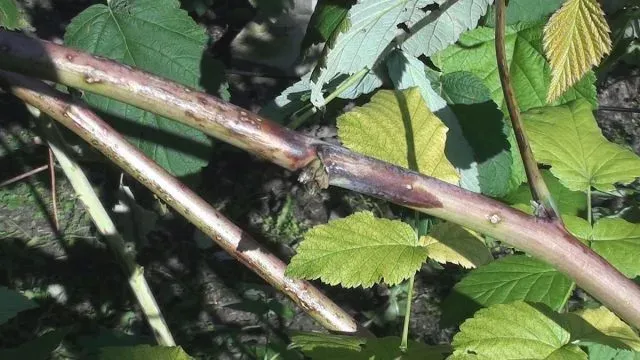
On stems and petioles, the disease manifests as elongated necrotic stripes or lesions that can encircle the shoot. This disrupts the normal transport of water and nutrients, leading to the wilting of the affected plant parts located above the lesion.
Heavy infestation is accompanied by overall stunted plant growth, deformation of young shoots, and a significant reduction in photosynthetic activity. Without early detection, the symptoms spread rapidly to neighboring healthy plants in the field or greenhouse.
Towards the end of the growing season, symptoms become most noticeable on older, lower leaves, which act as the primary reservoir for the infection for the following season.
Pathogen
The causative agent of the disease is the fungus Didymella microchlamydospora, belonging to the class of Ascomycetes. It is a mycelial fungus capable of surviving for long periods in plant debris, soil, and on the surface of seeds.
The pathogen's life cycle includes an asexual stage (pycnidia) and a sexual stage (perithecia), ensuring high adaptability to various climatic conditions. The fungus spores are primarily dispersed by wind and rain splashes.
The fungus actively penetrates plant tissues through natural openings like stomata or via micro-cracks caused by mechanical damage or insect activity. Once inside, the mycelium grows through the intercellular spaces, destroying the host's tissues.
The biology of the pathogen is closely tied to the presence of available moisture on the plant surface, which is essential for conidia germination and the penetration of the infection hyphae. Spore production intensity depends directly on temperature and air humidity.
While this fungus species often shows narrow specialization, it can infect a wide range of crops under conditions of high inoculum pressure, significantly reducing plant vigor throughout the vegetative period.
Conditions for development
High relative humidity, exceeding 70-80%, combined with prolonged rainfall, is a critical factor for the development of epiphytotics. Liquid moisture on leaves for even a few hours is sufficient for successful infection.
A temperature range between +18°C and +25°C is considered optimal for rapid spore germination and tissue colonization. While fungal development slows during extreme temperature fluctuations, the pathogen does not die, entering a state of dormancy instead.
Dense planting schemes that inhibit air circulation and slow the evaporation of moisture from leaf surfaces significantly accelerate the spread of Didymella leaf spot.
Poor soil aeration and waterlogging in the root zone create a favorable microclimate for the activation of the primary infectious background stored in fallen leaves and crop residues.
Inappropriate agricultural practices, such as excessive nitrogen fertilization, induce lush vegetative growth, making plant tissues more succulent and vulnerable to penetration by Didymella spores.
Why it matters
The primary damage lies in a drastic reduction of the functional leaf surface area, which leads to a critical decrease in yield. Plants affected by the leaf spot are unable to accumulate enough sugars to survive the winter successfully.
When stems are affected, the disruption of assimilates transport causes premature wilting and death of fruiting shoots. In severe cases, the entire plant may dry out within a few weeks.
Produce harvested from affected areas loses marketability and shows lower shelf-life during storage. Furthermore, seeds collected from diseased plants can become carriers of the infection for the following year.
Strong disease pressure in nurseries can lead to the loss of a significant percentage of young seedlings, resulting in direct economic losses for agricultural businesses. Weakened plants also become easy targets for secondary pests and opportunistic diseases.
Economic damage is expressed not only in partial crop loss but also in the high cost of control measures, including multiple fungicide applications required throughout the growing season.
Protection
The primary method of control is strict adherence to phytosanitary regulations: timely collection and destruction of crop residues that serve as the main source of primary infection.
Crop rotation and proper spatial isolation between susceptible plant varieties are highly recommended. Maintaining optimal planting density is crucial to ensure adequate airflow around the plants.
Chemical control strategies include preventive and curative fungicide sprays (copper-based compounds, triazoles, strobilurins). Applications should begin at the first sign of symptoms.
- Use only certified, disease-free planting material.
- Regular application of phosphorus-potassium fertilizers to boost natural immunity.
- Pruning and removing heavily infected shoots to reduce inoculum pressure.
- Implementing efficient irrigation methods that avoid overhead watering of leaves.
Biological control methods involve the use of antagonist bacterial preparations, which effectively suppress Didymella mycelium growth at early stages without leaving residues in the harvest.
Discussion
No discussions yet — be the first.