
Fescue leaf spot
Didymella festucae
Description
Symptoms
Initial symptoms of the disease appear as small chlorotic spots on the leaf blades, which gradually transition into brown or dark reddish-brown necrotic lesions.
A characteristic sign is the lighter, grayish center of the lesions, surrounded by a distinct dark margin, which indicates the active growth of the pathogen.
As the disease progresses, these spots often coalesce, covering large areas of the leaf surface, which eventually leads to yellowing and premature drying of the foliage.
On stems, the disease can manifest as elongated necrotic streaks that interfere with the plant's vascular system and hinder the development of reproductive parts.
Under high humidity, small black dots representing the fungal fruiting bodies may appear on the surface of the lesions, visible to the naked eye.
Pathogen
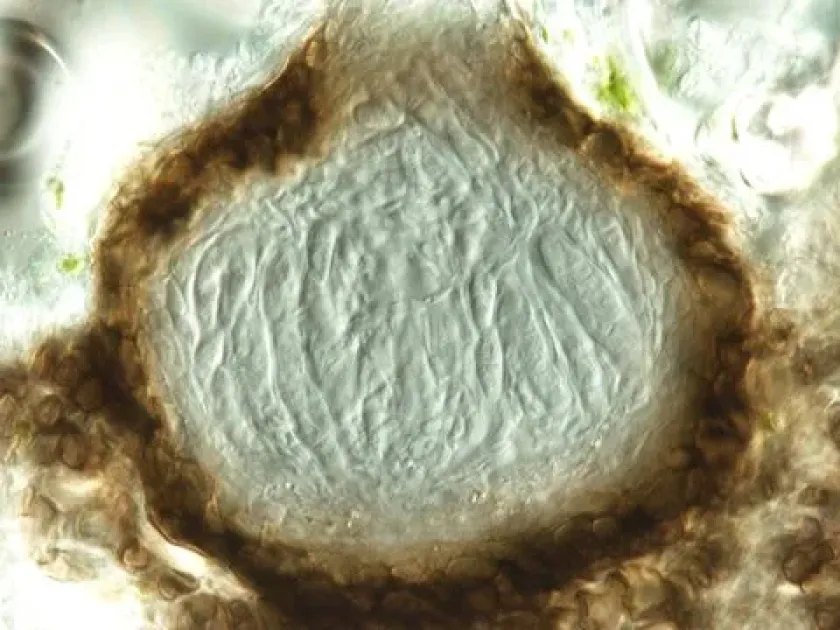
The disease is caused by the fungus Didymella festucae, which belongs to the class Ascomycetes. During its life cycle, the pathogen produces specialized fruiting bodies called pseudothecia on infected plant debris.
This fungus primarily infects various species of fescue (Festuca), although it can occasionally be found on other grass species within agricultural and natural landscapes.
Primary infection typically occurs in the spring when ascospores are released from overwintered pseudothecia and are dispersed by wind currents to healthy plant tissues.
The fungal mycelium penetrates the leaf and stem tissues, colonizing the intercellular spaces and causing extensive structural damage to the host plant.
Later in the season, the fungus produces a conidial stage, which allows for secondary infection spread throughout the growing season under suitable environmental conditions.
Conditions for development
The development of Didymella festucae is strongly dependent on moisture levels in the air and soil. Prolonged wet weather and frequent rainfall are key factors for disease outbreaks.
The optimal temperature range for spore germination and tissue colonization by the fungus is between 15 and 22 degrees Celsius.
Dense crop stands, where air circulation is poor, create a microclimate with high humidity, significantly accelerating the spread of the infection between plants.
Poor lighting and inadequate soil aeration weaken the fescue's natural defenses, making the plants more susceptible to fungal infections.
Accumulated plant debris on the soil surface serves as the primary reservoir for the fungus, ensuring its survival and transmission from one season to the next.
Why it matters
The primary damage caused by leaf spot is the significant reduction in the plant's photosynthetic surface area, which leads to stunted growth and lower biomass production.
Severe infestations result in premature senescence of the foliage, drastically reducing both the yield of green mass and the quality of seed production.
Seeds harvested from heavily infected stands are often shriveled and possess poor germination energy, making them unsuitable for high-quality propagation.
The disease compromises the plant's root system and general vigor, increasing the risk of winter injury and susceptibility to secondary pathogens.
Economic losses arise from both reduced agricultural output and the added costs required for chemical control and potential field renovation.
Protection
Effective management begins with proper crop rotation, which breaks the infection cycle by preventing the continuous cultivation of susceptible grasses in the same area.
Deep plowing and incorporation of harvest residues into the soil are essential to speed up decomposition and reduce the primary inoculum load.
The use of certified, disease-free seed and fungicide-treated planting material is crucial to prevent the initial introduction of the pathogen to new sites.
During the growing season, timely application of systemic fungicides can effectively manage the disease and protect the yield potential of the grass stand.
- Maintaining optimal stand density to improve airflow.
- Balanced fertilization to enhance plant resistance to pathogens.
- Regular mowing to remove infected plant parts and prevent spore buildup.
- Selection and planting of disease-resistant or tolerant fescue cultivars.
Discussion
No discussions yet — be the first.