
Didymella blight
Didymella aliena
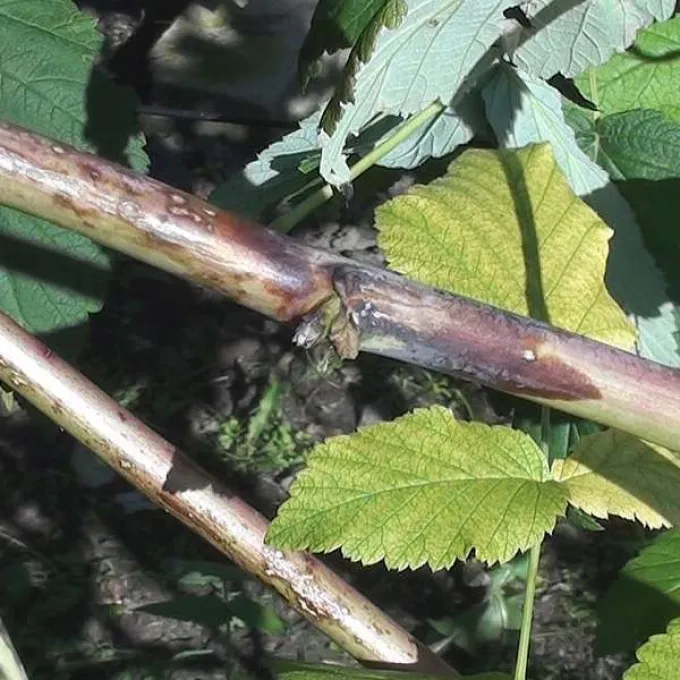
Description
Symptoms
Symptoms of Didymella blight typically begin as small, chlorotic spots on leaves, which gradually enlarge and turn dark brown or greyish in color.
As the disease progresses, these necrotic spots often coalesce, leading to significant dieback of leaf tissue and potentially causing premature abscission.
When the infection spreads to stems or shoots, it can result in the formation of cankers or lesions that weaken the structural integrity of the plant.
Tiny black structures, known as pycnidia, may appear within the center of the lesions, representing the formation of asexual spores for secondary infection cycles.
- yellowing and wilting of affected foliage;
- distorted shoot growth due to stem infections;
- visible fungal growth in high humidity conditions.
Pathogen
The disease is caused by the pathogenic fungus Didymella aliena, which is classified as an ascomycete within the Dothideomycetes class.
This fungus maintains its life cycle by overwintering as mycelium or as fruiting bodies known as pseudothecia on infected plant debris and soil.
The primary inoculum consists of ascospores that are forcibly discharged into the air during periods of moisture, allowing for widespread dispersion across fields.
Once the spores land on a susceptible host, they require a film of free moisture to germinate and penetrate the plant's cuticle or stomatal openings.
The fungus is characterized by its ability to persist in the environment for extended periods, making sanitation an essential component of its management.
Conditions for development
The development of Didymella aliena is heavily influenced by environmental factors, particularly humidity levels consistently above 75 percent.
Warm, rainy weather during the vegetative growth phase provides the most conducive environment for spore germination and rapid mycelial spread.
Poor air circulation within dense canopies prevents leaves from drying quickly after dew or rainfall, creating long-duration wetness that facilitates fungal entry.
Plants under physiological stress, such as those with improper nutrient levels or mechanical wounds, are significantly more susceptible to successful infection.
Shaded areas or locations with poor drainage create microclimates that remain damp for longer, increasing the risk of disease outbreaks in such zones.
Why it matters
The damage caused by Didymella blight is primarily related to the reduction in the plant's photosynthetic capacity due to massive leaf tissue loss.
Severe infections disrupt the transport of nutrients and water, which ultimately leads to stunted growth and lower crop yields in the current season.
Persistent blight issues can weaken the overall vigor of perennial plants, making them more susceptible to cold damage and other secondary environmental stresses.
When the infection reaches the fruit, it results in blemishes and rot, significantly reducing the marketability and quality of the harvested agricultural product.
Chronic infestations require expensive and time-consuming management interventions, often resulting in increased production costs for the grower.
Protection
Integrated pest management starts with rigorous sanitation, including the removal and destruction of all fallen leaves and infected plant parts after harvest.
Pruning strategies should aim to open the canopy to improve air circulation, thereby reducing the time leaf surfaces remain wet and vulnerable to infection.
Optimizing irrigation practices, such as switching to drip systems, is highly recommended to minimize leaf wetness and decrease fungal pressure.
Chemical control involving the targeted application of appropriate fungicides is necessary when environmental conditions remain conducive to disease outbreaks.
Cultivating resistant or tolerant varieties serves as a long-term strategy to minimize the reliance on chemical inputs and ensure sustainable crop protection.
Discussion
No discussions yet — be the first.