
Didymascella leaf blight
Didymascella
Description
Symptoms
The initial symptoms appear as small, yellowish or light brown spots on the scale-like leaves, which gradually darken as the fungal infection progresses.
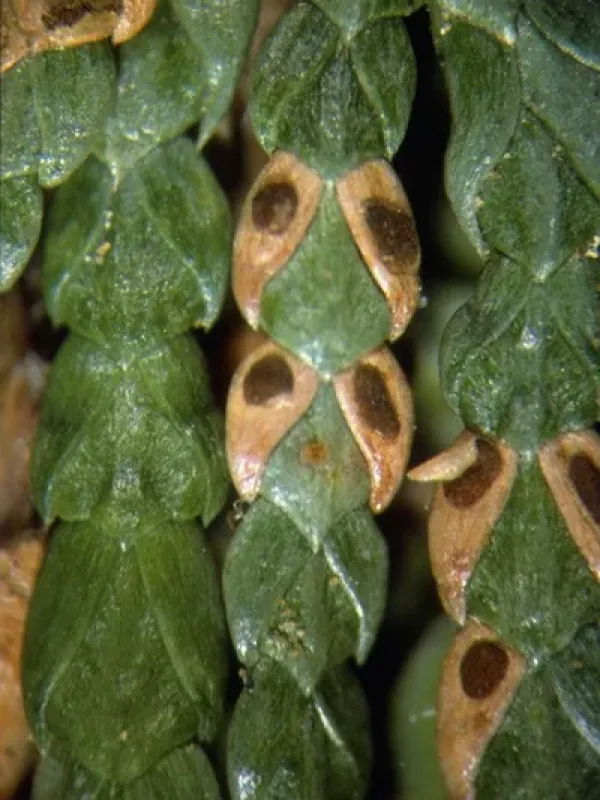
A distinctive feature of this blight is the presence of numerous small, dark-brown or black, slightly raised cushions on the surface of the infected needles.
As the infection advances, the affected foliage turns brown, dries out, and eventually falls off, leaving the branches bare and unsightly.
Damage typically begins in the lower, more humid parts of the canopy and may move upwards if the environmental conditions remain supportive of the fungus.
- Yellowish spotting on foliage
- Dark, raised fungal fruiting bodies (apothecia)
- Browning and drying of needles
- Premature needle drop
- Sparse and weak canopy appearance
Pathogen
The disease is caused by the ascomycete fungus Didymascella thujina. It is a specialized pathogen that primarily targets the foliage of Thuja and other members of the Cupressaceae family.
The fungus completes its life cycle within the foliage, producing small, dark apothecia that erupt through the epidermis of the leaves to release spores.
This pathogen is highly persistent, capable of surviving on fallen needles and infected branches throughout the dormant season, serving as a primary source of inoculum.
Spores are dispersed by wind and rain splash, allowing the fungus to infect new growth during the warmer months of the year when conditions are favourable.
The biological characteristics of this fungus are well-adapted to humid environments, making it a significant threat in nurseries where plant density is high.
Conditions for development
Didymascella leaf blight thrives in cool, wet weather, which provides the necessary moisture for the spores to germinate and penetrate the host tissue.
High plant density and poor air circulation are critical factors that exacerbate the severity of the disease by maintaining high humidity within the canopy.
Prolonged periods of rain or mist create an ideal microclimate for the fungus to spread rapidly, especially in crowded nursery settings or shaded garden areas.
Improper irrigation practices, such as overhead watering during overcast days, significantly increase the risk of infection by keeping the foliage wet for extended periods.
Stressed or poorly managed plants are often more susceptible to colonization, as the pathogen exploits the weakened defenses of the host tree.
Why it matters
This disease causes significant economic loss in the horticultural industry by ruining the aesthetic value of ornamental Thuja and Juniper specimens.
Chronic infection reduces the photosynthetic capacity of the plants, leading to stunted growth and a general decline in the overall vigor of the host.
In nurseries, severe outbreaks can lead to the total loss of young stock, as the repeated loss of foliage eventually exhausts the tree's reserves.
The necessity for frequent fungicide applications increases production costs and may lead to environmental and labor-related management challenges.
The blight negatively impacts the marketability of the plants, rendering them unsuitable for sale and leading to direct financial repercussions for growers.
Protection
The primary management strategy involves improving air circulation through proper spacing and pruning to reduce humidity around the plant canopy.
Strict sanitation measures, including the raking and destruction of all fallen foliage and prunings, are essential to reduce the local inoculum load.
Fungicide treatments, particularly those using copper-based or systemic products, are effective when applied preventively during the spring and early summer.
Regular monitoring of the foliage is crucial for early detection, allowing for quick action before the infection spreads to the entire plant or neighboring trees.
Maintaining optimal tree health through proper fertilization and watering, while avoiding overhead irrigation, helps the plant resist and recover from infections.
Discussion
No discussions yet — be the first.