
Diaporthales fungi
Diaporthomycetidae
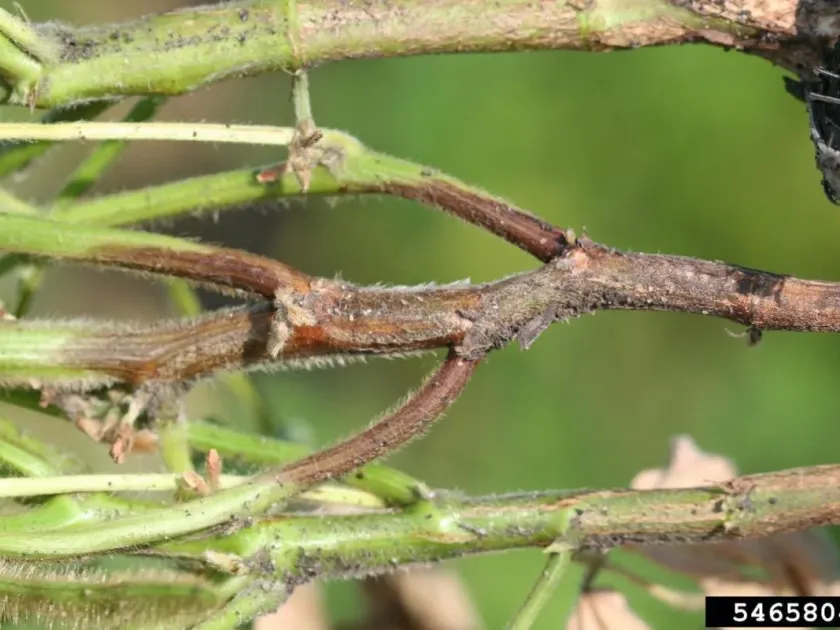
Description
Symptoms
Common symptoms include the formation of necrotic lesions on stems and twigs, which often expand and girdle the affected part of the plant.
The presence of small, pimple-like structures on the surface of the infected tissue indicates the development of pycnidia or perithecia.
Infected trees often exhibit branch dieback and the development of perennial cankers, characterized by cracks and structural weakness in the bark.
Fruit symptoms typically involve localized browning or rotting, which may lead to the eventual shriveling or mummification of the harvest.
- Wilting of stems or entire branches.
- Premature yellowing and leaf fall.
- Sunken lesions with distinct margins on stems.
Pathogen
Diaporthales is an order of ascomycete fungi within the subclass Diaporthomycetidae. These fungi are well-known plant pathogens capable of infecting a wide variety of agricultural and horticultural crops.
They typically produce perithecia, which are fruiting bodies often embedded in the host tissue, providing protection against environmental stress during their development.
The reproduction cycle includes both sexual and asexual stages, with conidia being the primary drivers of secondary spread during the active growing season.
These pathogens often colonize woody tissues, stems, and fruits, utilizing specialized enzymes to break down plant cell walls and penetrate deeper into the host.
Many species are capable of surviving in dead organic matter, making them persistent and difficult to eradicate from farming environments once established.
Conditions for development
Diaporthales fungi thrive in warm, humid conditions where leaf wetness periods are prolonged, facilitating spore germination and infection.
Rain splash and wind are the primary vectors for dispersing conidia from infested debris to healthy plant tissues during the spring and summer.
Physical wounding of the plant from insect feeding, mechanical pruning, or extreme weather events creates prime entry points for the fungal mycelium.
Dense crop canopies that limit air circulation create a microclimate with high humidity, significantly accelerating the spread of the disease.
Plants under physiological stress, such as those suffering from drought or nutrient deficiencies, show increased susceptibility to infection by these fungi.
Why it matters
The primary impact of these diseases is the reduction of total crop yield and the loss of product quality due to necrosis and fruit rot.
For perennial crops, the disease can lead to chronic decline, eventually killing the plant after several years of structural damage and stress.
Infected plants are often severely weakened, making them susceptible to attack by secondary pathogens and environmental factors like winter kill.
Large-scale outbreaks can result in significant economic losses for producers, requiring substantial investment in fungicide applications and crop replacement.
Storage rot caused by these fungi remains a major issue for post-harvest logistics, reducing the shelf life of fresh produce in the marketplace.
Protection
Effective management begins with sanitation: the prompt removal and destruction of all infested plant material to reduce the overall inoculum load.
Proper pruning techniques should be applied to open up the canopy, improving airflow and reducing the humidity levels favorable to fungal growth.
Routine fungicide programs, particularly those targeting early infection stages, are essential for maintaining crop health in high-risk environments.
Balanced fertilization and irrigation help plants maintain strong defenses against pathogen entry and spread throughout the growing season.
The use of disease-resistant varieties is recommended as a sustainable approach to minimizing reliance on chemical interventions over time.
Discussion
No discussions yet — be the first.