
Phomopsis stem blight of lupin
Diaporthe toxica
Description
Symptoms
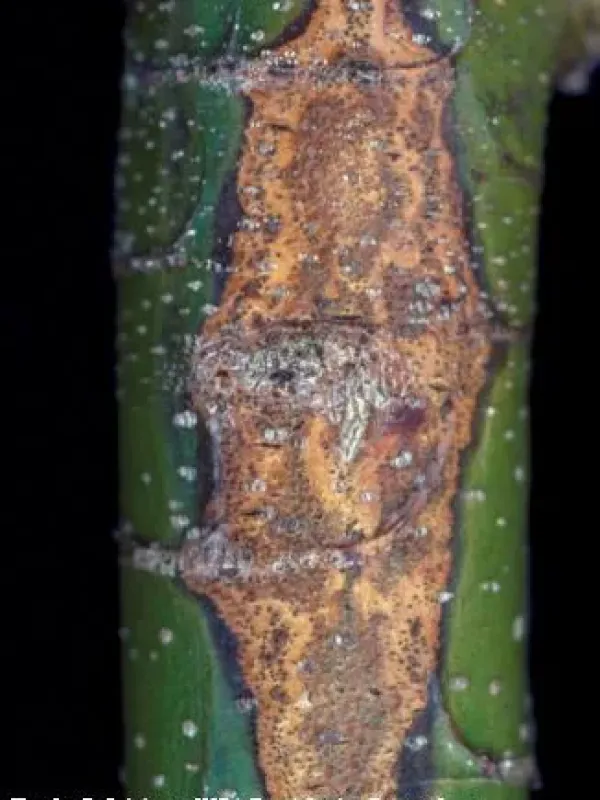
Initial symptoms include the appearance of brown or grey spots on the stems, which gradually expand into larger lesions across the stem surface.
Small black dots, known as pycnidia, appear in rows along the stems as the disease progresses, serving as a reliable diagnostic feature for identification.
Severely infected plants exhibit premature drying, leaf drop, and stunted growth, leading to overall poor development of the crop canopy.
The internal vascular tissues are destroyed by the fungal mycelium, which disrupts the transport of water and nutrients, ultimately killing the plant.
Seeds from infected plants are often discolored and may carry the pathogen, significantly reducing germination rates and overall seed vigor.
Pathogen
The causal agent of this disease is the fungus Diaporthe toxica (anamorph Phomopsis leptostromiformis), a pathogen that specifically targets lupin species.
The fungus survives in crop residues and seeds, remaining viable in the soil for several seasons, which makes it a persistent threat to lupin fields.
The pathogen is notable for producing hepatotoxic mycotoxins known as phomopsins, which pose a severe risk to livestock consuming infected lupin plant material.
Infection spreads through pycnidiospores produced in pycnidia, which are small fruiting bodies that develop on the surface of infected lupin stems.
The biological cycle of the fungus is characterized by its ability to act as a saprophyte on dead residues and a necrotroph on living plants, depending on environmental triggers.
Conditions for development
High humidity and frequent rainfall during the vegetative growth stage are the primary drivers for the development and spread of Diaporthe toxica.
Optimal temperatures for spore germination and infection range between 18°C and 25°C, making the mid-to-late summer period particularly vulnerable.
Dense crop stands create a humid microclimate near the soil surface, which prevents moisture from evaporating and promotes the rapid spread of the fungus.
Mechanical damage to stems caused by insects or field machinery creates entry points for the pathogen, accelerating the infection process in the field.
Prolonged wet weather conditions during the pod-filling phase significantly increase the risk of a widespread disease outbreak.
Why it matters
The primary harm is not only the reduction in seed yield and quality but also the accumulation of phomopsins, rendering the crop toxic for feed.
The disease causes thinning of the crop stand, which allows weeds to proliferate and further reduces the competitive potential of the lupin plants.
Economic losses are compounded by the potential rejection of infected grain batches by processors and livestock producers due to safety standards.
Losses in protein yield per hectare occur due to the poor development of pods and seeds on infected lupin plants.
Additional costs associated with fungicide applications and seed treatment significantly impact the overall profitability of the crop production.
Protection
Using high-quality, fungicide-treated seed is the first and most critical line of defense against the introduction of the pathogen into new fields.
Implementing a strict crop rotation cycle with a minimum of 3-4 years between lupin crops helps to significantly reduce the fungal inoculum in the soil.
Selecting lupin varieties with known genetic resistance to Diaporthe toxica is the most sustainable approach for long-term disease management.
- Deep tillage to bury crop residues and reduce survival sites for the fungus.
- Control of stem-boring insects that create entry wounds.
- Timely application of fungicides during the active growth phase if infection is detected.
Harvesting the crop as early as possible and under dry conditions minimizes the duration of exposure to the pathogen in the field.
Discussion
No discussions yet — be the first.