
Lupine phomopsis
Diaporthe leptostromiformis
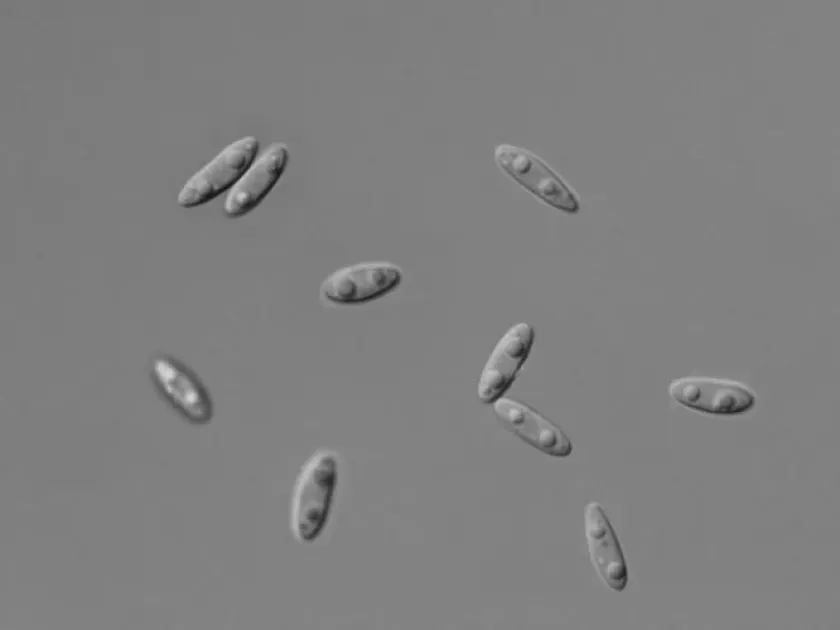
Description
Symptoms
Initial disease signs appear as dark or brown spots on stems, petioles, and pods. As the infection progresses, these spots expand, covering significant areas of plant tissue.
A characteristic symptom of phomopsis is the formation of numerous tiny black dots, known as pycnidia, on the surface of affected stems. These are arranged randomly and are clearly visible to the naked eye.
Severely affected plants wither prematurely; their stems become brittle and break easily under mechanical stress. In advanced stages, complete necrosis of vegetative organs occurs.
When pods are affected, the fungus penetrates inside, causing seed deformation. Grains from infected plants often appear shriveled, have reduced germination rates, and may be covered in fungal growth.
- Browning of the basal stem area.
- Appearance of black pycnidia on dead tissues.
- Deformation and premature drying of pods.
Pathogen
The causative agent of the disease is the ascomycete fungus Diaporthe leptostromiformis (anamorph Phomopsis leptostromiformis). This is a highly specialized pathogen affecting various lupine species.
The infection persists in the soil on crop residues and can also be transmitted via infected seeds. The fungus is highly resilient, remaining active in stubble for several seasons.
The fungal life cycle involves the formation of perithecia, where spores mature and are easily spread by wind and rain splashes, ensuring rapid disease dissemination over long distances.
The pathogen penetrates plant tissues through mechanical injuries or natural openings, after which the mycelium develops actively, destroying the structure of stems and pods.
The disease primarily affects yellow, white, and narrow-leaf lupine crops, making it one of the most serious limiting factors in the production of this legume.
Conditions for development
Phomopsis development is favored by warm and humid weather. Optimal conditions for plant infection occur during periods of prolonged rainfall and high relative humidity.
The fungus is most active within a temperature range of +18°C to +25°C. Under these conditions, the incubation period is shortened, leading to massive infection outbreaks.
Poor agricultural practices, particularly high plant density, create a microclimate with increased humidity within the canopy, which promotes rapid pathogen spread.
Weakened plants, suffering from nutrient deficiencies or pest damage, become more susceptible to invasion by Diaporthe leptostromiformis mycelium.
The spread of spores within the field is intensified by strong winds that carry conidia from primary infection sources to healthy plants.
Why it matters
Lupine phomopsis poses a massive threat because it causes not only sharp yield declines but also the accumulation of toxic substances in the plants.
The main threat is the production of lupinosis, a dangerous mycotoxin. Livestock consumption of feed made from infected lupine leads to severe poisoning and potential death of the animals.
Yield loss occurs due to pod underdevelopment, plant mortality, and deterioration of seed quality. During severe epidemic years, losses can reach 50–80%.
Seed infection leads to a significant decrease in germination, making such material unsuitable for planting and necessitating additional costs for cleaning and fungicide treatment.
The economic significance of this disease is extremely high, as it restricts the use of lupine as a valuable protein-rich feed source for animal husbandry.
Protection
The primary protection method is the use of healthy, certified seed material that is free from hidden fungal infections.
Implementing a crop rotation strategy with a break of at least 4–5 years before returning lupine to the same field helps significantly reduce the soil infection background.
Deep plowing with thorough burial of crop residues promotes faster decomposition of the fungus and reduces the risk of primary field infection.
The application of modern fungicides for seed dressing and foliage spraying during the growing season is a necessary element of intensive cultivation technologies.
Developing and introducing lupine varieties with genetic resistance to phomopsis is considered the most effective and economically viable method of disease control.
Discussion
No discussions yet — be the first.