
Fig diaporthe canker
Diaporthe cinerascens
Description
Symptoms
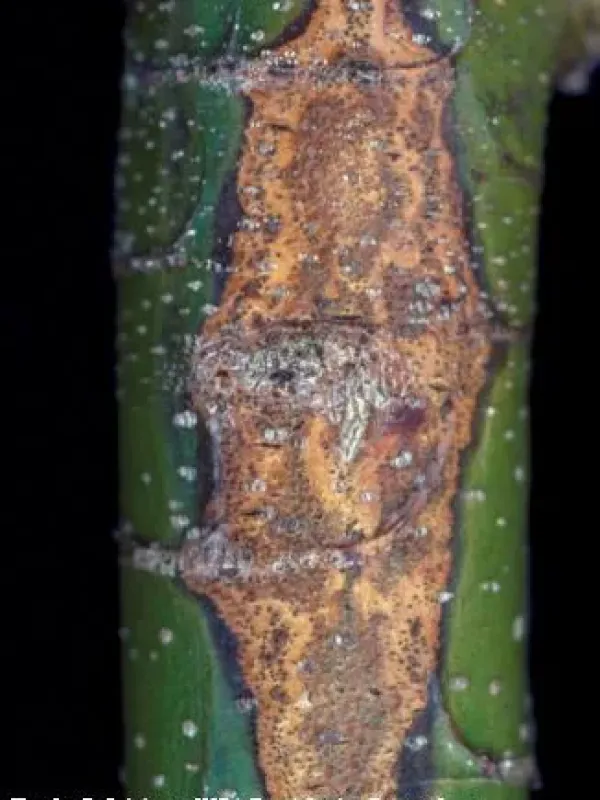
Initial symptoms include the appearance of localized depressions or cankers on the bark of shoots and branches. These areas often appear darkened and slightly sunken compared to the surrounding healthy bark.
As the infection progresses, small, black, eruptive structures known as pycnidia develop on the surface of the cankers. These structures release spores that facilitate the spread of the pathogen.
Foliage on affected branches shows signs of chlorosis, followed by wilting and necrosis. This occurs because the fungal colonization interferes with water and nutrient transport, leading to branch dieback.
Internal wood inspection often reveals brown to dark-stained tissues, indicating the depth of the fungal invasion into the plant's vascular system.
- Sunken necrotic lesions on bark.
- Presence of black fruiting bodies (pycnidia).
- Wilting and dieback of individual branches.
- Yellowing and premature abscission of leaves.
- Brown vascular discoloration in cross-sections of wood.
Pathogen
The disease is caused by the ascomycete fungus Diaporthe cinerascens (anamorph Phomopsis cinerascens). This pathogen specifically targets Ficus species, invading the wood and bark tissues of the host plant.
The fungus survives as mycelium and pycnidia within the infected bark and wood remnants. It is capable of producing spores across a wide range of weather conditions, provided there is enough moisture.
Infection spreads through conidia, which are dispersed by rain splashes, wind currents, and contaminated pruning equipment, making mechanical contact a primary vector of transmission.
The fungus initiates infection primarily through wounds, such as those caused by pruning, winter freezing, or sunscald. Once inside, the hyphae spread through the vascular tissues, effectively choking the plant's nutrient transport system.
Metabolic activity of the fungus produces toxic compounds that lead to tissue degradation and necrosis, resulting in the characteristic canker symptoms observed on infected branches.
Conditions for development
The disease thrives in environments with high relative humidity and moderate temperatures ranging from 18°C to 25°C, which are typical for spring and autumn seasons.
Plants under environmental stress, such as those suffering from drought, nutrient deficiency, or poor soil drainage, are significantly more susceptible to infection by Diaporthe cinerascens.
Dense canopies that lack sufficient airflow retain surface moisture longer, creating a conducive environment for spore germination and colony establishment on the bark.
Neglecting tree hygiene, such as leaving pruning wounds exposed and failing to disinfect tools, drastically increases the risk of successful fungal invasion.
Severe winter cold followed by a wet spring provides both the entry points (via freeze-damaged wood) and the moisture required for the pathogen to thrive early in the growing season.
Why it matters
The primary impact of diaporthe canker is the steady decline of the tree, starting from branch dieback and eventually leading to the death of the entire plant if untreated.
It significantly reduces the photosynthetic efficiency of the tree by destroying leaves and twigs, which directly results in lower fruit quality and yield reductions.
Infected branches become structurally weak and brittle, increasing the risk of breakage during windstorms and causing further mechanical damage to the remaining healthy crown.
The presence of the fungus in an orchard serves as a persistent reservoir, endangering neighboring trees and complicating orchard management practices.
High levels of infestation necessitate significant labor and resource costs for removal and disposal of infected materials, impacting the overall profitability of fig cultivation.
Protection
Sanitation is the most critical management practice: prune out all infected branches, cutting well into the healthy wood, and incinerate the debris to destroy fungal spores.
All pruning wounds should be sealed with appropriate fungicide-treated pastes or wound sealants to prevent new infections from entering the cut surfaces.
Preventative applications of copper-based fungicides can be effective if applied during the early spring before bud break and after major harvest periods.
Maintain tree vigor through balanced fertilization and adequate irrigation to ensure the plant has sufficient energy to defend against fungal attacks.
Always sanitize pruning shears, saws, and other gardening tools using a disinfectant solution between cuts on different trees to prevent cross-contamination.
Discussion
No discussions yet — be the first.