
Soybean Phomopsis
Diaporthe caulivora
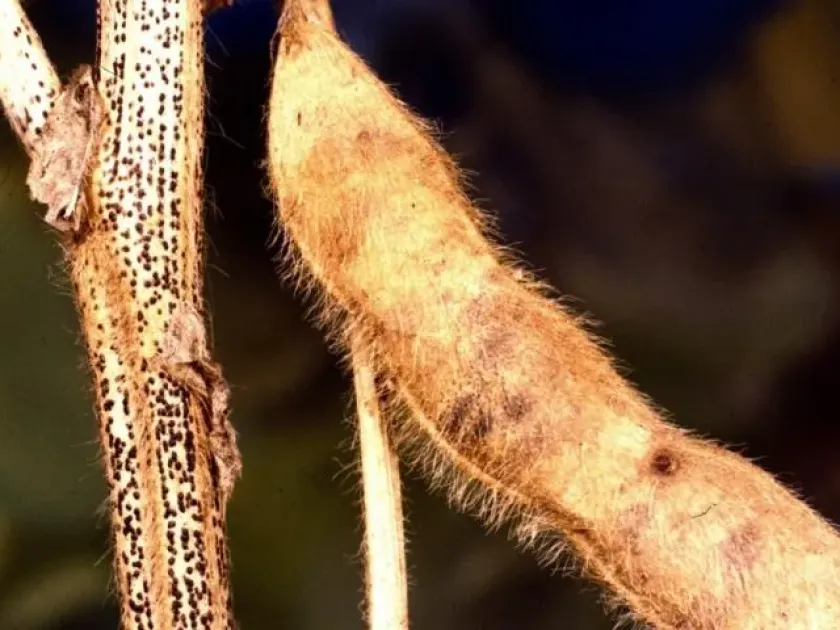
Description
Symptoms
Initial visual symptoms appear as discolored patches near the stem nodes. Over time, these lesions enlarge, turn brown, and eventually girdle the entire stem circumference.
A key diagnostic feature is the presence of numerous tiny black dots known as pycnidia on the affected stem and pod tissues, often arranged in longitudinal rows.
In later stages, the stems become brittle and break easily. Leaves on infected plants may turn yellow, curl, and drop prematurely, severely hindering the plant's photosynthetic capacity.
When pods are affected, they often show stunted growth, shriveled hulls, and reduced seed mass. The seeds produced inside these pods are typically small, weak, and poor in quality.
- Stem node discoloration
- Appearance of black pycnidia
- Premature plant wilting
- Stem brittleness and lodging
- Deformed and underdeveloped pods
Pathogen
The causative agent of this disease is the ascomycete fungus Diaporthe caulivora (anamorph Phomopsis longicolla). This pathogen is a specialized parasite primarily affecting soybean crops.
The infection survives in crop residues, soil, and on the surface of seeds. Overwintering structures, such as perithecia and pycnidia, serve as the primary source of initial infection during the spring season.
Throughout its life cycle, the fungus produces conidia which are disseminated by rain splash and wind. Active infection typically occurs through micro-cracks or natural openings in the plant tissues.
The fungus mycelium penetrates deeply into the vascular system of the host plant, disrupting the transport of water and nutrients. This interference leads to progressive wilting and eventual death of stems or whole plants.
The development of the fungus is closely linked to the physiological state of the soybean. The pathogen is most aggressive during the flowering and pod-filling stages when the plant's metabolic activity is at its peak.
Conditions for development
Soybean Phomopsis thrives under conditions of high humidity and moderate temperatures. The optimal range for spore germination and spread is between +20°C and +25°C.
Prolonged rainfall during the flowering stage creates an ideal environment for conidia to germinate and infect the crops. Dense, overcrowded stands suffer from poor aeration, which significantly increases the risk of outbreaks.
Poor crop rotation practices are a critical factor contributing to the buildup of inoculum in the soil. Planting soybeans in the same field more frequently than every 3-4 years drastically increases disease pressure.
Nutritional deficiencies, particularly potassium, weaken the plant's immune system, making it more susceptible to fungal mycelium penetration.
Weeds belonging to the legume family can act as alternative hosts, harboring the fungus during the off-season and maintaining the disease cycle.
Why it matters
The primary economic impact of Phomopsis is a significant reduction in grain yield. Losses can range from 15% to 50% depending on disease severity and the environmental conditions of the growing season.
The disease drastically reduces seed quality. Seeds harvested from infected plants exhibit low germination rates and poor vigor, often carrying the infection into subsequent planting seasons.
The reduction in thousand-seed weight is a direct consequence of disrupted nutrient delivery to the reproductive organs due to stem damage.
Brittle, infected stems lead to widespread plant lodging, which complicates mechanized harvesting and results in substantial harvest losses.
Toxins produced by the fungus during its growth can degrade the biochemical composition of the seeds, reducing oil and protein content, thereby lowering the overall market value of the crop.
Protection
The fundamental strategy for control is the use of high-quality, certified seeds that have undergone thorough phytopathological testing and fungicide seed treatment.
Strict adherence to crop rotation is essential. It is recommended to avoid planting soybeans after other legumes and to maintain a minimum three-year interval between soybean crops in the same field.
Effective agrotechnical practices include deep plowing of plant debris, which effectively eliminates the primary substrate for Diaporthe caulivora to overwinter.
Fungicide application during the growing season is justified at the first signs of disease or when weather forecasts favor fungal development. Triazole and strobilurin-based products are highly effective.
Breeding and utilizing resistant soybean varieties remains the most cost-effective and sustainable way to minimize the need for chemical interventions and ensure long-term crop protection.
Discussion
No discussions yet — be the first.