
Dialonectria
Dialonectria
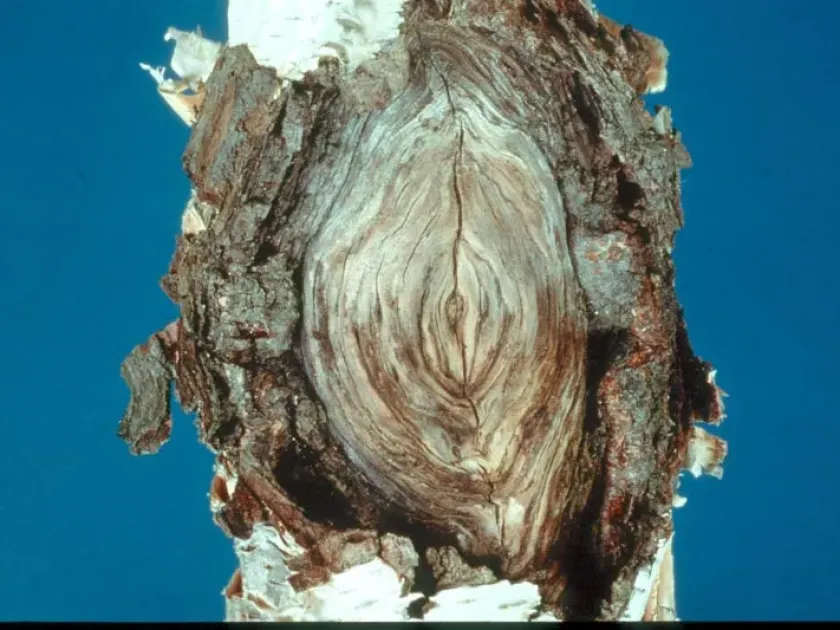
Description
Symptoms
The most visible symptoms include necrotic lesions on stems, branches, and trunks, which eventually develop into distinct, often deep, cankers. These cankers are frequently characterized by concentric rings of callus tissue forming around the necrotic zone.
Affected branches often exhibit wilting and premature leaf drop due to the disruption of water and nutrient transport. In severe cases, the entire branch or limb may die back, appearing brittle and dry compared to healthy growth.
During humid weather, small reddish or orange fruiting bodies become visible on the surface of the infected bark. These are diagnostic indicators of the fungus, confirming the presence of an active Dialonectria infection.
Cracking and splitting of the bark around the lesion area are common as the fungus consumes the underlying cambium layer. Exudation of dark, viscous sap is often observed as the plant attempts to seal off the damaged tissues.
- Dark, necrotic patches on the bark and stems.
- Deep canker wounds with raised, callus-rich edges.
- Yellowing and early shedding of leaves.
- Bright red perithecia on the bark surface.
Pathogen
The disease is caused by fungi of the genus Dialonectria, which are members of the Ascomycota phylum. These pathogens are frequently found in soil and on decaying plant material, behaving as saprophytes until they encounter vulnerable or injured host tissues.
The life cycle of the pathogen involves the production of perithecia, which are small, reddish-orange fruiting bodies. These structures allow the fungus to survive under harsh environmental conditions throughout the winter months.
Dissemination primarily occurs via ascospores and conidia, which are easily transported by wind and splashing rainwater. Upon landing on a suitable host, these spores germinate and infiltrate the plant's vascular system, leading to systemic infection.
The fungus is known for its ability to produce various metabolites, including toxins that interfere with the host plant's metabolism. This physiological stress weakens the plant, making it even more susceptible to secondary invasions by other pathogens.
Genetic diversity within the Dialonectria species allows them to adapt effectively to various environmental conditions and resistance mechanisms of different host plants. Proper identification often requires laboratory analysis of these fruiting bodies.
Conditions for development
High humidity and moderate temperatures provide optimal conditions for the germination and spread of Dialonectria spores. Consequently, wet spring and autumn seasons are typically associated with increased disease outbreaks.
Mechanical injuries, such as those caused by improper pruning, hail damage, or bark splitting from cold weather, serve as primary entry points for the pathogen. Without proper wound healing, these sites quickly become colonized by the fungus.
Dense planting schemes that prevent proper airflow through the canopy create a microclimate with stagnant, humid air, which significantly encourages fungal development. Inadequate sanitation allows the pathogen to persist in fallen leaves and dead wood.
Plants under environmental stress, particularly those suffering from drought or nutrient deficiencies, are significantly more vulnerable. A lack of potassium and excess nitrogen can lead to succulent growth that is less resistant to fungal penetration.
Temperature ranges between 15°C and 20°C are particularly conducive to the rapid expansion of fungal mycelium within the plant tissues. During these windows, constant monitoring for early signs of infection is critical.
Why it matters
The disease causes substantial damage to orchard productivity by limiting tree vigor and overall longevity. Cankers weaken structural branches, making them prone to snapping under heavy crop loads or strong winds.
Systemic infections significantly impact fruit quality, causing smaller, deformed yields that do not meet market standards. The continuous energy expenditure required for the plant to combat the infection leads to overall decline and reduced growth rates.
In high-pressure scenarios, Dialonectria can lead to the death of entire trees, necessitating expensive tree removal and site sanitation. The disease can spread rapidly throughout a block if prompt containment actions are not taken.
The presence of such infections often precludes the plant from reaching its full economic potential, as the cost of management and loss of fruit outweighs the input costs. Furthermore, it serves as a persistent reservoir for reinfection.
Economic losses also stem from the labor costs required for manual surgery of the trees and the repetitive application of specialized fungicides. Such management strategies are essential but decrease the net profitability of the operation.
Protection
The cornerstone of management is strict sanitary pruning, involving the removal and immediate destruction of all infected wood. It is crucial to sanitize all tools between cuts to prevent mechanical transmission of spores.
Balanced fertilization, avoiding excessive nitrogen, helps maintain structural integrity and reduces the formation of overly succulent, vulnerable tissues. Adequate potassium levels enhance the tree's natural defense mechanisms.
Chemical control involving copper-based sprays or systemic fungicides should be applied during critical dormant or growth phases to protect open wounds. These applications are vital in preventing new infections from establishing.
Protecting the tree trunk from environmental damage, such as sunscald, using white paint or wraps, prevents the entry of the fungus. Maintaining healthy bark is a fundamental preventive measure against Dialonectria.
Regular monitoring of the orchard is necessary to identify early symptoms and take immediate action. In severely affected areas, selecting resistant rootstocks and cultivars is the most sustainable approach for long-term control.
Discussion
No discussions yet — be the first.