
Deightoniella
Deightoniella
Description
Symptoms
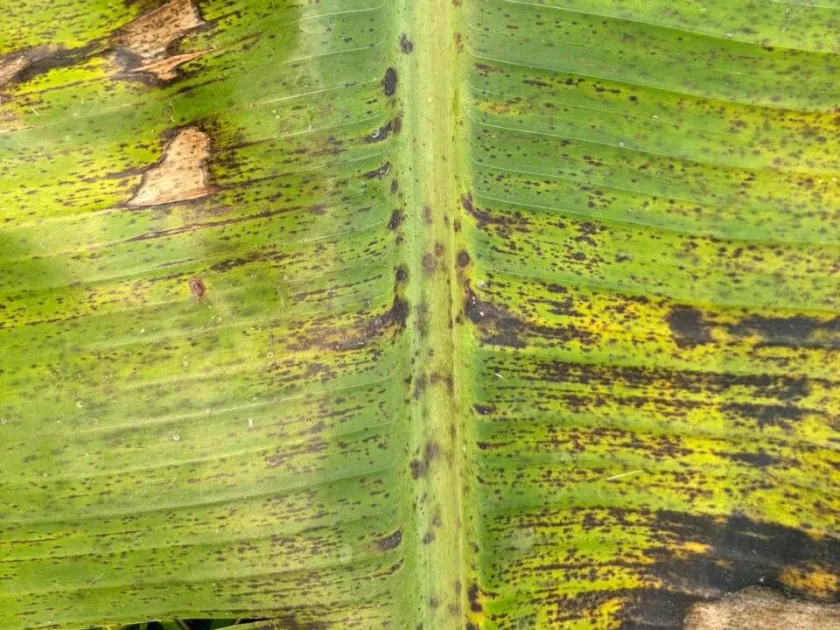
The primary symptom of a Deightoniella infection is the appearance of small, dark brown or black spots on the leaves. These spots gradually expand, often forming irregular patterns that can coalesce, causing significant tissue death.
As the infection progresses, a yellow chlorotic halo often forms around the dark lesions. This discoloration is a visible sign of the stress the plant is experiencing due to the toxic metabolites produced by the fungus.
On stems and stalks, the disease manifests as sunken lesions that can weaken the plant's structural integrity. This can lead to stem breakage or premature lodging in severe cases of infestation.
Fruit infection is characterized by dark, depressed spots that can eventually become covered in a dark, velvety layer of fungal spores. This significantly lowers the marketability and quality of the harvested produce.
- small dark spots on leaves
- yellowing (chlorosis) around lesions
- sunken necrotic tissue on stems
- velvety fungal sporulation on fruit
- premature wilting and foliage loss
Pathogen
Deightoniella is a fungal genus that includes several plant pathogens, most notably Deightoniella torulosa. These fungi are known for causing significant damage to various crops, particularly in warm and humid climatic zones.
The pathogen primarily survives in decaying plant material and soil debris. Its life cycle involves the production of conidia, which are asexual spores that spread rapidly through water splashes and air currents during the growing season.
Once the spores land on a susceptible host plant, they penetrate the epidermis and begin to invade the cellular tissue. The fungus secretes toxins and enzymes that degrade plant cells, leading to the characteristic necrotic lesions observed in infected plants.
The adaptability of Deightoniella allows it to thrive on various plant parts, including leaves, stems, and developing fruit. Its ability to remain latent until environmental conditions are optimal makes it a persistent threat to agricultural fields.
Genetic variability within the Deightoniella genus complicates the selection of resistant crop varieties, as the pathogen can evolve to overcome the plant's natural defense mechanisms over time.
Conditions for development
Deightoniella thrives in high-humidity environments, specifically where relative humidity remains consistently above 85%. Periods of prolonged leaf wetness, often following frequent rainfall, are critical for spore germination.
Warm temperatures, ranging between 22 and 28 degrees Celsius, provide the ideal metabolic environment for the fungus. In these conditions, the incubation period is shortened, allowing for multiple infection cycles within one season.
Poor airflow within dense plant canopies is a major contributor to the spread of the disease. When plants are spaced too closely, humidity becomes trapped, creating a microclimate that is perfectly suited for rapid fungal growth.
Plants that are already weakened by nutrient deficiencies, pest damage, or environmental stressors are significantly more susceptible to infection. These plants lack the vigor required to resist the initial colonization by the pathogen.
The risk of severe outbreaks is highest during the peak of the rainy season, when warm, humid nights and overcast days facilitate the widespread dispersal of airborne conidia across the plantation.
Why it matters
The economic impact of Deightoniella is largely driven by the loss of photosynthetic leaf area. As the fungus kills leaf tissue, the plant's ability to produce energy for fruit development is drastically reduced, leading to smaller yields.
Infection of fruit leads to direct harvest losses, as blemished products are often discarded by consumers and retailers. Furthermore, fungal lesions can serve as entry points for secondary pathogens that cause rapid rotting during storage.
Chronic infection results in premature plant senescence, which reduces the overall lifespan of the crop. This is especially problematic for perennial plants, which may require replanting if the infection becomes systemic.
The costs associated with chemical disease control programs represent a significant burden for producers. Repeated fungicide applications are often necessary to keep the disease under control in high-risk areas.
Ultimately, Deightoniella reduces the overall vitality of the crop, making it more vulnerable to secondary pest infestations and resulting in a decline in the overall sustainability of the agricultural system.
Protection
Effective management begins with robust sanitation practices, such as the removal and destruction of infected plant debris. This prevents the fungus from overwintering and reduces the inoculum load for the following season.
Pruning and proper crop spacing are essential to ensure adequate airflow and light penetration, which helps keep the foliage dry and less hospitable for fungal spores.
Chemical control involving copper-based fungicides or systemic products from the triazole and strobilurin classes is highly effective. Applications should be timed carefully based on disease monitoring and environmental forecasts.
It is vital to practice fungicide rotation to prevent the fungus from developing resistance. By alternating between different chemical modes of action, farmers can maintain the long-term effectiveness of their disease management programs.
Integrated Pest Management (IPM) strategies, which include regular crop scouting and the use of resistant varieties, are the best defense against Deightoniella. Early detection allows for targeted treatments, minimizing the need for blanket chemical applications.
Discussion
No discussions yet — be the first.