
Dasyscyphella
Dasyscyphella
Description
Symptoms
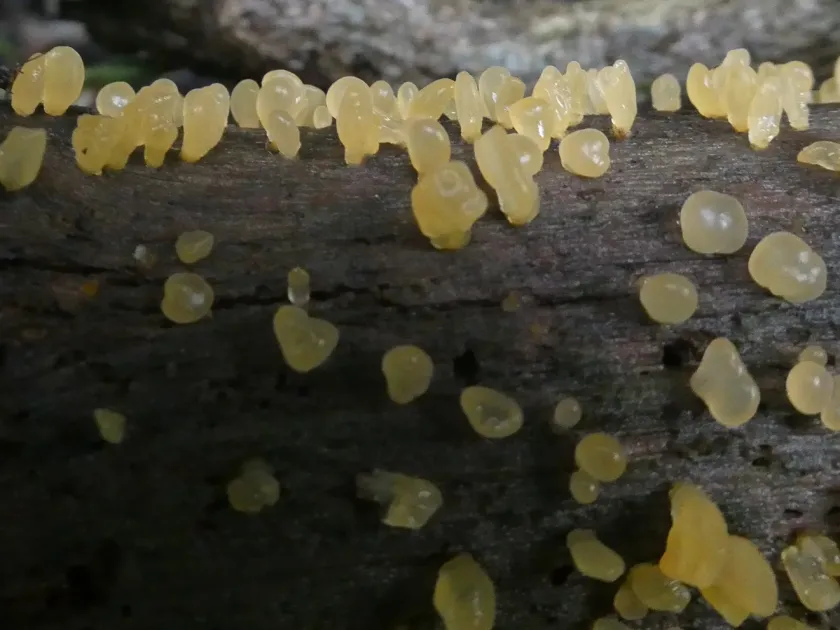
The most visible symptom of a Dasyscyphella infection is the presence of numerous minute cup-like fruiting bodies scattered on the bark of twigs and small branches.
Infected areas of the bark typically show signs of necrosis, appearing discolored, sunken, or cracked as the underlying tissues die off.
As the disease progresses, the twigs may show signs of premature wilting or yellowing, eventually leading to dieback of the affected parts.
The presence of fine, hair-like structures on the rims of the fungal cups can be observed under magnification, which is a key diagnostic feature for identification.
Advanced stages of the infection are characterized by the girdling of small branches, which cuts off the flow of nutrients and leads to their total desiccation.
Pathogen
The disease is caused by fungi belonging to the genus Dasyscyphella. These are small ascomycetes that produce distinctive, hairy, cup-shaped fruiting bodies known as apothecia.
These fungi often act as weak parasites or saprotrophs, primarily colonizing the bark and stems of trees that have been weakened by environmental stress or injury.
The pathogen reproduces via airborne spores that are dispersed over long distances, landing on suitable substrates to initiate new infection cycles.
The mycelium grows within the cortical tissues, slowly digesting the plant's structural materials and causing the eventual breakdown of the protective bark layers.
Biological studies indicate that the fungus thrives by exploiting the weakened defenses of a host, making it a opportunistic pathogen in various forestry and horticultural settings.
Conditions for development
The development of this fungal disease is highly dependent on cool, damp, and humid conditions, which favor spore germination and mycelial expansion.
Poor aeration in dense stands or crowded nurseries creates a moist microclimate, facilitating the rapid spread of the fungus among closely spaced plants.
Mechanical damage to the bark caused by pruning, animal activity, or severe weather creates entry points that the fungus can easily exploit.
Plants that are stressed due to nutrient deficiencies, poor soil structure, or water imbalance show a higher susceptibility to being colonized by this pathogen.
High relative humidity and frequent rainfall are the primary environmental drivers that trigger outbreaks of the disease in susceptible woody species.
Why it matters
The primary impact of the disease is the stunting of growth and the potential death of young branches or terminal shoots in woody plants.
For nursery owners, Dasyscyphella can cause significant economic losses by spoiling the quality of saplings and leading to high mortality rates.
The pathogen weakens the structural integrity of the stems, making them more prone to secondary attacks by wood-boring insects and other opportunists.
The aesthetic value of ornamental plants is severely diminished when branches die back and the bark becomes covered with fungal fruiting bodies.
Over time, recurring infections can significantly reduce the overall vigor and life expectancy of an affected tree or shrub population.
Protection
Strict sanitary practices are the most effective way to control the spread, including the prompt pruning and removal of all symptomatic branches.
Maintaining adequate spacing between plants is essential to ensure proper air circulation and reduce the humidity levels around the foliage and stems.
Fungicidal treatments can be applied as a preventive measure in nurseries, especially during periods of wet weather when spore dispersal is at its peak.
Improving the host plant's health through balanced fertilization and proper water management helps the plant build natural resistance to fungal invasion.
- Disinfect all pruning tools between plants to prevent cross-contamination.
- Collect and destroy all infected woody debris to eliminate local spore sources.
- Regularly inspect plants to detect and treat the initial stages of the infection.
Discussion
No discussions yet — be the first.