
Cyttaria gunnii
Cyttaria gunnii
Description
Symptoms
The most distinctive symptom of infection is the development of large, woody, and lumpy galls on the branches and main trunks of the host tree.
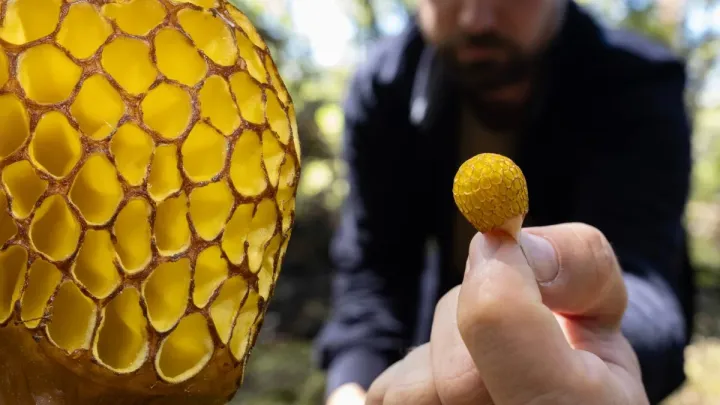
During the productive phase, the surface of these galls exhibits complex, honeycomb-like structures representing the fungal fruiting bodies.
The bark surrounding the affected area often shows signs of severe deformation and cracking due to the uncontrolled cell proliferation induced by the fungus.
Infected branches may appear distorted or swollen, reflecting the internal stress placed on the vascular system of the tree by the fungal colonies.
In advanced stages, the cumulative effect of multiple galls can lead to the visible decline of the tree's crown and overall vitality.
Pathogen
Cyttaria gunnii is an ascomycete fungus that acts as an obligate parasite on trees of the Nothofagus genus, commonly known as southern beech.
The fungus establishes a symbiotic-like parasitic relationship with its host, utilizing the tree's metabolic resources for its growth and sporulation.
Unlike many decomposers, this pathogen colonizes living tissues, specifically targeting the cambium to trigger the development of abnormal growths.
The life cycle of the fungus is characterized by the production of fruit bodies that emerge from the bark during specific seasonal conditions.
Genetic and morphological studies categorize this pathogen as highly specialized, restricted almost exclusively to its specific host tree species.
Conditions for development
Cyttaria gunnii thrives in cool, temperate, and consistently humid environments which are essential for spore germination and colonization.
High moisture levels, such as those provided by frequent rain or persistent fog, facilitate the movement and successful establishment of the pathogen.
Densely planted forests or poorly ventilated groves create an ideal microclimate for the rapid spread of the fungus among neighboring trees.
Mechanical damage to the bark, caused by weather events or animal activity, acts as a primary entry point for the fungal spores.
Optimal development usually occurs in regions where the host tree Nothofagus is dominant, allowing for efficient transmission of the disease.
Why it matters
The fungus negatively impacts the tree by diverting energy and nutrients away from normal growth toward the creation of useless fungal galls.
The weight and structural instability caused by massive galls increase the risk of branch failure during severe weather conditions.
Systemic weakness caused by the parasite makes the host tree significantly more susceptible to secondary attacks by insects and other pathogens.
Long-term infection disrupts the tree's sap flow, which can lead to localized wilting and eventually the death of heavily infested branches.
In a landscape context, the aesthetic and structural health of the trees is severely compromised, often necessitating the removal of affected specimens.
Protection
Proactive management primarily involves regular inspection of trees to detect and remove galls before they reach the sporulation stage.
Sanitary pruning should be performed using sterilized tools, ensuring that all infected wood is completely removed from the site.
Destroying the removed galls by burning or deep burial is crucial to preventing the release of spores that could infect healthy neighboring trees.
Maintaining the overall health of the trees through proper irrigation and soil care helps them develop a better natural defense against minor infestations.
While no chemical cure exists for systemic infections, good silvicultural practices help in minimizing the impact of the disease within a grove.
Discussion
No discussions yet — be the first.