
Cytospora canker
Cytospora pini
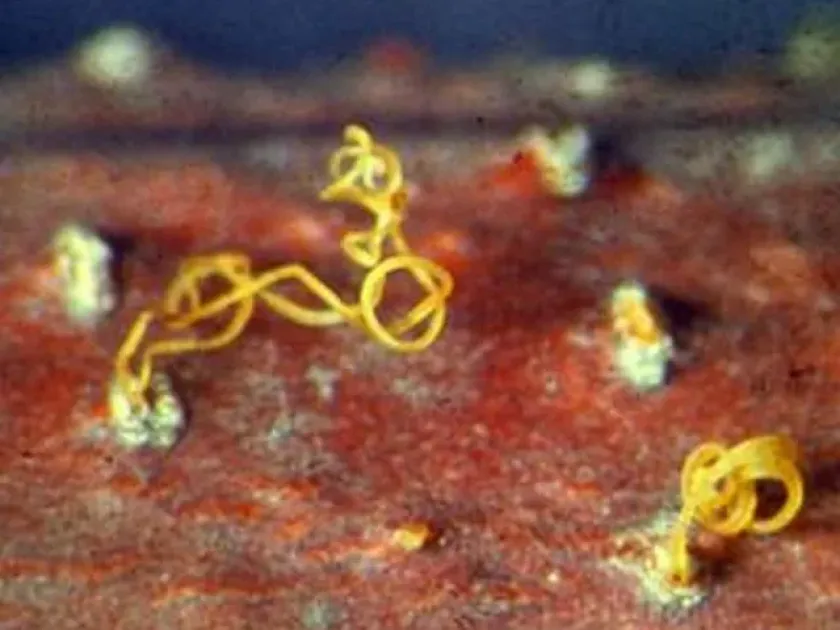
Description
Symptoms
The most noticeable symptom is the localized dying back of twigs and branches. The affected bark often becomes sunken, discolored, and may show small cracks.
Close inspection of the infected bark reveals the presence of tiny, pinhead-sized pimples, which are the fungal pycnidia. Under moist conditions, these structures exude orange or yellow spore tendrils.
Needles on affected branches typically yellow and then turn reddish-brown before dropping. This dieback usually begins on the lower, more shaded parts of the tree crown.
The wood beneath the infected bark frequently exhibits a greyish-brown discoloration, and sometimes a clear demarcation line between healthy and diseased tissue is visible.
Resin flow might occur near the site of infection, as the tree attempts to wall off the invading pathogen, though this is not always present in advanced stages of decay.
Pathogen
The disease is caused by the fungus Cytospora pini, a member of the Coelomycetes group. It is a well-known pathogen that primarily affects the bark tissues of pine species.
The fungus produces small, flask-shaped reproductive structures called pycnidia. These erupt through the bark, releasing large quantities of spores during periods of high humidity.
Dissemination occurs primarily via splashing rain, wind gusts, and insects. Once the spores land on a vulnerable area of the bark, the fungus begins to colonize the host tissue.
While often described as a opportunistic pathogen, Cytospora pini can be quite aggressive on trees that are already suffering from environmental stress or mechanical damage.
The fungus survives the winter within the diseased bark and in the stromata, making it a persistent resident in infested woodlands and orchards.
Conditions for development
Environmental stress is the primary driver of disease susceptibility. Drought, flooding, or poor soil fertility significantly weaken the tree's defense mechanisms.
Moisture is essential for the pathogen; extended periods of rainfall or high humidity facilitate the germination of spores and their penetration into the bark.
Mechanical injuries, such as frost cracks, sunscald, or wounds from pruning and pests, act as entry points for the fungal spores to colonize the tree.
Dense plantations with poor air circulation create a localized humid microclimate, which drastically increases the risk of infection and disease spread.
Seasonal factors, particularly early spring or late autumn when the tree's metabolic activity changes, are critical times when the host is most vulnerable to attack.
Why it matters
Cytospora canker causes significant structural damage to branches, leading to extensive dieback and potentially the death of the entire tree if the main stem is girdled.
The presence of the fungus weakens the tree, making it highly susceptible to secondary attacks by wood-boring insects, which often seal the fate of the host.
In ornamental and urban landscapes, the aesthetic loss is severe, as the tree loses its shape and vigor, eventually requiring complete removal.
In forestry, the disease can spread rapidly through a stand, causing substantial losses in wood quality and growth rate, and increasing the amount of fire-hazardous dead wood.
The build-up of inoculum in dead branches ensures that the disease remains a constant threat, creating a cycle of infection that is difficult to break without intervention.
Protection
The cornerstone of management is the rigorous pruning of all infected branches. Cuts should be made several centimeters below the visible lesion to ensure all fungal mycelium is removed.
Sterilizing pruning tools after each cut with 70% alcohol or a strong disinfectant is crucial to prevent the mechanical transmission of the pathogen to healthy branches.
Promoting overall tree vigor is essential; this includes proper fertilization, adequate watering during dry spells, and avoiding sites where the trees may be overly stressed.
Preventative fungicide applications, particularly copper-based sprays during the dormant season or early spring, can help protect susceptible bark tissues from spore colonization.
Regular monitoring of the plantation is vital. Early detection of cankers allows for targeted removal before the fungus can spread to the main trunk and compromise the tree's structure.
Discussion
No discussions yet — be the first.