
Cytospora canker
Cytospora intermedia
Description
Symptoms
Initial symptoms include the appearance of localized brown or reddish-brown sunken cankers on the bark of trunks and main branches.
As the disease progresses, small, pimple-like bumps (pycnidia) develop on the surface of the cankered area, releasing spores under high humidity conditions.
Leaves on infected branches often wilt, yellow, and turn brown, remaining attached to the tree for a period after the branch has effectively died.
The bark within the affected zone eventually peels away, revealing charred-looking, dark-brown, or blackish dead cambium and wood beneath.
In some stone fruit species, excessive gumming (gummosis) is commonly observed at the margins of the infected necrotic zones.
Pathogen
The disease is caused by the ascomycete fungus Cytospora intermedia, which acts as a facultative parasite targeting stressed or wounded trees.
The pathogen develops within the bark and cambium layers, producing pycnidia—small flask-shaped structures that serve as the primary source of inoculum for further spread.
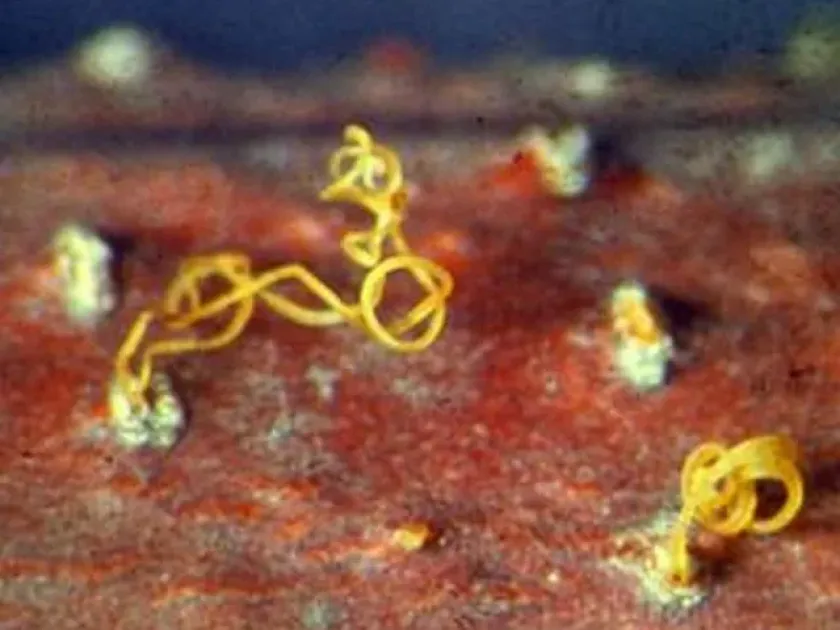
Spores are released during humid weather in the form of gelatinous masses or tendrils, which are then disseminated by rainwater splashes, wind, and insects.
The fungus is capable of surviving for several years within dead bark tissue and infected branches, making it a persistent threat in orchards.
Infection cycles are most intense during spring and autumn, as the fungus exploits seasonal changes in tree vitality to invade vulnerable vascular tissues.
Conditions for development
High relative humidity and moderate temperatures are the primary environmental drivers that facilitate the germination of fungal spores and infection.
Trees weakened by environmental stresses, such as severe winter cold, sunscald, or drought, are significantly more susceptible to Cytospora intermedia.
Poor orchard sanitation, including the presence of dead wood or unpruned branches, creates an ideal reservoir for the fungus to multiply and spread.
Mechanical injuries resulting from pruning, harvesting, or insect activity serve as critical entry points for the pathogen to establish colonies.
Low soil fertility and lack of proper irrigation reduce the tree's defensive capacity, allowing the fungus to colonize the wood more aggressively.
Why it matters
The disease is highly destructive as it interrupts the flow of water and nutrients, eventually leading to the death of affected branches or entire trees.
Cytospora canker severely impacts fruit yield, as the systemic nature of the infection rapidly kills productive bearing wood throughout the canopy.
Rapid spread of the fungus in an orchard necessitates costly and labor-intensive sanitation practices, often requiring the complete removal of infected specimens.
Infected trees suffer from reduced winter hardiness, making them highly vulnerable to secondary pathogens and further climate-related damage.
Economic losses are compounded by the need for premature replanting and the long-term struggle to maintain orchard health in infested areas.
Protection
Effective management begins with strict sanitation, including the removal of all infected branches well below the visible margins of the canker.
All pruning tools must be disinfected between cuts to prevent mechanical transmission of fungal spores from diseased to healthy wood.
Wounds should be promptly treated with protective wound dressings or antifungal pastes to prevent colonization by airborne spores.
Implementing a comprehensive nutrition and irrigation program is vital to maintain tree vigor and enhance natural resistance to fungal pathogens.
- Regular application of copper-based fungicides;
- Painting trunks to prevent sunscald and frost damage;
- Removing and destroying infected plant debris;
- Minimizing mechanical wounds during orchard operations.
Discussion
No discussions yet — be the first.