
Cytospora canker
Cytospora ceratosperma
Description
Symptoms
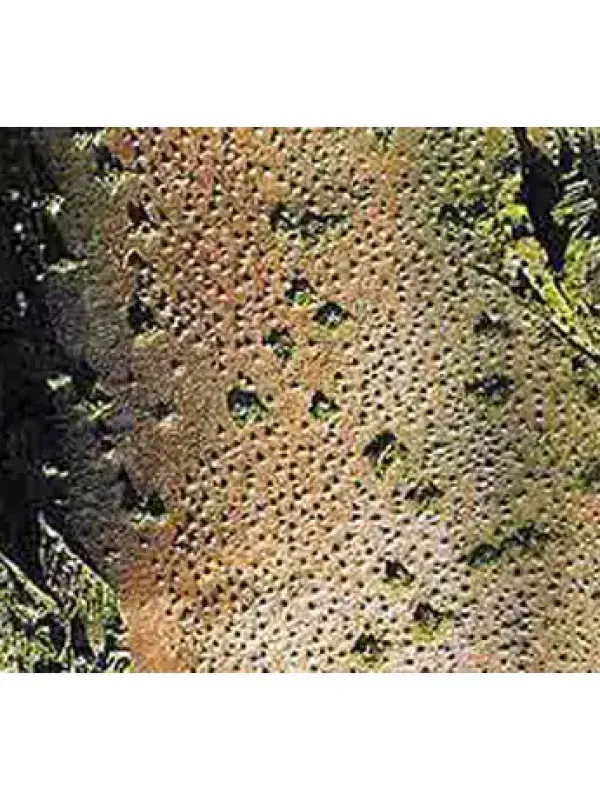
The primary symptom is the appearance of sunken, discolored cankers on the bark. The affected area often turns a reddish-brown or dark brown shade as the tissue dies.
Small, pinhead-sized black bumps, known as pycnidia, emerge through the dead bark. During humid conditions, these emit yellowish or orange tendrils of spores.
Unlike some other canker diseases, the infected bark remains tightly attached to the underlying wood rather than sloughing off in large sheets, although it becomes brittle.
Leaves on infected branches show early signs of yellowing and wilting, often hanging on the tree well into the season, creating a scorched appearance on the canopy.
Under the diseased bark, the wood turns dark and necrotic. In many species, gumming (exudation of sap) may occur at the margins of the canker as the tree tries to isolate the infection.
Pathogen
The causative agent of the disease is the fungus Cytospora ceratosperma, which primarily infects the bark and cambium of woody plants, causing necrotic tissue death.
The fungus overwinters as mycelium and pycnidia within infected bark. In spring and summer, spores are released and disseminated by splashing rain, wind, and insects.
The pathogen is a wound parasite, meaning it enters the tree exclusively through mechanical injuries, winter sunscald, pruning wounds, or pest feeding sites.
Once inside the tree, the mycelium colonizes the phloem and cambium, effectively girdling the branch and cutting off the supply of water and nutrients to the distal parts of the tree.
The fungus produces asexual spores (conidia) in pycnidia, which appear as small erupting bumps on the surface of the bark, facilitating the spread of the disease within the orchard.
Conditions for development
Tree stress is the most significant factor in the development of Cytospora ceratosperma. Drought, frost, and nutrient deficiencies severely weaken the tree's natural defense mechanisms.
High humidity and rainfall are essential for the release and germination of fungal spores. Wet springs provide the most favorable environment for the pathogen to spread.
Poor orchard hygiene, such as leaving dead wood on trees or failing to clean up debris, increases the inoculum pressure and the likelihood of new infections.
Crowded orchards with poor air circulation create microclimates where moisture persists on bark surfaces, allowing the fungus to infect wounds more easily.
Older or injured trees are significantly more susceptible than healthy, vigorous ones, as their ability to compartmentalize and heal wounds is greatly reduced.
Why it matters
Cytospora canker is a destructive disease that can lead to the death of entire branches or the complete collapse of a tree if the trunk is girdled by the infection.
The disease significantly reduces fruit yield and tree vigor, as the loss of functional xylem and phloem prevents the transport of necessary resources for fruit production.
It is difficult to eradicate once it reaches the main trunk, which often necessitates the removal and destruction of the entire tree to prevent further spread.
The economic impact on commercial orchards is substantial due to the need for increased maintenance, tree replacement costs, and the permanent loss of productive trees.
The spread of the disease via pruning tools makes it a persistent threat that requires strict sanitation protocols to manage effectively in any orchard setting.
Protection
Sanitation is the cornerstone of control. Prune infected branches several inches below the visible canker and ensure the cuts are made back into healthy, living wood.
All pruning tools must be sterilized between cuts with alcohol or a bleach solution to prevent the mechanical transmission of the pathogen to healthy branches.
Protecting trees from environmental stress, such as applying white latex paint to trunks to prevent sunscald, is a vital preventative measure against wound infection.
Apply copper-based fungicides during the dormant season and early spring to create a protective barrier on the bark against incoming spore loads.
- Maintain tree vigor through proper irrigation and balanced fertilization.
- Avoid over-pruning, which can create unnecessary entry points for the fungus.
- Remove and destroy all pruned, diseased wood immediately.
- Keep the orchard environment clean by removing dead fallen branches.
Discussion
No discussions yet — be the first.