
Cytidia
Cytidia
Description
Symptoms
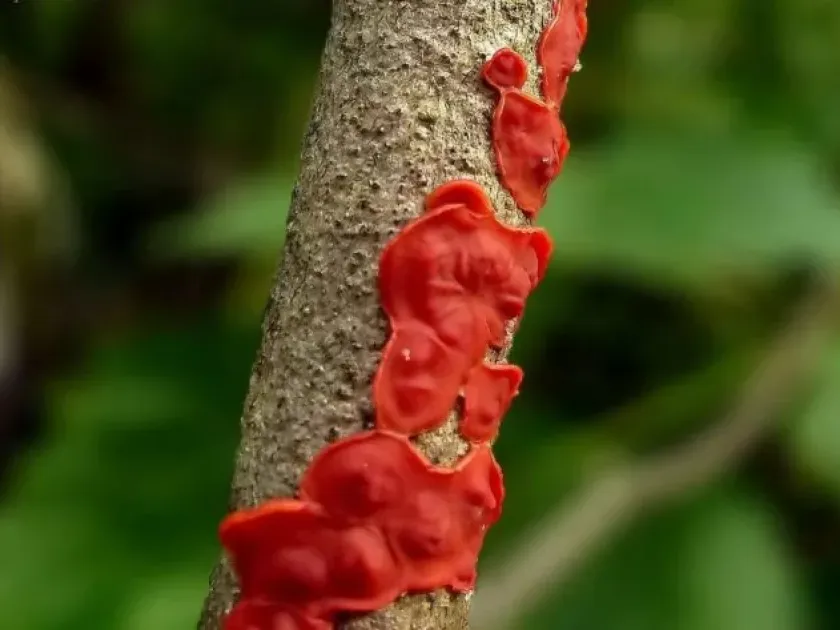
The primary symptom is the emergence of leathery or gelatinous fruit bodies on the bark, which are typically bright red, orange, or reddish-brown in color.
These fungal structures are often found in clusters, sometimes merging together to form extensive patches that adhere tightly to the surface of the branches or tree trunks.
During dry periods, the fruit bodies may shrivel and darken, becoming somewhat inconspicuous, but they regain their vibrant appearance and consistency when humidity increases.
The bark at the site of infection undergoes necrotic changes, often leading to cracking, flaking, or the exposure of underlying wood, which can become susceptible to secondary decay.
Affected trees may show signs of general decline, including foliage yellowing or premature wilting of specific branches as the localized damage compromises water and nutrient flow.
Pathogen
The disease is caused by fungi belonging to the genus Cytidia, with Cytidia salicina being the most prominent species. These organisms are classified as basidiomycetes that thrive on decaying or weakened woody tissue.
They predominantly exhibit a saprophytic lifestyle, colonizing the bark of deciduous trees, although they can behave as opportunistic pathogens under certain stressful conditions for the host.
The life cycle involves the production of distinct fruit bodies that develop on the surface of the bark during the growing season, specifically when moisture levels are sufficient.
The fungal mycelium invades the inner bark (phloem), gradually breaking down structural components such as lignin and cellulose, which disrupts the tree's internal transport system.
Dissemination occurs via spores, which are effectively dispersed by wind, splashing rain, or insects to colonize other susceptible parts of the garden or forest ecosystem.
Conditions for development
High relative humidity and frequent rainfall are the most critical environmental factors that promote the active growth of Cytidia fruit bodies and spore production.
The fungus readily colonizes weakened hosts, particularly those suffering from mechanical wounds, frost damage, or sunscald, which provide easy entry points into the inner tissues.
Poor orchard or garden management, specifically overcrowding and lack of proper crown thinning, increases the humidity around the bark and facilitates the spread of the pathogen.
Trees in poorly drained areas or regions with persistent mist and fog are significantly more prone to infection, as these environments maintain the required moisture for fungal development.
The fungus shows a specific affinity for certain species, notably willows, making them high-risk hosts when grown in conditions that limit their vigor and defense capabilities.
Why it matters
The primary impact of Cytidia is the gradual destruction of the bark, which can lead to the localized or systemic death of branches and overall tree decline.
Ongoing infection promotes wood decay within the affected branches, compromising their structural integrity and increasing the risk of breakage under stress or high winds.
Infected trees become less resilient to other environmental stressors and are more likely to attract secondary pests, further accelerating the process of branch dieback.
In ornamental and commercial settings, the presence of these conspicuous red fruit bodies ruins the aesthetic appeal and necessitates drastic pruning interventions.
If left unmanaged, the pathogen acts as an indicator of an unhealthy tree, often leading to the eventual loss of the plant if the underlying stress factors are not addressed.
Protection
Sanitation is the most effective management strategy, requiring regular inspection and the immediate removal of all branches showing signs of fungal colonization.
Collected infected materials should be disposed of properly, preferably by burning or burying far from the garden, to eliminate the local source of fungal spores.
All pruning cuts should be sealed with appropriate wound dressings or antiseptic pastes to prevent new spores from infiltrating the exposed living tissues of the tree.
Cultural practices should focus on maintaining tree vigor through balanced fertilization and proper irrigation, as healthy trees possess better natural defense mechanisms.
Preventive application of copper-based fungicides during the dormant season can help protect susceptible trees by reducing the baseline fungal inoculum in the environment.
Discussion
No discussions yet — be the first.