
Cystobasidiomycetes
Cystobasidiomycetes
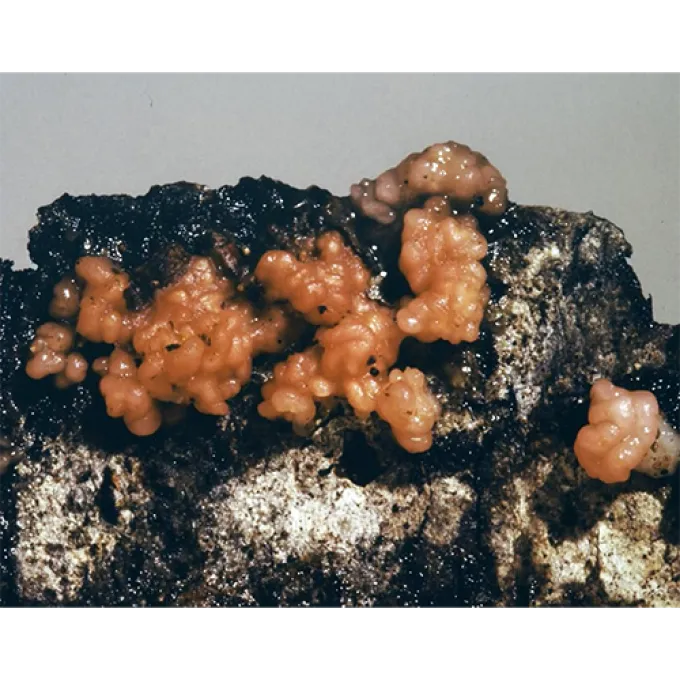
Description
Symptoms
Initial symptoms frequently present as chlorotic (yellowish) lesions on leaves. As the infection progresses, these spots expand, often changing color to brown, dark gray, or black due to the formation of necrotic tissue and accumulation of fungal spores.
A distinctive feature of many Cystobasidiomycetes infections is the presence of a powdery or slimy surface layer on the lesions. This layer consists of the pathogen's reproductive structures, which are typically visible under high humidity and are crucial for disease spread.
Leaves affected by these fungi often show signs of premature senescence, wilting, or distortion. In severe cases, the entire leaf surface may become covered in necrotic patches, leading to early defoliation and a significant reduction in the plant's total photosynthetic area.
In some crops, the pathogen can penetrate the vascular system, leading to browning of the stems and petioles. This blockage of water and nutrient transport causes the plant to wilt even when soil moisture levels are adequate, often misidentified as drought stress.
- Chlorotic and necrotic leaf spotting.
- Visible fungal sporulation (powdery or slimy layer).
- Premature leaf drop and wilting.
- Stunted plant growth and vascular discoloration.
Pathogen
Cystobasidiomycetes is a significant class of basidiomycete fungi belonging to the subphylum Pucciniomycotina. While many species within this group live as saprotrophs, others are recognized as plant pathogens, causing various diseases in economically important crops.
These fungi are characterized by a dimorphic lifecycle, often alternating between yeast-like and filamentous growth forms. This biological flexibility allows them to persist in diverse environmental conditions, effectively colonizing both leaf surfaces and decaying organic matter in the soil.
In a phytopathological context, these organisms are often involved in the development of necrotic spots, rust-like symptoms, and generalized blights. They utilize specialized structures to penetrate the host epidermis, eventually invading intercellular spaces to extract nutrients.
The taxonomic complexity of Cystobasidiomycetes means that many species were formerly classified as imperfect fungi (Deuteromycetes). Recent genomic research has confirmed their role as opportunistic pathogens capable of adapting to a wide range of host plants, including cereals and vegetables.
Infection cycles usually begin when spores (basidiospores or conidia) are dispersed by wind or water splash. Once they land on a susceptible host under favorable conditions, the fungi germinate and begin the colonization process, often leading to systemic or localized damage.
Conditions for development
The development of disease caused by Cystobasidiomycetes is strictly dependent on moisture availability. High relative humidity (frequently above 85%) and leaf wetness are essential for spore germination and successful host penetration.
Temperatures ranging from 15°C to 22°C (roughly 59°F to 72°F) provide the optimal environment for mycelial growth and sporulation. Consequently, regions with mild, rainy springs and early summers are highly susceptible to outbreaks of these fungal diseases.
Dense planting patterns reduce air circulation, creating a stagnant microclimate where moisture persists on foliage for extended periods. This lack of airflow and increased humidity creates an ideal environment for the rapid spread of the pathogen within the crop canopy.
Primary inoculum is usually provided by overwintering structures or mycelium residing on crop debris. Once the first plants are infected, the disease can spread rapidly via wind and rain splashes, reaching epidemic proportions if left unmanaged.
Cultural practices that lead to plant stress, such as excessive nitrogen fertilization or improper irrigation, can exacerbate disease severity. Over-fertilized crops often have softer tissues, making them more vulnerable to penetration by the fungal hyphae.
Why it matters
The primary harm caused by these pathogens is the substantial reduction in yield potential. By disrupting photosynthesis and nutrient uptake, the fungi prevent the plant from producing high-quality grains, fruits, or vegetables, leading to severe economic losses.
Infection significantly impacts the aesthetic value and marketability of fresh produce. Necrotic spots and fungal growth on the surface of fruits or leaves make the products unsuitable for commercial sale, especially in the premium produce market.
The presence of these fungi often leads to storage problems. Infected tissues are more prone to secondary rot caused by opportunistic bacteria and other fungi, which can destroy large quantities of produce during transit and warehouse storage.
Some species within the class have the potential to produce mycotoxins, which can render the crop unsuitable for human consumption or animal feed. This introduces significant health risks and may require the disposal of the entire harvest, causing major financial impact.
Weakened plants are far less resilient to environmental stressors such as drought, extreme heat, or secondary pest attacks. This chain reaction often leads to a rapid decline in crop quality and health across entire field plots.
Protection
Crop rotation is the first line of defense against Cystobasidiomycetes. By avoiding the cultivation of susceptible host species in consecutive years, growers can effectively reduce the primary inoculum load in the soil and disrupt the fungal lifecycle.
Starting with high-quality, disease-free seed is crucial. Many seed treatments, including modern broad-spectrum fungicides, provide essential protection against soil-borne spores, ensuring that seedlings remain healthy during the most vulnerable early stages of development.
Managing the crop microclimate through proper spacing and weed control is essential for prevention. Ensuring adequate airflow and minimizing leaf wetness time significantly decreases the probability of successful fungal infection and secondary spread.
Chemical control involving timely application of systemic or contact fungicides is often necessary during epidemic years. To maintain efficacy and prevent the development of resistant fungal strains, it is recommended to rotate fungicides with different modes of action.
Biological control agents, such as beneficial bacteria or competitive fungi, are increasingly used in integrated disease management programs. These methods help suppress pathogen activity while promoting a healthier and more sustainable crop production system.
Discussion
No discussions yet — be the first.