
Cuniculitremaceae
Cuniculitremaceae
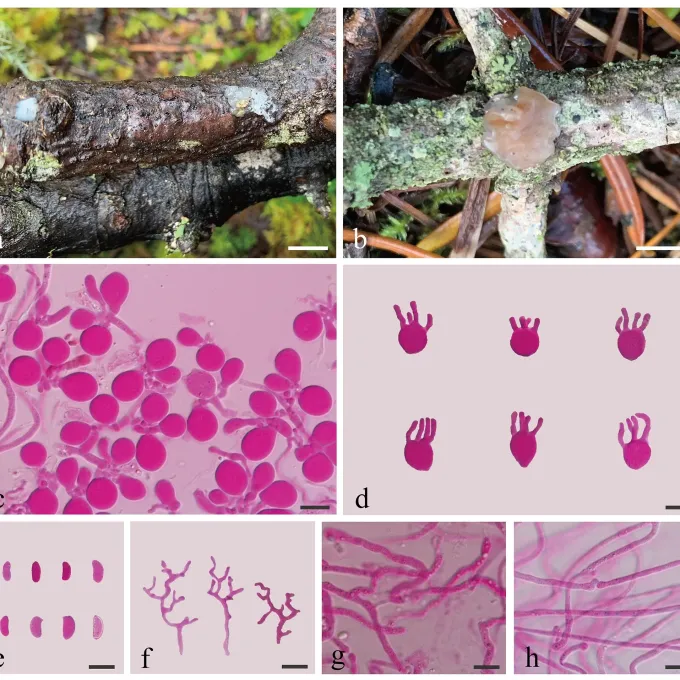
Description
Symptoms
Visible symptoms often begin as localized discoloration of the bark, which may appear darkened or slightly sunken. In many cases, the internal degradation of the wood occurs before any external signs become apparent.
Necrotic lesions frequently develop at the point of infection. As the fungus breaks down the plant tissue, the area may become soft or, conversely, brittle, leading to the cracking of the protective outer layers.
The emergence of small, often gelatinous or crust-like fruiting bodies on the bark surface is a key indicator of advanced infection. This is the stage when the fungus produces spores for further dissemination.
Affected trees typically exhibit reduced vigor, characterized by stunted shoot growth and premature leaf drop. The disruption of vascular function prevents the efficient transport of water and nutrients throughout the plant.
In severe cases, the infected limbs may die back entirely. The foliage on these branches wilts and changes color, providing a clear visual cue for the presence of a localized infection point that requires intervention.
Pathogen
Cuniculitremaceae is a family of basidiomycete fungi belonging to the Tremellales order. These microscopic organisms are primarily associated with the decomposition of woody substrates and complex organic matter in forest ecosystems.
The primary pathogenic agents within this family belong to the Cuniculitrema genus. They reproduce via basidiospores that are effectively dispersed by wind, allowing for significant spread across agricultural and forest environments.
These fungi often act as opportunistic pathogens or saprotrophs, colonizing damaged plant tissues. Once established, the mycelium penetrates the bark and cambium layers, initiating degradation of the structural components of the tree.
The biological cycle of these fungi is highly dependent on humidity levels. They require specific moisture conditions to germinate and successfully colonize the host, often remaining dormant within the substrate during dry spells.
Ongoing molecular research continues to clarify the taxonomy of this family. Understanding their specific genetic traits allows agronomists and pathologists to better monitor their activity and assess the risk to different crop varieties.
Conditions for development
The development of Cuniculitremaceae is favored by high humidity and moderate temperatures. Environments with poor air circulation, such as dense plantations, are particularly conducive to fungal colonization.
Wounds and mechanical damage are the primary entry points for spores. Pruning cuts, hail damage, or insect activity on the bark surface create the perfect environment for the fungus to bypass the plant's natural defenses.
Stress factors such as drought or nutrient deficiency significantly increase a plant's susceptibility to infection. Healthy plants possess active defense mechanisms that can effectively inhibit the development of the fungal mycelium.
Seasonal fluctuations in weather play a crucial role in disease spread. Prolonged periods of rainfall create a surface film of water on bark, which is essential for the germination of basidiospores and their subsequent penetration into the host.
Improperly managed sites with high levels of leaf litter and dead wood provide an ideal reservoir for the fungus to persist from one season to the next, increasing the risk of recurring outbreaks.
Why it matters
The primary harm caused by Cuniculitremaceae is the degradation of the vascular system, which hinders the tree's ability to maintain hydration. This leads to the eventual death of branches and can jeopardize the entire tree.
Structural integrity is significantly compromised as the fungus decomposes wood. This weakness increases the risk of trees snapping under the pressure of wind or heavy snow, leading to physical damage in orchards.
Infection by these fungi often predisposes the plant to secondary invasions by other pathogens. The weakened tissue becomes an entry point for bacteria and other fungi that accelerate the plant's decline.
The economic impact is notable in nurseries and orchards, where crop loss and the labor costs associated with sanitation and tree replacement can be substantial. Early detection is often the only way to minimize financial losses.
Persistent presence of the pathogen in a plantation complicates crop management. It necessitates continuous monitoring and strict adherence to sanitary protocols to prevent the infection from spreading across the entire property.
Protection
Sanitation is the cornerstone of control. Removing and destroying infected plant material through burning or deep burial is essential to reduce the local spore load and prevent further spread within the plantation.
Maintaining optimal tree vigor through balanced nutrition and irrigation is a key preventive strategy. A resilient plant is much better equipped to compartmentalize wounds and resist fungal invasion.
Applying protective wound dressings to pruning cuts or injuries is vital. These barriers prevent spores from settling on exposed tissue and entering the vascular system of the tree.
Chemical control involving broad-spectrum fungicides may be employed in high-risk areas. Timing is critical, with applications most effective when environmental conditions favor fungal development.
- Strict sterilization of pruning tools between each plant.
- Implementation of proper pruning to improve air circulation and sunlight exposure.
- Regular monitoring for pests that cause bark damage.
- Disposal of infected wood debris away from healthy trees to isolate the source.
Discussion
No discussions yet — be the first.