
Cryptodiscus disease
Cryptodiscus rhopaloides
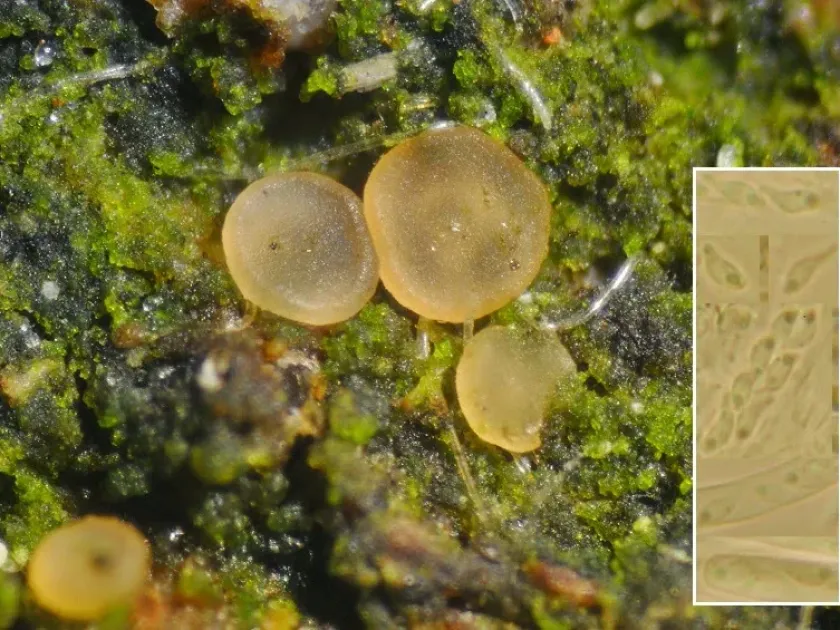
Description
Symptoms
The primary symptom is the development of localized necrotic lesions on the surface of the bark, which may be irregular in shape.
As the infection progresses, the affected bark tissue dries out, turns brownish, and develops longitudinal cracks or fissures.
Small, light-colored fruiting bodies characteristic of the pathogen appear on the infected bark surface, often occurring in clusters.
Foliage on the symptomatic branches frequently exhibits signs of chlorosis, followed by wilting and premature leaf drop.
In advanced stages, branches may die back completely, eventually leading to structural damage and decline of the entire host tree.
Pathogen
The causal agent of this disease is the ascomycete fungus Cryptodiscus rhopaloides, which primarily targets the bark tissues of woody plants.
The fungus acts as a facultative parasite, meaning it often colonizes plants that are already stressed by environmental factors or mechanical injuries.
Its life cycle involves the production of apothecia, which emerge through the periderm of infected branches during favorable conditions.
Spores are dispersed by wind and rain splashing, facilitating the spread of the disease within close-spaced plant populations or nurseries.
The mycelium penetrates the outer layers of the bark and gradually advances into the inner tissues, impairing the tree's vascular transport system.
Conditions for development
High humidity levels are the most critical factor for the rapid growth of the fungus and the subsequent colonization of host tissues.
Poor ventilation within dense forest stands or densely packed nursery containers creates a microclimate conducive to infection spread.
Mechanical damage caused by maintenance equipment, pests, or abiotic factors like winter sunscald provides easy entry points for the fungus.
General stress on the tree caused by drought, poor soil quality, or nutrient deficiencies increases susceptibility to the pathogen.
Optimal development usually occurs during mild and wet conditions, typical of spring and autumn seasons.
Why it matters
The disease poses a significant risk to young saplings, as girdling necrosis can quickly lead to plant mortality.
Long-term infections weaken the tree's overall structure, making it more susceptible to secondary wood-decay fungi and insect infestations.
Economic impact is particularly high in commercial nurseries, where diseased stock must be discarded to prevent the spread of the infection.
The loss of branches reduces the aesthetic and commercial value of ornamental trees and complicates forest management goals.
Persistent presence of the fungus in the area creates a continuous source of inoculum, endangering nearby healthy trees.
Protection
Sanitation is the most effective control strategy, requiring the prompt pruning and destruction of all symptomatic branch material.
Pruning tools must be disinfected after every cut to avoid cross-contamination between infected and healthy trees.
Proper wound care, including the application of fungicides or sealants to pruning cuts, can prevent new infections from taking hold.
Maintaining optimal tree vigor through balanced fertilization and appropriate irrigation helps plants naturally resist the disease.
- Strict adherence to sanitation protocols.
- Periodic preventive copper-based fungicide applications.
- Regular inspection of bark for early necrotic signs.
Discussion
No discussions yet — be the first.