
Cryptodiscus pallidus
Cryptodiscus pallidus
Description
Symptoms
The primary symptom of Cryptodiscus pallidus infection is a noticeable discoloration of the bark, which turns pale or grayish. Over time, the affected bark begins to crack, exposing the inner layers of the wood.
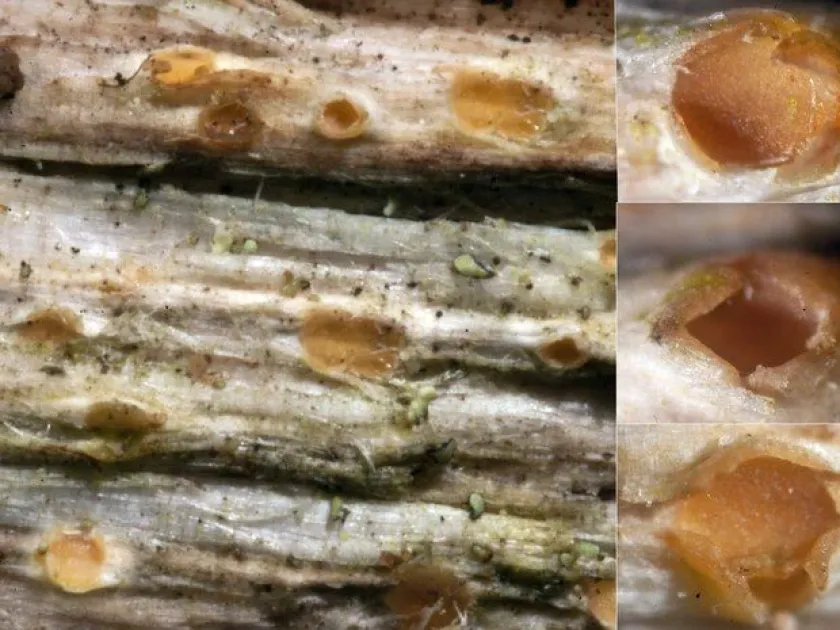
A definitive diagnostic sign is the presence of small, yellowish or whitish apothecia that erupt through the epidermis. These small, disc-shaped fruiting bodies often appear in clusters within the necrotic areas.
As the infection progresses, sunken necrotic lesions form around the areas of fungal growth. The internal tissues may show signs of decay, which eventually leads to the death of affected branches or parts of the trunk.
Affected branches often exhibit symptoms such as premature yellowing and leaf shedding. Over time, the affected branch dries out completely, significantly impacting the tree's health and aesthetic value.
- Pale, discolored patches on the bark.
- Presence of yellowish, disc-shaped apothecia.
- Cracking and peeling of the bark.
- Dieback of branches and crown thinning.
Pathogen
Cryptodiscus pallidus is a fungal disease caused by an ascomycete fungus belonging to the order Helotiales. It typically acts as a facultative parasite, primarily colonizing weakened or damaged woody tissues of deciduous trees.
The life cycle of the pathogen is closely associated with dead or dying bark. The fungus produces small fruiting bodies called apothecia, which emerge through cracks in the bark and serve as the primary source of spore dispersal.
Infection occurs when spores are transmitted via wind, rainwater, or insect vectors. Upon landing on injured bark, the spores germinate, and the mycelium begins to colonize and degrade the underlying tissues.
The mycelium of the fungus penetrates the bark and cambium, effectively disrupting the vital physiological functions of the tree. This process often transitions from saprotrophic feeding to active parasitism as the tissue dies.
This pathogen is commonly found in forest stands and orchards, specifically targeting various deciduous species. Its biological activity is significant in the context of necrotic bark diseases.
Conditions for development
The development of Cryptodiscus pallidus is highly dependent on environmental humidity. Periods of high moisture are conducive to spore germination and the rapid spread of the fungus throughout a stand.
Trees that are weakened by environmental stress, such as drought, frost damage, or pest infestations, are significantly more susceptible to infection. Mechanical wounds on the bark serve as primary entry points for the pathogen.
Dense planting configurations that restrict air circulation create a microclimate favorable to fungal growth. In such areas, the risk of infection spread is considerably higher than in well-ventilated settings.
Temperatures ranging between +15 and +25 degrees Celsius are optimal for mycelial growth. During this period, the life cycle of the fungus is accelerated, leading to a higher rate of tissue colonization.
The fungus overwinters as mycelium within the infected bark tissues or as fruiting bodies. With the onset of warmer spring weather, it resumes activity and begins the next round of spore production.
Why it matters
The primary damage caused by this disease is the disruption of the vascular system, specifically the cambium. When the infection encircles a branch, it effectively girdles it, resulting in the death of the distal tissue.
If the infection spreads to the main trunk, it significantly weakens the tree's overall vigor. This makes the plant less resilient to further stress, including cold winters and secondary opportunistic pathogens.
In orchards and tree nurseries, the economic impact is significant due to the loss of product quality and the need for costly removal of infected plants. It can render young trees unsalable or unproductive.
Infected trees act as constant reservoirs for inoculum, threatening nearby healthy plants. The gradual degradation of the tree canopy can eventually lead to the loss of the entire specimen if left untreated.
Often, Cryptodiscus pallidus is involved in a complex with other bark-infecting fungi, which accelerates the decline of the tree. Systematic monitoring is essential to prevent large-scale outbreaks.
Protection
The cornerstone of control is strict sanitation, including the pruning of infected branches. It is crucial to cut well into the healthy tissue and to dispose of all infected material by burning to destroy the spores.
Disinfecting pruning tools after working on each tree is mandatory to prevent the mechanical transmission of fungal spores. Regular maintenance of tools ensures that the disease does not spread across the orchard.
Maintaining tree vigor through proper fertilization, adequate watering, and mulch management is essential. Robust trees have better natural defenses against opportunistic bark pathogens.
Preventive fungicide treatments, particularly those containing copper, should be applied before the growing season. This creates a chemical barrier on the bark, preventing spore colonization.
Whitewashing the trunk and lower scaffold branches can help protect the bark from physical stressors like sunscald, which otherwise facilitates fungal entry. Regular inspections are necessary for early detection.
Discussion
No discussions yet — be the first.